Short Answer
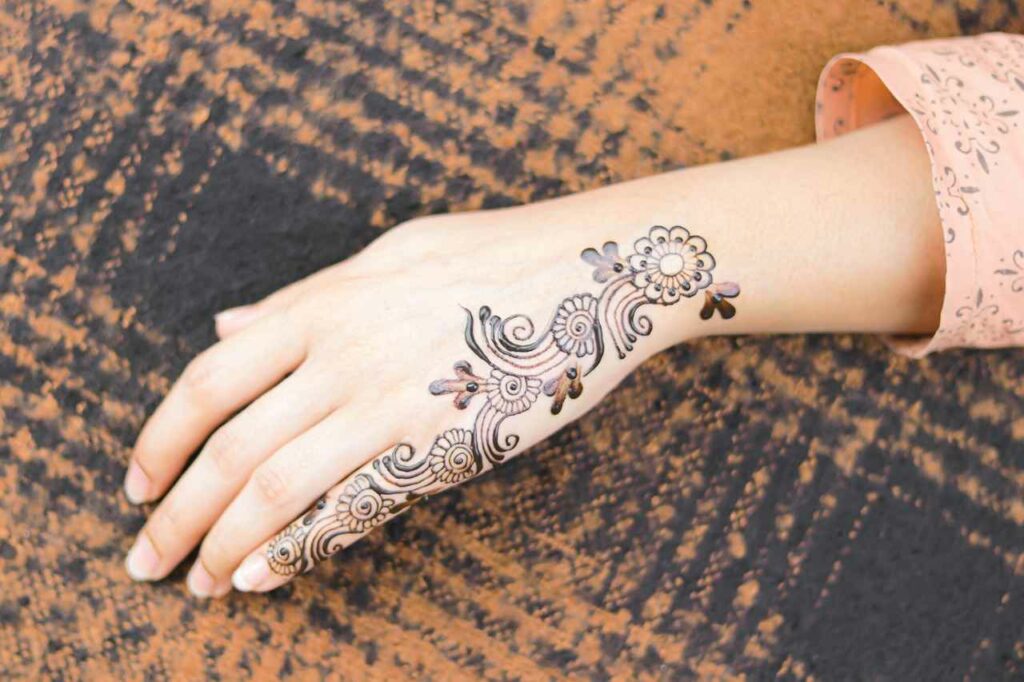
Henna, a natural dye derived from the leaves of the Lawsonia inermis plant, has been captivating individuals across cultures for centuries. It’s renowned not only for its striking appearance but also for its intricate role in various cultural rituals and personal expressions. A key aspect of the henna application process is understanding the drying time. Knowing how long it takes for henna to dry can significantly enhance the quality of the design and ensure a more vivid stain. This article delves into the factors influencing henna drying time and offers essential care tips for achieving the best results.
Understanding Henna Drying Time
The drying time for henna can vary widely based on several factors including climate, humidity, and the thickness of the applied paste. Generally, the henna paste will take about 30 minutes to 2 hours to dry completely. However, it’s crucial to acknowledge that while the surface may feel dry, the dye may still be penetrating the skin beneath. This is why timing is pivotal in achieving the desired intensity of the stain.
Initially, the henna paste appears dark green or brown, and as it dries, it transforms to a lighter, almost powdery texture. It is important to refrain from smudging or disturbing the paste during the drying process, as doing so can compromise the final design. Observing the drying process and understanding its nuances can enhance not only the outcome but also deepen the appreciation for this beautiful art form.
Factors Influencing Drying Time
The environmental conditions play a crucial role in the drying time of henna. In hotter, drier climates, the henna tends to dry faster, sometimes within 30 minutes. Conversely, in humid or cool conditions, the paste may take significantly longer, stretching to 2 hours or more. This variability can be frustrating for novices but indicates the natural characteristics of henna.
Another aspect to consider is the consistency and application technique of the henna paste. A thicker application will naturally require more time to dry compared to a thin layer. Additionally, the method of application—whether using a cone, brush, or a spatula—can influence the thickness and, subsequently, the drying duration. Therefore, those familiarising themselves with henna should experiment with various methods to find a balance that works best for their desired results.
Optimal Drying and Setting Techniques
While patience is crucial during the drying process, a few strategies can be employed to ensure optimal results. Firstly, it’s advisable to apply henna in a well-ventilated area. Fresh air circulation aids in quicker drying and prevents the paste from becoming overly moist. Additionally, avoiding direct sunlight is wise, as excessive heat can lead to cracking and an uneven texture.
After the henna has sufficiently dried, leaving it on the skin for several hours is paramount. For maximum colour payoff, it is often recommended to keep henna on for at least 6 to 12 hours. Many individuals choose to apply henna in the evening and sleep with it overnight, allowing ample time for the dye to bond with the skin.
When it comes to sealing the dried henna, there are various methods to consider. A light application of sugar and lemon juice can create a moisture-retentive barrier, encouraging a deeper stain. The mixture should be gently applied over the dried henna, rehydrating the paste without disturbing the intricate designs.
Aftercare: Preserving Colour and Longevity
Post-drying care significantly influences the longevity and vibrancy of the henna stain. Once the paste is removed, it is essential to keep the skin moisturised but avoid water contact as much as possible during the first 24 hours. Using a natural oil—such as coconut oil or olive oil—can help nourish the skin and retain the colour.
Furthermore, avoiding activities that promote sweating, like intense exercise or hot baths, can prolong the life of the henna stain. If exposure to chlorinated water is inevitable, consider applying a protective layer of oil before swimming. This diligent care can prevent premature fading and maintain the richness of the stain.
The Fascination with Henna
The allure of henna goes beyond aesthetic appreciation. It is deeply embedded in cultural significance, celebrated during weddings, festivals, and other milestones. The process of applying henna becomes a communal event, often accompanied by laughter, music, and shared stories. This rich tapestry of tradition only enhances the fascination surrounding the art form.
Moreover, individuals often find themselves drawn to the mystery of henna, the way it transforms not just the surface of the skin but also the wearer’s sense of self. It’s a temporary mark that evokes a range of sentiments—from celebration to personal reflection, making each application unique and worthwhile.
Conclusion
In understanding how long it takes for henna to dry and the factors that contribute to this process, one’s approach to henna application evolves. Beyond mere timing, the practice offers a deeper connection to culture, art, and self-expression. With the right techniques and care, henna can become a stunning emblem of creativity and tradition, one that lingers beautifully on the skin long after the paste has dried.
FAQ
How long does henna take to dry?
Henna typically takes between 30 minutes to 2 hours to dry completely, depending on environmental factors.
What factors affect henna drying time?
Factors include climate, humidity, and the thickness of the henna paste application.
How can I enhance the color of my henna stain?
Keep the henna on for 6 to 12 hours and use a mixture of sugar and lemon juice to seal it.



Leave a Reply