Short Answer
The journey to achieving a flawless smile often begins with a single question: how long do aligners take to work? This inquiry resonates with many seeking to enhance their dental aesthetics while benefitting from the practicality of Invisalign’s transparent braces. The timeline of treatment can vary significantly, elucidating a diverse array of individual factors that contribute to the overall duration and effectiveness of aligner therapy.
At the heart of this matter lies a blend of anticipation and anxious curiosity. Many individuals find themselves captivated by the prospect of transformative dental care, eagerly pondering how soon they might unveil their newfound confidence through straightened teeth. This fascination often extends beyond mere appearance; it reflects a deeper yearning for self-improvement and the psychological benefits associated with a radiant smile. Therefore, understanding the timeline for aligner efficacy is not just about the transformation of teeth but also the ushering in of a more assured self-image.
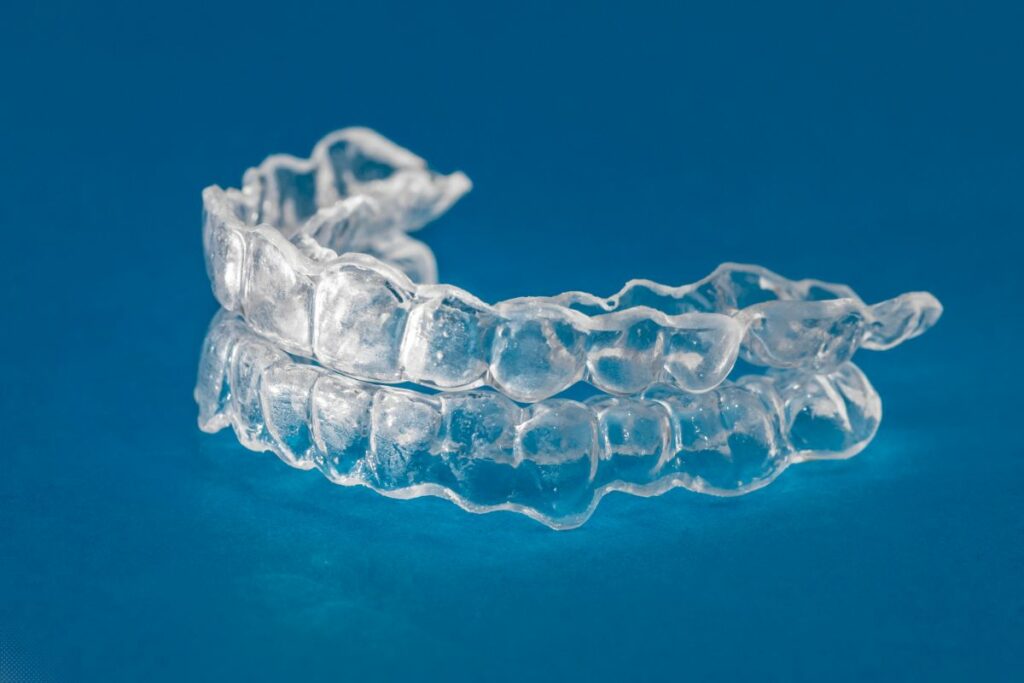
Before delving into specific timelines, it is imperative to grasp the mechanics by which Invisalign operates. Unlike traditional metal braces, which utilise brackets and wires to slowly shift teeth, aligners are custom-made trays designed to fit snugly over the teeth. They exert precise pressure to guide teeth to their desired positions over time. This innovative system hinges not only on technology but also on the patient’s commitment to wear the aligners for the prescribed duration each day.
Typically, the average length of Invisalign treatment fluctuates between 12 to 18 months. However, this is merely a ballpark figure. Individual outcomes can vary based on several factors:
- Severity of Dental Misalignment: For those experiencing minor spacing or crowding issues, treatment may conclude in a mere six months. Conversely, complex cases involving significant overbites, underbites, or jaw alignment issues can extend the duration well beyond 18 months.
- Age: Age can influence treatment times. Younger patients often have bones that are still developing, which may facilitate faster movement of teeth, while adults may require longer periods due to increased bone density.
- Patient Compliance: A vital determinant of treatment success hinges on how consistently patients adhere to wearing their aligners. The recommended duration is 20 to 22 hours each day. Failure to comply can lead to delays, necessitating extended timelines for optimal results.
- Frequency of Checkups: Regular appointments with an orthodontist are crucial to monitor progress and make necessary adjustments. Those who attend these checkups as scheduled can often expect smoother and potentially quicker treatments.
Once individuals embark on their Invisalign journey, they can expect a meticulously structured timeline. The initial consultation typically involves digital scanning of the mouth to create a 3D model. From this model, a series of aligners is crafted, each designed to be worn for approximately two weeks. During this period, aligners should be changed as instructed, with follow-up appointments scheduled every six to eight weeks for monitoring progress and ensuring that teeth are moving as intended.
After the first set of aligners is introduced, many patients report a feeling of slight discomfort or pressure. This is a signal that the aligners are working effectively, gently nudging the teeth into their designated places. Each subsequent aligner builds upon the work of the previous one, gradually progressing the treatment. The anticipation of seeing results creates a sense of engagement and excitement, fuelling a positive attitude toward compliance.
A pivotal point within the timeline comes after approximately six months of consistent wear. At this juncture, many patients begin to observe tangible transformations in their smile. With the prospect of visible change, motivation typically heightens, further solidifying adherence to treatment guidelines. This phase often features exciting milestones, including the strategic switching of aligners, which not only signifies progress but also allows for re-evaluation with the orthodontist to fine-tune the treatment plan if necessary.
As treatment proceeds, individuals often engage in discussions around the next logical steps towards completion. For some, this may entail additional enhancements, such as attachments on specific teeth to facilitate a more complex movement. Each treatment pathway is meticulously tailored to the patient, ensuring a bespoke experience that considers not only aesthetic desires but also functional requirements.
Upon nearing the end of the estimated treatment period, the final assessment with the orthodontist becomes crucial. This evaluation not only confirms that teeth have successfully aligned but also initiates discussions regarding retention. Retainers are critical to maintaining these hard-earned results. The final phase underscores that while the journey may feel like it is drawing to a close, the habits and practices adopted throughout treatment must continue to be nurtured.
In Conclusion, understanding the timeline of aligner therapy necessitates recognition of a plethora of individual factors. From the severity of misalignment to patient compliance, each element plays a crucial role in determining the duration of treatment. Ultimately, the anticipation of a dazzling smile fuels the patience required throughout this transformative journey. With diligence, consistency, and regular engagement with dental professionals, achieving that dream smile is not only attainable—it becomes an inspiring reality.
FAQ
How long does Invisalign treatment typically take?
Invisalign treatment usually takes between 12 to 18 months, but this can vary based on individual factors.
What factors influence the duration of Invisalign treatment?
Factors include the severity of dental misalignment, age, patient compliance, and frequency of orthodontic checkups.
How often should I change my Invisalign aligners?
Aligners should typically be changed every two weeks, as instructed by your orthodontist.

Leave a Reply