Short Answer
The passing of a loved one can be an emotionally tumultuous period, fraught with grief, reflection, and an array of responsibilities left behind. Among these responsibilities, one significant task is understanding the probate process and the timing associated with the reading of the will. If you find yourself grappling with the question, “How long after someone dies is the will read?” you are not alone. This inquiry delves into a nuanced arena involving both legalities and cultural expectations.
The probate timeline varies considerably depending on several factors, including the jurisdiction, the complexity of the estate, and the relationship dynamics among the heirs. Let’s embark on a detailed exploration of the intricate panorama surrounding the probate process and the timing of will readings.
Understanding Probate
Before delving into the timelines, it’s essential to grasp what probate entails. Probate is the legal process through which a deceased’s will is validated, and their assets are distributed. The term ‘probate’ stems from the Latin word ‘probare’, which means ‘to prove’. In essence, the court verifies the authenticity of the will in question, ensuring that the deceased’s wishes are honoured.
After a person has passed away, their estate does not automatically transfer to beneficiaries. Instead, it undergoes probate, where various tasks are performed, from settling debts to distributing assets. Understanding the sequence of these events helps demystify the aftermath of bereavement.
Immediate Steps Following Death
The onset of the probate process begins with some immediate, yet often overlooked, actions that occur within the first few days following death. Often, the first step is to obtain a death certificate—this document serves as an essential legal instrument that many institutions require before releasing assets or closing accounts.
In the immediate aftermath, if the deceased left behind a will, the executor named in the document is expected to take charge. This individual often has the solemn responsibility to marshal the estate through the legal labyrinth of probate. There is no specific timeline enforced by law for when the will must be read following death, though it often occurs within a few weeks as part of initiating the probate process.
Reading the Will
Typically, the will is read shortly after its validation. In most jurisdictions, the executor must file the will with the local probate court within a set timeframe—often within 10 to 30 days after the death. During this period, the executor may wish to inform beneficiaries of the will’s contents. While there are no rigid guidelines governing when exactly this occurs, familial dynamics and the complexity of the estate often dictate the timing.
In some cases, the reading of the will becomes a formal event, while in others, it may merely be a private conversation between the executor and beneficiaries. This variance can lead to confusion, as familial expectations might not align with legal practices. It is advisable for executors to communicate openly with all parties to manage expectations and foster a sense of transparency.
Probate Process Duration
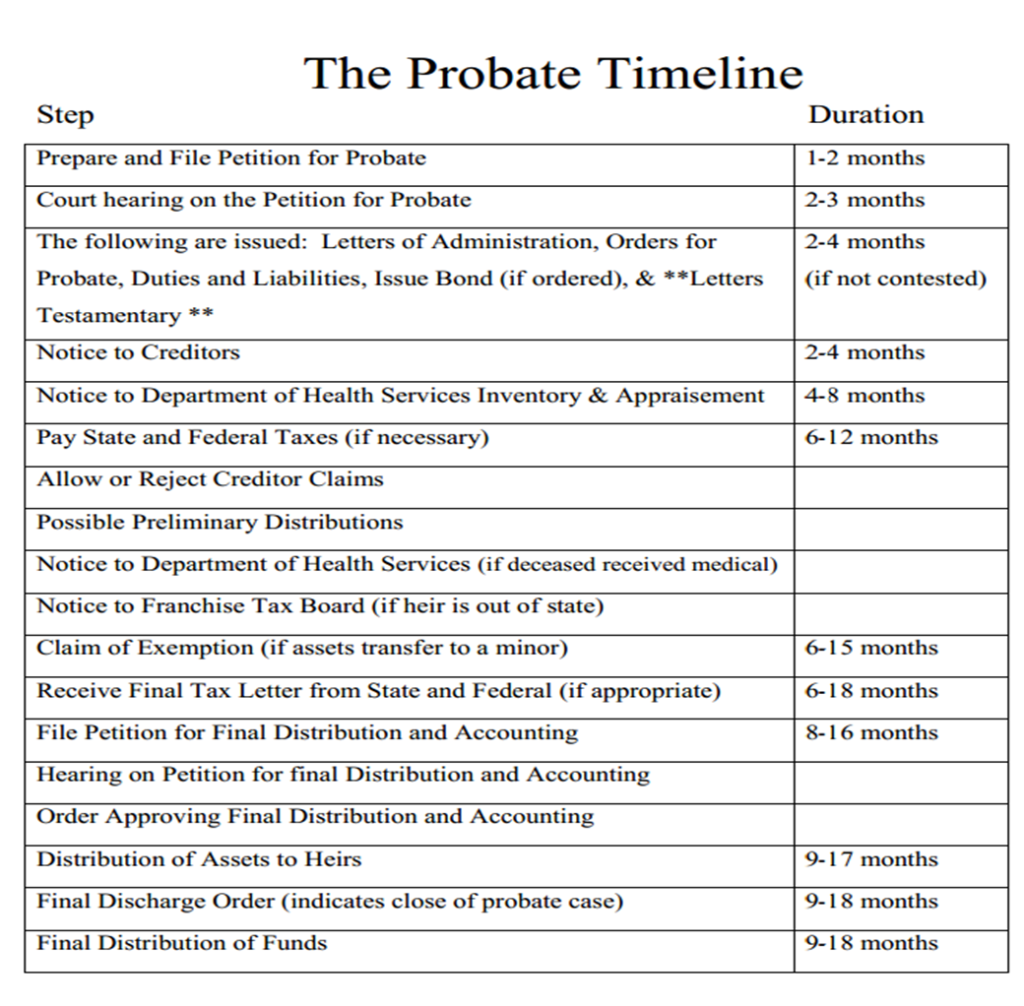
One might wonder how long the entire probate process takes after the will is read. The timeline can vary significantly based on a myriad of factors. Typically, a simple estate may conclude within several months, while more complex estates can languish in probate for over a year. This duration often correlates with the necessity to settle outstanding debts, disputes among heirs, or the complexity of asset distribution.
For uncomplicated estates, the executor can often resolve all matters swiftly. However, where disputes arise, or assets are undisclosed, the probate can extend significantly. Such nuances emphasize the need for diligence and proper legal guidance during the process.
Factors Influencing Probate Timelines
Several variables can affect the duration of the probate process, including:
- Jurisdiction: Each locality may have its own rules and timeframes regarding probate, which significantly influences timelines.
- Complexity of the Estate: A straightforward estate involving liquid assets can process more quickly than one laden with real estate, investments, and business interests.
- Debts and Taxes: Settling outstanding debts and ensuring tax obligations are met can extend the timeline.
- Beneficiaries’ Relationships: Familial discord can lead to legal disputes and delays, where beneficiaries contest the will’s validity.
- Executor’s Efficiency: The executor’s organisational skills, familiarity with the law, and commitment to fulfilling their responsibilities directly impact the timeframe.
Conclusion: A Journey Through Grief and Legalities
In essence, the time it takes for a will to be read following death is a multifaceted issue that intertwines emotional heaviness with legal formalities. While immediate actions begin to unfold soon after passing, the winding road of probate presents a plethora of timelines, dictated by several external and internal factors. Clarity, communication, and understanding within familial dynamics, along with a proficient executor, can ease this complex journey. Awareness and preparedness empower families to navigate this challenging time with grace, assuring that the wishes of their dearly departed are realised with the respect and dignity they deserve.
FAQ
How long does it take for a will to be read after death?
The will is typically read within a few weeks after death, depending on the executor and the probate process.
What is the probate process?
Probate is the legal process of validating a deceased person’s will and distributing their assets.
What factors influence the probate timeline?
Factors include jurisdiction, complexity of the estate, debts and taxes, relationships among beneficiaries, and the executor’s efficiency.
FAQ
How long does it take for a will to be read after death?
The will is typically read within a few weeks after death, depending on the executor and the probate process.
What is the probate process?
Probate is the legal process of validating a deceased person’s will and distributing their assets.
What factors influence the probate timeline?
Factors include jurisdiction, complexity of the estate, debts and taxes, relationships among beneficiaries, and the executor’s efficiency.



Leave a Reply