Short Answer
Woodworm, that dreaded nemesis lurking in the shadows of our homes, can be a silent destroyer. To unearth this insidious presence, it’s crucial to discern the signs of activity. Understanding how to identify woodworm infestations not only protects our precious woodwork but also restores peace of mind. Let’s delve deeper into the deceptive world of woodworm, uncovering its telltale signs and exploring effective treatment methodologies.
What is Woodworm?
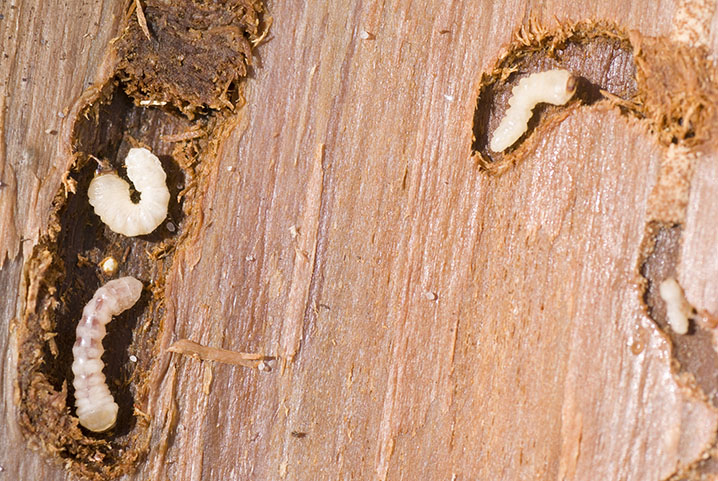
Woodworm is not a specific insect but rather a term describing the larval stage of various wood-boring beetles. These creatures, cloaked in harmless exteriors, can pose severe threats to timber structures if left unchecked. The most common culprits include the Common Furniture Beetle, the Deathwatch Beetle, and the Powderpost Beetle. Each of these variances presents unique characteristics and challenges, yet they all share a singular, daunting trait: their insatiable appetite for wood.
Identifying Active Infestations: Signs to Watch For
To ascertain if woodworm is actively feasting on your beloved timber, one must be vigilant. Here are some signs worthy of the closest scrutiny:
- Exit Holes: The most overt indication of woodworm is the presence of tiny exit holes, often no larger than the size of a pencil lead. These ‘doors’ in the wood signify that adult beetles have emerged, leaving behind a signature of their existence.
- Frass: Alongside these exit holes, one may notice a fine powdery substance that resembles sawdust, known as frass. This waste matter results from the larvae consuming the wood. Should you find this debris near the holes, it’s time to take action.
- Galleries and Tunnels: If you have the fortune (or misfortune) to inspect the wood closely, you may discover intricate galleries and channels where the larvae have gnawed their way through the timber, leaving behind a rotting hollow structure.
- Sound of Activity: In a setting where silence reigns supreme, one might hear a faint tapping sound. This curious noise is produced by the larvae as they munch away at their wooden banquet. It’s a subtle symphony of destruction, if you will.
- Weakened Structures: Finally, the ultimate manifestation of woodworm activity is compromised structural integrity. If wooden beams or furniture begin to bend or splinter, or if they feel unusually soft to the touch, there’s a strong possibility that woodworm is hard at work.
Diagnosis: The Importance of Inspection
The signs of woodworm are often astoundingly subtle and can easily be overlooked. Therefore, it’s essential to conduct periodic inspections. Employing the expertise of a pest control professional can ensure a thorough analysis, especially in homes with wooden beams or antique furnished items, as these structures are particularly vulnerable.
Treatment Tips: How to Fight Back
Confronting a woodworm infestation may seem daunting, akin to battling an elusive spectre haunting the rafters. However, a plethora of treatment options exists that can help restore your woodwork’s glory:
- Surface Treatments: Diluted borate solutions are a popular line of defence. These treatments penetrate the wood, creating a toxic environment for larvae while remaining safe for humans and pets. Regular applications can build a protective layer against future infestations.
- Heat Treatment: For those seeking a chemical-free approach, heat treatment can be highly effective. By raising the temperature of the affected wooden area to around 55°C for several hours, you render the environment inhospitable to the larvae, effectively eliminating them.
- Fumigation: For severe infestations, consider fumigation. This method involves sealing the affected area and introducing gas that permeates through the wood, eradicating all stages of woodworm, including larvae and eggs. However, this is best handled by specialists due to the complexity and safety concerns.
- Replacing Infested Wood: Sometimes, the best solution is to remove and replace heavily infested wood. This decision is often made when the structural integrity of the timber has diminished significantly.
- Prevention Measures: You can erect barriers against future infestations by ensuring proper ventilation in basements and attics, as well as controlling moisture levels. Remember, woodworm thrives in damp conditions.
Conclusion: Vigilance is Key
In the relentless battle against woodworm, vigilance is your greatest ally. By understanding the signs and taking swift action, you can safeguard your wooden treasures from this stealthy foe. Whether it’s through professional help or DIY treatments, the restoration of your timber’s integrity is attainable. Hence, keep your eyes peeled and your weapons at the ready—after all, a well-informed homeowner is a formidable barrier against infestations!
FAQ
What is woodworm?
Woodworm refers to the larval stage of several species of wood-boring beetles that tunnel into and damage wood.
How do I identify if woodworm is active in my home?
Look for small exit holes in wood, powdery dust called frass, hollow-sounding wood, faint tapping noises, and any signs of weakened or damaged timber.
What treatments are effective against woodworm?
Effective treatments include applying borate-based surface treatments, heat treatment, professional fumigation, and replacing severely damaged wood.
Can I prevent woodworm infestations?
Yes, by maintaining dry conditions, ensuring good ventilation, and controlling moisture levels in areas with timber.

Leave a Reply