Short Answer
When it comes to safeguarding your home from the perils of rodent infestation, understanding how rats gain entry is crucial. These nimble creatures are notorious for their ability to infiltrate even the most secure of spaces. A fundamental step in averting a rat problem is to pinpoint the various entry points they exploit. This guide will delve into the intriguing world of rat entry methods, whilst also equipping you with preventative measures to fortify your home against these unwelcome intruders.
Understanding the Anatomy of Entry Points
Before we embark on a discussion about prevention and control, it’s essential to grasp how rats interact with their environment. Rats possess an extraordinary ability to squeeze through surprisingly small openings—often as tiny as 1/2 inch in diameter. Their wiry bodies are designed for stealth and agility, enabling them to scuttle undetected through the crevices of our lives.
Common Entry Points for Rats
Rats are opportunistic creatures, adept at spotting vulnerabilities in structures. Here are some common entry points you should be vigilant about:
- Walls and Foundations: Cracks in bricks or weakened mortar joints can provide easy access for rats. In many cases, they will create their own entryways if existing ones are not adequate for their requirements.
- Windows and Doors: Gaps around windows and poorly sealed doors are prime targets. Weather stripping can deteriorate over time, creating openings that rats can exploit.
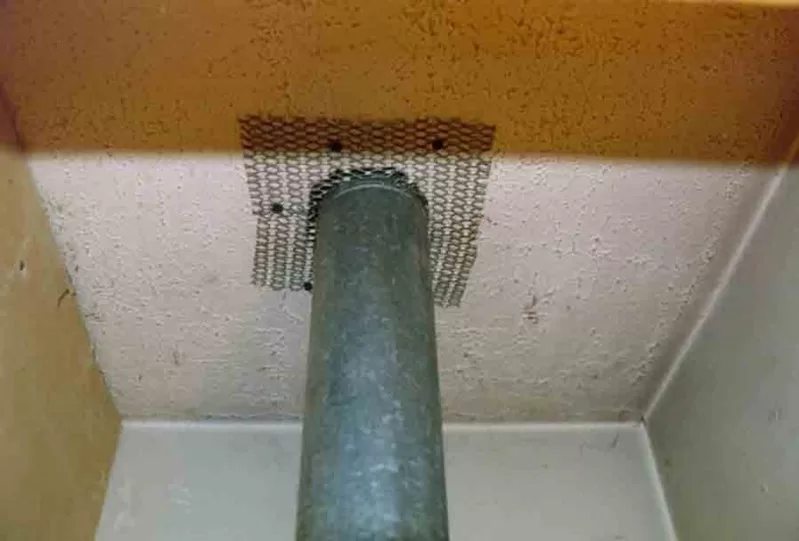
- Pipes and Vents: Bears in mind that individual plumbing and ventilation systems often bring with them a medley of gaps. For instance, holes created around pipes where they meet the wall can serve as a welcoming gateway for rats.
- Garages and Sheds: These outbuildings can be particularly susceptible, often cluttered with items that hinder inspection. It’s imperative to ensure that any external doors are tightly sealed when closed.
The Less Obvious Points of Interest
While the aforementioned entry points are relatively well-known, it’s worth delving into the obscure methods rats may use to infiltrate your abode:
- Overhead Spaces: Rats are accomplished climbers. They commonly use trees, power lines, and even fence tops to access roofs. Once there, a single loose tile or a cracked vent can provide them entry into your home.
- Attics and Crawl Spaces: Many homeowners neglect these areas, making them ideal hideouts for rats. Inattentive insulation or unsealed gaps can offer the perfect passage for invasion.
- Underneath Exteriors: The foundation itself can be a hidden entry point. It’s not uncommon for rats to burrow beneath concrete slabs or stairs, exploiting imperfections in the ground.
Rats and Their Behavioural Patterns
Understanding rat behaviour is paramount in identifying potential entry points. They are incredibly adaptive, often changing their habits based on their surroundings. Their nocturnal nature means they are most active at night, making it difficult to catch them in action.
Rats prefer paths they are familiar with, leading them to follow the same routes where they feel safest. In doing so, they will often leave behind scent markings, a chemical trail that signals safety to other members of their colony. This behaviour can sometimes allow homeowners to determine where they may be entering, should sightings be detected.
Effective Prevention Strategies
Having identified the various entry points and behavioural patterns of rats, we can now turn our attention to effective prevention strategies. The goal is to create a fortress-like environment, robust enough to deter even the most determined invaders.
- Conduct Regular Inspections: Establish a routine to inspect your home, particularly focusing on foundational cracks, gaps in seals, and the condition of doors and windows. Early detection is key to thwarting potential invasions.
- Seal and Repair: Use caulk, steel wool, or metal mesh to seal any openings in walls, foundations, or around pipes. Repairing any structural damage or deterioration is paramount in keeping rats at bay.
- Maintain Cleanliness: An uncluttered environment is less inviting to rodents. Eliminate food sources by storing food in airtight containers and regularly cleaning up spills and crumbs.
- Garden Maintenance: Trim back branches and shrubs that could provide access to the roof, and remove any standing debris around the house that could create nesting spots.
- Professional Assistance: If you suspect an infestation or want to ensure a comprehensive approach to prevention, consider enlisting a pest control professional. They have the expertise to identify and mitigate risks that may not be immediately visible to the untrained eye.
Final Thoughts: Proactive Measures Equal Peace of Mind
By comprehending how rats infiltrate homes and the behavioural patterns driving them, you equip yourself with the knowledge needed to prevent these unwelcome guests. It’s about creating an environment that feels unwelcoming to rats, fostering a secure haven for you and your family. Taking proactive measures today can save you from the considerable hassle and expense of dealing with a rat infestation tomorrow. Stay vigilant, maintain your premises, and remember: prevention is always better than cure.
FAQ
What are common entry points for rats?
Common entry points for rats include cracks in walls and foundations, gaps around windows and doors, holes around pipes and vents, and access through garages and sheds.
How can I prevent rats from entering my home?
Prevent rats by sealing openings, conducting regular inspections, maintaining cleanliness, and trimming back overhanging branches.
FAQ
What are common entry points for rats?
Common entry points for rats include cracks in walls and foundations, gaps around windows and doors, holes around pipes and vents, and access through garages and sheds.
How can I prevent rats from entering my home?
Prevent rats by sealing openings, conducting regular inspections, maintaining cleanliness, and trimming back overhanging branches.


Leave a Reply