Short Answer
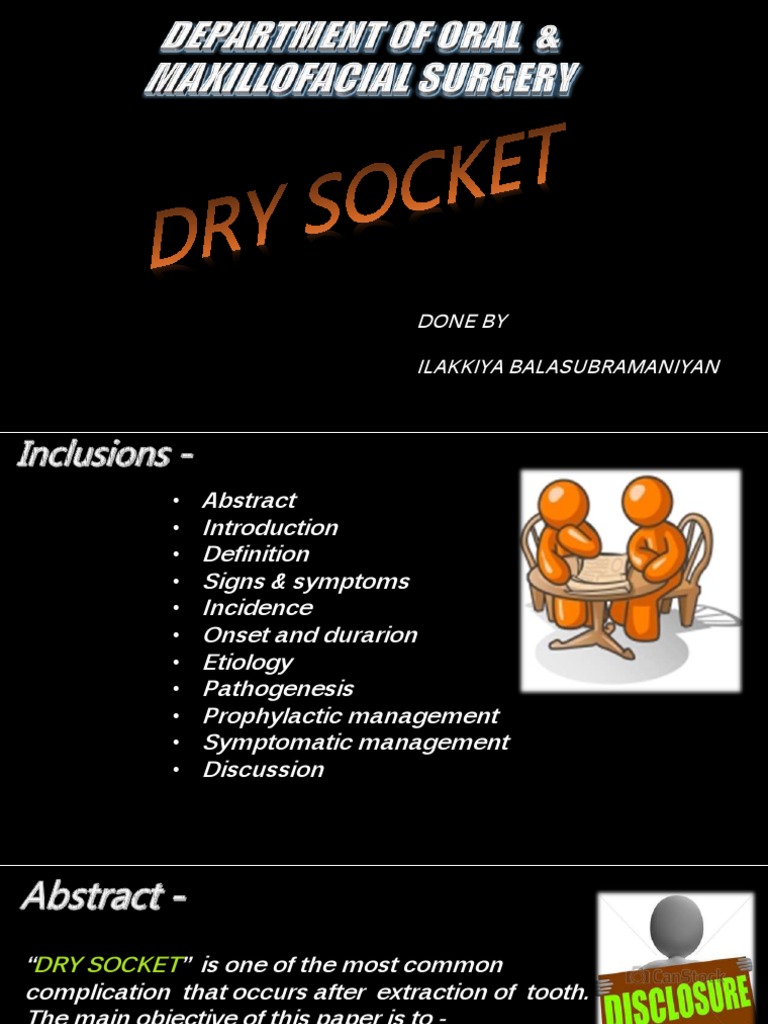
Dry socket, medically known as alveolar osteitis, is a condition that can occur following the extraction of a tooth, particularly those that are impacted, such as wisdom teeth. The underlying bone and nerves become exposed when the blood clot necessary for healing either dissolves or dislodges from the socket prematurely. This phenomenon can lead to significant discomfort, extending beyond the confines of the extraction site. Understanding the prevalence of dry socket, its risk factors, and how one can effectively mitigate the chances of developing this painful condition is paramount for anyone undergoing dental procedures.
Understanding the Prevalence
While the occurrence of dry socket is relatively rare, varying statistics suggest that it affects approximately 2% to 5% of individuals who have undergone dental extractions. However, this figure can escalate significantly in specific populations. In the case of wisdom tooth extractions, particularly in patients with prior orthodontic treatment or those whose extractions are deemed to be complicated, the incidence may surge to as much as 30%. It is essential to appreciate that despite the statistical rarity, the severity of the symptoms associated with dry socket can have a profound impact on recovery and overall dental health.
Identifying Risk Factors
Several factors can increase the likelihood of developing dry socket, comprising both controllable and uncontrollable elements. Understanding these can equip patients with the knowledge needed to mitigate risks effectively:
- Smoking: The act of smoking can significantly hinder the healing process post-extraction. The suction created when smoking can dislodge the blood clot, while the toxic substances in tobacco delay recovery.
- Oral Contraceptives: Numerous studies have investigated the correlation between hormonal contraceptives and dry socket. Women who utilise oral contraceptives may have an elevated risk, as hormonal fluctuations can affect blood clotting and healing.
- Age: Research indicates that individuals over the age of 30 may be at higher risk of developing dry socket. The healing capacity diminishes with age, making proper aftercare essential.
- Dental History: Patients with a history of dry sockets or those who have undergone multiple extractions may find themselves at a heightened risk. This is particularly true if prior extractions were followed by complications.
- Infection: If the extraction site becomes infected, this can interfere with the healing process and increase the likelihood of developing dry socket. Maintaining oral hygiene is paramount to prevent infections.
- Trauma: An extraction that involves greater force or manipulation is more prone to yield complications, including dry socket. This is often seen in the extraction of impacted teeth.
Preventive Measures
Preventing dry socket is not merely a matter of luck; proactive steps can greatly diminish the likelihood of its occurrence. Here are various strategies to consider before and after a dental extraction:
- Choose a Skilled Dentist: Selecting an experienced dental professional can reduce the risk of complications. A practitioner with a sound track record in extractions is less likely to incur issues leading to dry socket.
- Avoid Smoking: It is highly advisable to refrain from smoking for at least 48 hours post-extraction. If possible, quitting entirely can further enhance recovery outcomes and diminish various health risks.
- Follow Care Instructions: Dentists usually provide specific post-operative instructions, including dietary restrictions and care for the extraction site. Following these meticulously is imperative for optimal healing.
- Maintain Oral Hygiene: While it is crucial to avoid vigorous rinsing or spitting directly after an extraction, gentle oral hygiene practices should still be maintained. Avoid brushing directly on the extraction site, opting instead for a toothbrush with soft bristles on surrounding areas.
- Manage Pain Effectively: Pain can induce stress, potentially leading to inadvertent actions, such as aggressive cleaning around the extraction area. Employing prescribed pain relief methods can diminish discomfort and allow a more relaxed healing experience.
- Stay Hydrated: Hydration plays a vital role in overall health and recovery. Drinking plenty of fluids, sans straws, helps maintain blood flow and facilitates healing.
Symptoms and When to Seek Help
Recognising the symptoms indicative of dry socket is crucial for timely intervention. Patients should be vigilant for:
- Severe pain starting 2 to 4 days after extraction that does not respond to usual pain medications.
- An empty socket where the clot should have formed, often accompanied by visible bone.
- A foul taste or odour emanating from the extraction site, sometimes coupled with a fever.
If any of these symptoms are apparent, seeking immediate dental attention is imperative. Prompt treatment often involves cleaning the area, medicating it, and possibly employing a special dressing to aid in recovery.
Conclusion
Though the risk of developing dry socket exists, especially following dental extractions, understanding the prevalence, recognising risk factors, and employing effective preventive measures can substantially mitigate these risks. Clear communication with your dental professional regarding postoperative care and any concerns can lead to a more comfortable recovery experience. Knowledge is power when it comes to maintaining optimal oral health and handling procedures with foresight.
FAQ
What is a dry socket?
A dry socket is a painful condition that occurs when the blood clot at the site of a tooth extraction dislodges or dissolves, exposing the underlying bone and nerves.
How can I prevent a dry socket?
To prevent a dry socket, avoid smoking, follow post-operative care instructions, and maintain good oral hygiene.
What are the symptoms of a dry socket?
Symptoms include severe pain several days after extraction, an empty socket, and a foul taste or smell.
When should I seek dental help for a dry socket?
Seek help if you experience severe pain that doesn’t respond to regular pain medications or notice an empty socket.
FAQ
What is a dry socket?
A dry socket is a painful condition that occurs when the blood clot at the site of a tooth extraction dislodges or dissolves, exposing the underlying bone and nerves.
How can I prevent a dry socket?
To prevent a dry socket, avoid smoking, follow post-operative care instructions, and maintain good oral hygiene.
What are the symptoms of a dry socket?
Symptoms include severe pain several days after extraction, an empty socket, and a foul taste or smell.
When should I seek dental help for a dry socket?
Seek help if you experience severe pain that doesn’t respond to regular pain medications or notice an empty socket.

Leave a Reply