Short Answer
Understanding whether you need braces goes beyond simply assessing the aesthetics of your smile. It is a matter that encompasses your oral health, comfort, and overall quality of life. The complexity of dental alignment issues can lead to significant long-term implications if left untreated. In this discourse, we will unravel the signs that may indicate a need for braces, providing you with invaluable insight and orthodontic advice that may alter your perspective on dental care.
Firstly, let us explore the fundamental cues that your teeth and jaw might be sending you. It would be prudent to commence with the most overt indicator: **misaligned teeth**. If your teeth are crooked or protruding, this not only detracts from your smile but can also complicate daily activities such as chewing and speaking. The aesthetic dimension of alignment issues can unduly affect one’s self-esteem, leading to a hesitance in social interactions.
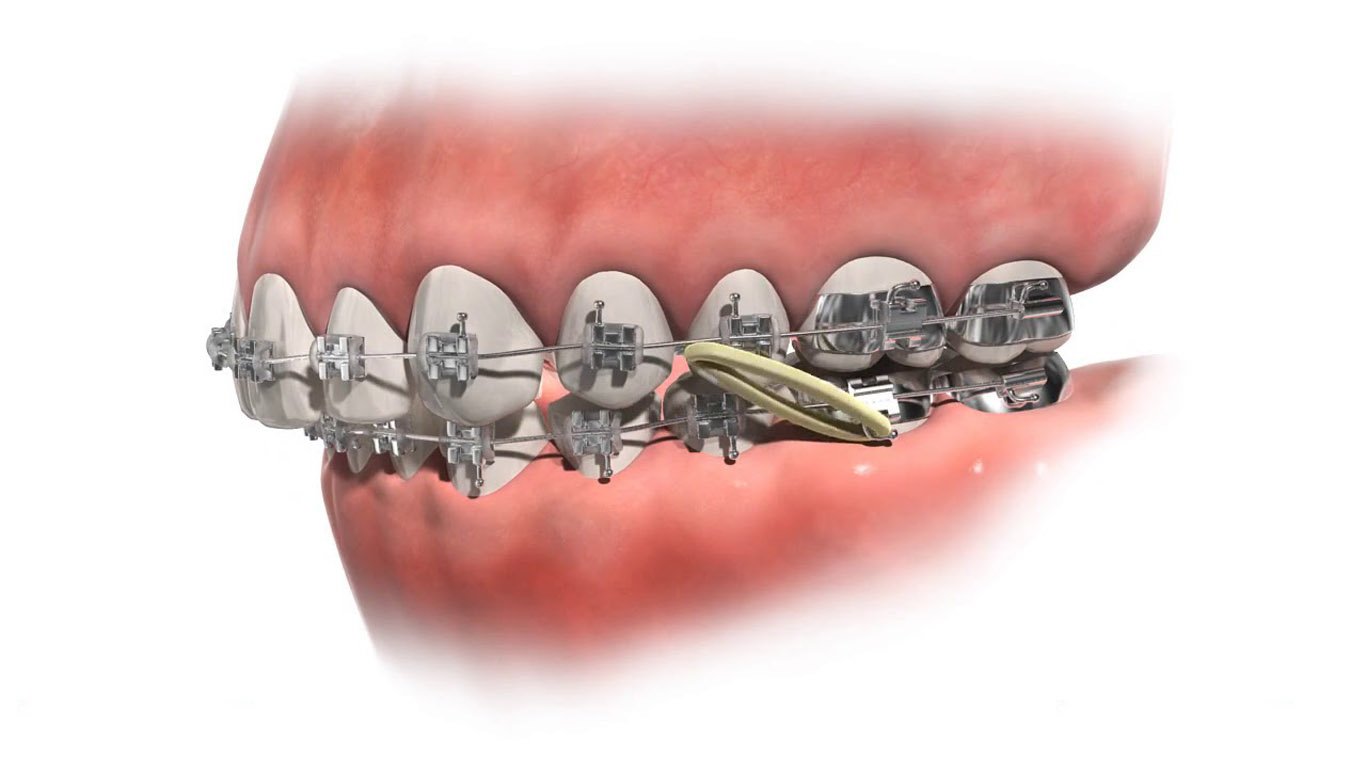
Beyond aesthetics, consider the potential for **overbite or underbite** – this is when the upper teeth significantly overlap the lower teeth, or vice versa. Such discrepancies can result in inefficient chewing and even lead to jaw discomfort or migraines. These experiences may seem trivial at first glance, yet they are pivotal in recognising when to consult an orthodontist.
The art of observation is essential in diagnosing potential orthodontic needs. Be attuned to the frequency of **jaw pain or tension**. If you experience discomfort that radiates from your jaw and neck, this may signify that your occlusion – the way your teeth come together – is misaligned. Such tension can lead to more severe conditions, including temporomandibular joint disorders (TMJ), perpetuating a cycle of pain and discomfort.
Moreover, pay heed if you notice **frequent biting of the cheeks or tongue**. This generally occurs when the teeth are not aligned correctly, making contact with soft tissues in the mouth. This habit not only signifies misalignment but can also lead to additional issues, such as mouth sores and increased sensitivity. When your smile becomes a source of discomfort rather than joy, it is time to consider the transformative journey that braces might offer.
The next tell-tale sign concerns your **routine dental hygiene practices**. Efforts to maintain oral health can be significantly hindered by misaligned teeth. If you struggle to effectively brush or floss your teeth due to their positions, plaque accumulation and tooth decay may become significant threats. Braces serve to straighten teeth, thereby enhancing their cleanliness and health. A straight smile can reduce the likelihood of cavities and gum disease, promising not just aesthetic appeal but also improved oral hygiene.
As we further dissect the implications of under-addressed dental health, consider the aspect of **speech difficulties**. For those who have never pondered this possibility, an improper bite could quite feasibly impact how you articulate certain sounds. A lisp, for example, is frequently a result of teeth positioning that obstructs clear pronunciation. Correcting such an alignment issue with braces can facilitate clarity in speech and promote confidence in communication.
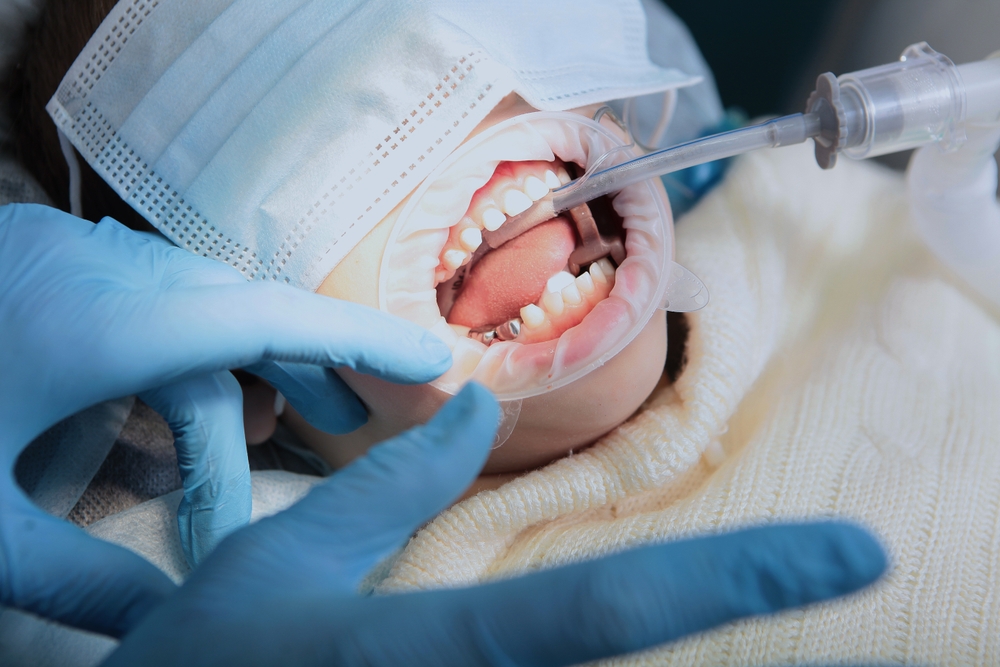
Let us not forget about the role of **age** in this conversation. Though braces often evoke images of adolescents, the necessity for orthodontic treatment can occur at any stage of life. Adults may find themselves needlessly living with alignment issues that could easily be rectified with modern orthodontics. Conversely, early intervention in children’s developmental phases can greatly decrease future complications, potentially avoiding the need for more extensive orthodontic work later on.
One might ponder about the different options available today. The realm of orthodontics has evolved remarkably, introducing a modern milieu of choices beyond traditional metallic braces. Clear aligners, for instance, offer a more discreet approach to realigning teeth without compromising one’s aesthetic appeal during treatment. Exploring these possibilities with an orthodontist can lead to a tailored plan that aligns with individual preferences and lifestyle.
Having established these perceptive signs signalling the need for braces, we must now consider an essential course of action: consulting an **orthodontic professional**. An expert in this field can provide a thorough assessment of your oral condition, offering insights that can only stem from clinical expertise. Engaging in this dialogue not only empowers you with information but also facilitates an informed decision-making process.
In summation, recognising the signs that indicate a potential need for braces requires diligence and a willingness to observe the subtle nuances of your dental health. Misalignment, discomfort, and hygiene challenges are all integral components of this narrative. The road to understanding and remediation may prompt a profound shift in how you view your oral health journey. Consultation with an orthodontist is paramount, ushering you towards a future adorned with a confident, aligned smile that endorses both aesthetics and health. The promise of modern orthodontics renders it imperative for you to explore how braces could transform not just your smile, but your overall well-being.
FAQ
What are the main signs that you may need braces?
Main signs include misaligned teeth, overbite or underbite, jaw pain, biting of cheeks or tongue, and difficulties with dental hygiene.
Can adults get braces?
Yes, orthodontic treatment can be beneficial for adults at any age.
What alternatives to traditional braces are available?
Options include clear aligners and other modern orthodontic devices.

Leave a Reply