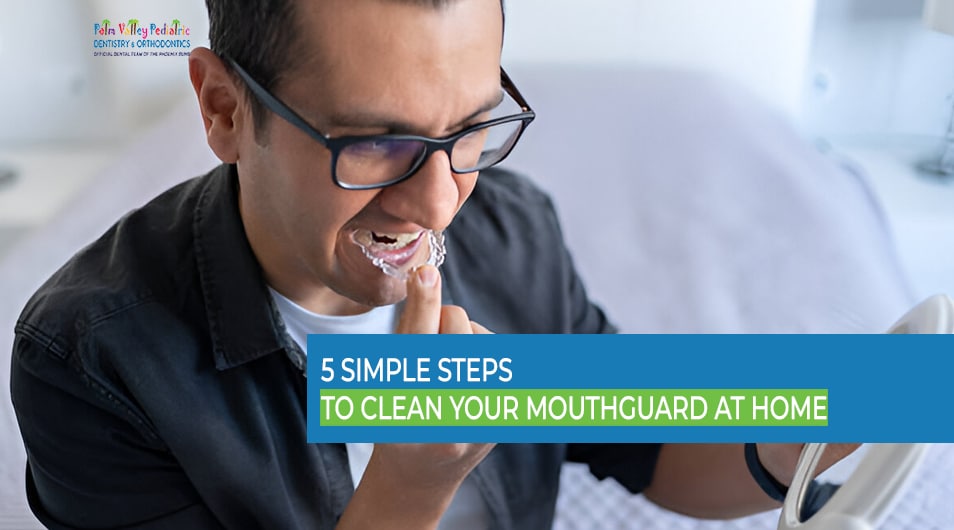
Short Answer
Have you ever wondered how a seemingly innocuous piece of plastic can become a veritable breeding ground for bacteria? Your mouthguard, indispensable for protecting your teeth during sports or sleep, can quickly transform into a health hazard if not properly maintained. Perhaps you’ve delved into ways to clean它, or maybe the thought of it has slipped your mind as you tossed it into that trusty drawer where you store your sports gear. Fear not! By the end of this article, you will be armed with insightful hacks to ensure your mouthguard remains fresh, sanitised, and ready for action.
Understanding the Need for Cleanliness
Imagine slipping on your mouthguard only to be met with the repugnant scent of stale saliva and bacteria. Not exactly the invigorating sensation one hopes to experience before a match, right? Unfortunately, microorganisms flourish in the moist environment of a mouthguard, creating an unsightly ecosystem of germs that can lead to foul odours and potential illnesses. Regular and thorough cleaning should not be considered an option; it is an absolute necessity.
Essential Cleaning Supplies
Before diving headlong into the cleaning process, it is important to gather a few essential items. You will need:
- A soft-bristled toothbrush
- Non-abrasive toothpaste or dish soap
- White vinegar
- Baking soda
- Hydrogen peroxide (3% solution)
- Warm water
- A bowl for soaking
- A clean towel for drying
Armed with these tools, you’re ready to tackle the challenge head-on. So, let’s explore the steps required to restore your mouthguard to its former glory!
Step 1: Rinse Immediately After Use
It may seem tedious, but rinsing your mouthguard immediately after use is one of the simplest yet most effective methods of keeping it clean. A quick rinse under warm water will help eliminate saliva and food particles, ensuring that your mouthguard doesn’t become a breeding ground for bacteria. Don’t skimp on this step just because you’re in a hurry; consider it an investment in your health.
Step 2: Gentle Scrubbing
Next, grab your soft-bristled toothbrush. Apply a small amount of non-abrasive toothpaste or a dab of dish soap to the bristles. Gently scrub the mouthguard, paying special attention to any grooved areas that may harbour grime. This method will serve to dislodge stubborn particles while being gentle on the material of the mouthguard itself. A few minutes of dedicated scrubbing can make a world of difference!
Step 3: Soak in a Cleaning Solution
To elevate your cleaning routine to the next level, create a disinfecting soak. Mix equal parts white vinegar and warm water in a bowl. Submerge your mouthguard and let it sit for approximately 15-30 minutes. The vinegar acts as a natural disinfectant, combating both stains and odours. For an added germ-fighting boost, consider adding a tablespoon of baking soda to the solution. The effervescent reaction will work wonders on your mouthguard’s surface.
Step 4: Rinse and Dry
After its time soaking, remove your mouthguard from the cleaning solution and give it a thorough rinse under warm water. Any lingering vinegar should be washed away. Then, pat the mouthguard gently with a clean towel. Avoid air drying on a dirty surface, as this may reintroduce unwelcome bacteria. Once dry, store it safely in its case.
Step 5: The Hydrogen Peroxide Detox
For those feeling particularly adventurous, employing hydrogen peroxide can serve as an effective detox for your mouthguard. Create a solution by mixing equal parts hydrogen peroxide and water. Submerge the mouthguard for around ten minutes. Just be cautious—overexposure can cause discolouration or damage, so stick to this method once every few weeks rather than daily. Rinse thoroughly afterward.
Additional Tips to Keep Your Mouthguard in Top Condition
Maintaining a routine cleaning schedule is vital, but there are other nuggets of wisdom that can further enhance the lifespan of your mouthguard. Consider the following:
- Store it Properly: Ensure your mouthguard is stored in an aerated case to prevent moisture buildup. This will mitigate microbial growth.
- Avoid Hot Water: Hot water can warp the shape of your mouthguard, compromising its fit and effectiveness. Stick to warm or cool water only.
- Avoid Sharing: This may be common sense, but never share your mouthguard. Individual hygiene standards vary, and sharing could expose you to harmful pathogens.
Conclusion: Embrace the Clean and Germ-Free!
Consider your mouthguard more than just protective gear; it is a personal health accessory that requires as much attention as your favourite pair of trainers. By implementing these techniques, you will ensure that your mouthguard not only stays clean but remains effective in safeguarding your dental health. So the next time you pop that mouthguard in, rest assured that cleanliness is just as much a part of your game as your skill on the field. With research-backed techniques and a little discipline, you’ll have a fresh, germ-free mouthguard ready for battle at a moment’s notice!
FAQ
Why is it important to clean my mouthguard regularly?
Because mouthguards can harbor bacteria and germs that cause bad odors and potential infections if not properly cleaned.
Can I use household cleaning products on my mouthguard?
Use mild, non-abrasive products like dish soap or toothpaste. Avoid harsh chemicals that can damage the mouthguard.
How should I store my mouthguard?
Store it in a clean, aerated case to keep it dry and prevent bacterial growth.
What materials should I avoid using to clean my mouthguard?
Avoid abrasive cleaners, hot water, and strong chemicals that can warp or degrade the material.




Leave a Reply