
When it comes to the delicate art of hair removal, navigating the myriad of options can often feel like traversing an intricate labyrinth. Two contenders in the ring of epilation, each with their own fervent advocates, are hard wax and soft wax. These two types embody not just methods of removing hair but also differing philosophies on pain and precision, akin to a painter choosing between a brush and a palette knife. In this exploration, we will delve into the attributes of both hard and soft wax, juxtaposing them to uncover which indeed reigns supreme for a pain-free experience.
At the very heart of the debate is the composition of each wax. Hard wax is typically made from natural resins and is designed to harden upon cooling. This transformation creates a solid film that can be easily removed without the need for a cloth strip. The removal technique resembles pulling off a second skin—gentle and surprisingly effective, it clings only to the hair rather than the surrounding skin. In contrast, soft wax, often infused with various additives such as oils and fragrances, requires cloth strips for its removal. This method is akin to a charming dance, as the wax is spread in a thin layer and subsequently lifted, taking along with it not just the hair but also a layer of the epidermis.
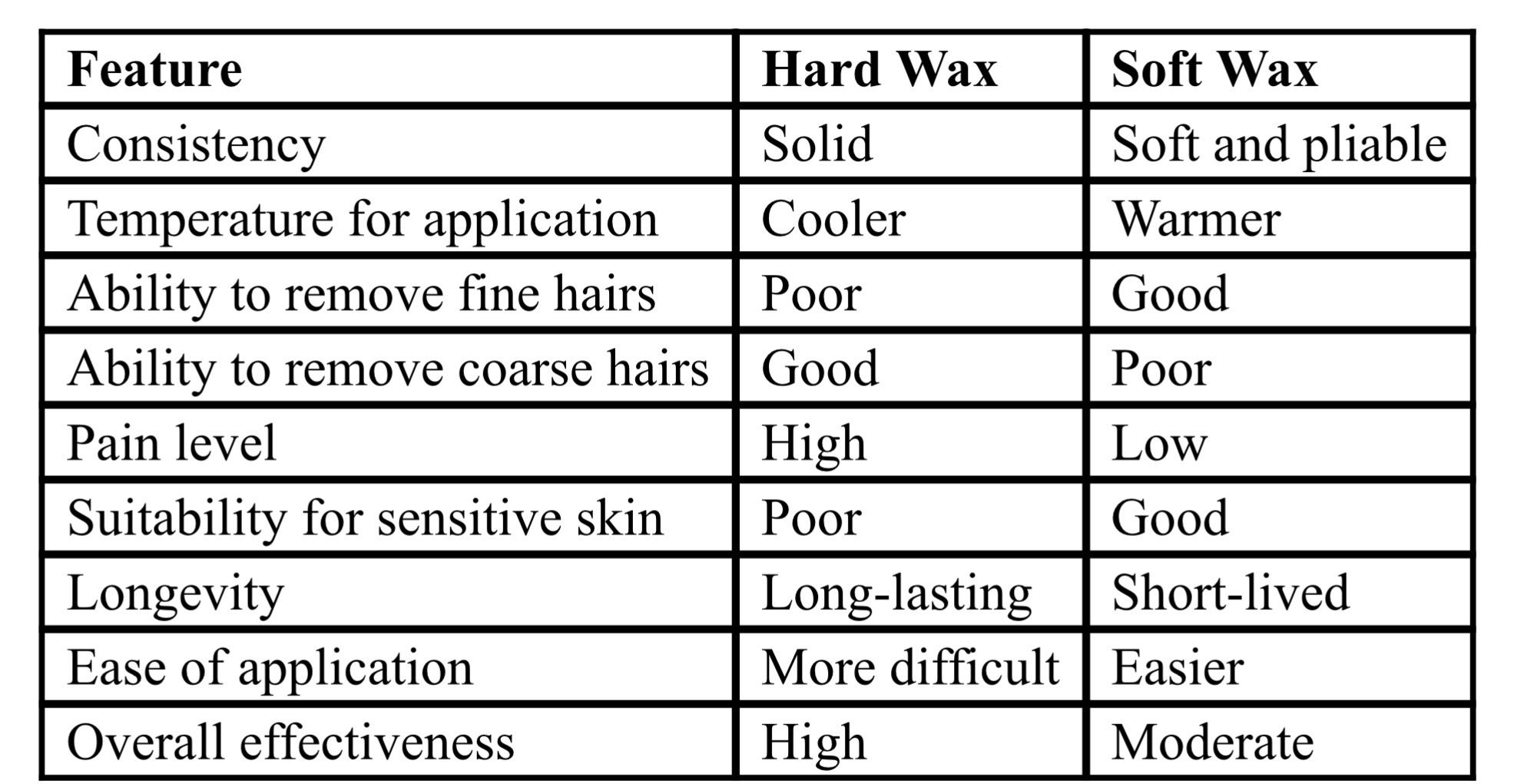
One of the most prevalent concerns when considering hair removal is the discomfort associated with the process. Herein lies a significant distinction between hard and soft wax. Soft wax is known for its potential to cause increased sensitivity, particularly for individuals with delicate skin. The adherence of soft wax to both the hair and the skin can result in pulling at the topmost layers of dermis during removal, leaving behind a sensation akin to a bee sting—sharp, sudden, and intense. However, when applied correctly, it can yield silky smooth skin.
Hard wax, however, often receives acclaim for its seemingly gentle touch. Since it adheres solely to the hair, the agony is arguably less intense, making it a favourite for those with a lower pain threshold. As the hard wax cools and encapsulates the hair, it allows for a more controlled and precise extraction. Hence, one might say that hard wax offers a more intimate and respectful interaction with the skin, akin to easing a cherished piece of art from its frame rather than ripping it away.
Another aspect worth consideration is the type of hair each wax is best suited for. Hard wax is particularly favourable for coarser hair, such as that found in the bikini area or underarms, where the strength of the wax can thoroughly grasp even the most stubborn strands. However, soft wax shines in the realm of finer hair, making it a preferred choice for larger areas, such as the legs or arms. It is almost as if hard wax embodies the ferocity of a lion, tackling the thickest challenges head-on, while soft wax plays the role of the fox, swift and efficient over broader landscapes.
The application process also diverges dramatically between the two waxes, marking a significant chapter in this narrative. The method of applying soft wax demands a certain finesse, requiring the waxer to expertly spread the substance in the direction of hair growth. This ensures that the wax can properly grasp the fine hairs for effective removal. Conversely, hard wax is often applied in a thick layer and can be manipulated into various shapes, allowing for more artistic freedom in its application. The process transforms the room into a veritable salon of creativity, with the aesthetician deftly crafting patterns as if they were sculpting wax figures from a block of marble.
As for the aftermath of waxing, each method also carries its own repercussions. Hard wax tends to leave behind minimal residue and often causes less irritation, making it a more forgiving option for those with sensitive skin. The post-waxing experience is often characterised by a sense of relief, rather than the unease that soft wax may elicit. The swiftness with which skin rejuvenates after hard waxing provides a sense of prompt gratification—akin to the instant satisfaction one feels after planting a seed and witnessing it bloom in full splendour.
When considering longevity, both waxes play different roles in hair regrowth cycles. Hard wax, because of its ability to remove hair more efficiently from the root, often prolongs the time between hair regrowth. This makes it a tactical choice for individuals seeking a longer-lasting solution. Conversely, soft wax may necessitate more frequent sessions, creating a rhythm of upkeep similar to tending a garden that freshens with every season’s bloom.
In conclusion, the choice between hard wax and soft wax is ultimately an exercise in personal preference and individual skin types. Hard wax emerges as a champion for those prioritising comfort and precision, while soft wax appeals to those favouring swift efficiency over larger areas. Just as every artist selects their tools with intention, the discerning individual must weigh the benefits and drawbacks of each method. Whether one leans toward the seductive charm of soft wax or the dignified prowess of hard wax, the ultimate goal remains the same: achieving smooth, hair-free skin with minimal discomfort. The journey through the realms of hair removal reveals that beauty, much like art, is deeply personal, unique, and ultimately an expression of oneself.





Leave a Comment