Short Answer
When it comes to training our canine companions, the collar we choose can make a significant impact. Among the various styles available, the half check dog collar stands out as a versatile and practical option. But, what exactly is a half check collar, and how can it benefit both you and your furry friend?
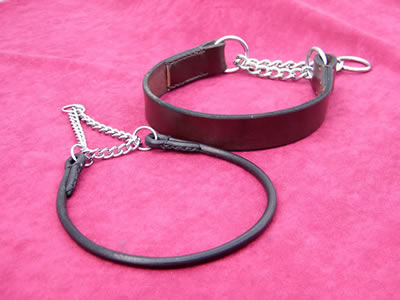
The half check collar, sometimes referred to as a martingale collar, is designed to provide gentle corrections without causing discomfort to your dog. This type of collar features a loop that tightens slightly when the dog pulls, but it stops at a specific point to prevent choking. It’s a remarkable fusion of comfort and control, allowing for better training experiences. However, as beneficial as this collar may be, it also presents a challenge: how do you ensure you’ve selected the correct size and are using it effectively in training sessions?
The Benefits of Half Check Collars
Half check collars are heralded for several advantages. First and foremost, they are a great solution for dogs that tend to pull on the leash. When a dog lunges forward, the collar tightens, offering a subtle reminder to control its excitement without being overly harsh or punitive. This is especially advantageous for breeds known for their strength or exuberance.
Another significant benefit is the adjustable nature of the half check collar. Unlike traditional buckle collars, which rely on a fixed size, the half check can be adjusted to fit snugly around your dog’s neck. This feature not only enhances comfort but also allows for growth, making it an astute investment for growing puppies. Additionally, the ability to adjust the collar ensures that it remains effective for various training stages.
Furthermore, half check collars are typically made from durable materials that can withstand the rigours of outdoor activities. Whether your dog enjoys frolicking in the park or explorations in the countryside, the resilience of these collars will keep them secure during adventures. This durability adds to the collar’s value, ensuring long-term use without the need for frequent replacements.
Choosing the Right Size
Once you’re convinced of the merits of a half check collar, the next step is to select the right size. This part can be quite challenging—after all, an ill-fitting collar can lead to discomfort or even injury. Start by measuring the circumference of your dog’s neck, making sure to take into account the breed, age, and weight, which can all influence size requirements.
With the measurement in hand, look for collars that provide adjustable sizing. This aspect is frequently marked in inches or centimetres, usually detailing the minimum and maximum neck sizes that the collar can accommodate. Ensure that you select a size that sits comfortably—not too tightly—that will allow for two fingers to fit snugly between the collar and your dog’s neck. This guideline helps to prevent chafing and cut-off circulation, promoting comfort during wear.
Training Tips Using a Half Check Collar
Now that you have the right collar, it’s essential to utilise it effectively. The half check collar can be a helpful tool in training sessions, but improper use can diminish its benefits. Here are several tips to ensure success:
- Introduce Slowly: When using a half check collar for the first time, allow your dog to become accustomed to it. Let them wear it for short periods, intertwined with praise and treats to create positive associations.
- Correct Techniques: When your dog pulls on the lead and the collar tightens, gently pull back on the lead to reinforce the lesson of walking calmly. It’s crucial to avoid yanking or jerking the lead, as this can instigate fear rather than foster understanding.
- Consistency is Key: As with any training tool, consistency in commands and rewards amplifies learning. Pair the collar with clear commands like “heel” or “easy” to shape the desired behaviour efficiently.
- Monitor Progress: Pay close attention to your dog’s response. If they seem distressed or are reacting negatively to the collar, it may not be the right fit for them, and adjustments may be necessary.
Potential Challenges
Despite their advantages, half check collars do have potential challenges. One of the foremost concerns is the risk of injury if not used correctly. It’s important to remember that this collar is intended to provide gentle corrections. If used too harshly or if it fits improperly, it can cause harm rather than help.
Moreover, some dogs may not respond well to the sensation of the collar tightening. Every dog has a unique temperament and threshold for discomfort, and understanding this is vital in determining if a half check collar is suitable for them. In such cases, it might be worth exploring alternative training collars or methods.
In conclusion, half check dog collars serve as an elegant solution for managing leash pulling while providing a degree of comfort for the dog. When selecting the appropriate size and using the collar effectively in training sessions, you can enhance your dog’s learning experience. However, it is essential to remain vigilant and ensure that your approach is aligned with your dog’s comfort and safety. After all, great training is just as much about establishing trust and understanding as it is about teaching obedience. So, are you ready to embark on this training journey and see how a half check collar might transform your walks with your furry companion?
FAQ
What is a half check dog collar?
A half check dog collar, also known as a martingale collar, is designed to provide gentle corrections without causing discomfort, tightening slightly when a dog pulls.
How do I choose the right size for a half check collar?
Measure the circumference of your dog’s neck and look for collars with adjustable sizing to ensure a comfortable fit.
What are the benefits of using a half check collar?
They help manage leash pulling, provide comfort, and are adjustable for growing dogs.
Are there any risks associated with half check collars?
If used incorrectly or if not fitted properly, they can cause discomfort or injury to your dog.



Leave a Reply