
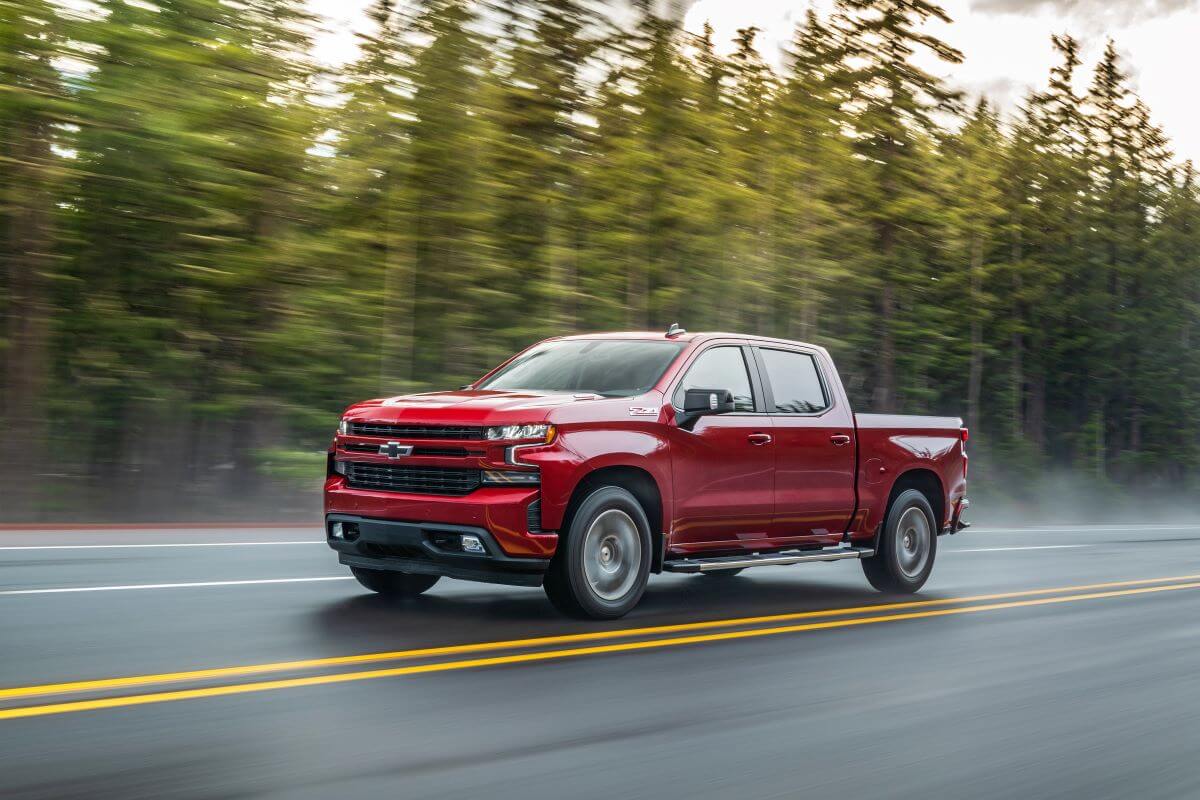
In the realm of midsize pick-up trucks, the Ford Ranger has carved a distinctive niche, especially with its robust 3.2-litre diesel motor. This machine has garnered attention for its power, reliability, and, most importantly, the sentiments of its owners. Understanding what makes this engine tick, along with the experiences of those who drive the Ranger, offers fascinating insights into this beloved vehicle.
Firstly, let us delve into the technical prowess of the Ford Ranger’s 3.2-litre motor. This five-cylinder engine is a workhorse, delivering an impressive 197 horsepower along with a staggering 470 Nm of torque. This torque output allows the Ranger to excel in both on-road and off-road conditions, besting many competitors in its class when it comes to performance, especially when hauling heavy loads or navigating through rugged terrains. The power delivery is notable; it’s responsive and efficient, ensuring the driver has ample thrust at the ready for any situation.
One of the standout characteristics of the 3.2-litre motor is its engineering focus on reliability. Owners frequently highlight that this engine can endure the test of time with proper maintenance. Even under strenuous conditions—be it towing caravans or navigating muddy tracks—the Ranger’s motor is designed to thrive. Many users reflect on their years of ownership with little more than routine servicing and the occasional set of filters. This durability has formed a strong bond between owners and their vehicles, often leading to enthusiastic comments about the Ranger’s longevity and resilience.
However, it would be remiss not to acknowledge that no vehicle is without its share of criticisms. Some owners point to occasional issues with the automatic transmission, particularly in older models. Instances of harsh shifting or delayed gear engagement can sometimes thwart an otherwise satisfying driving experience. Yet, many find these issues to be minor in the grander scheme of the Ranger’s performance. The benefits of power and reliability often outweigh the occasional hiccup in the transmission department.
The diesel engine boasts commendable fuel efficiency as well, particularly for a vehicle of its stature. With an average consumption of approximately 31 mpg, the Ranger stands out amid its peers. This is not only crucial for the pockets of its owners but also for reducing environmental impact over long journeys. It’s a truck built for endurance, ideal for both urban commuting and expansive treks into the countryside.
Now, let us explore the experiences of Ford Ranger owners on a larger scale. Anecdotal evidence, with reviews and testimonials, paints a promising picture of satisfaction. Many commend the Ranger for its comfortable ride quality, even when the vehicle is laden with gear or passengers. The suspension setup is engineered to tackle the uneven surfaces of rugged terrain, providing a surprisingly smooth drive. Whether cruising along a motorway or traversing a bumpy dirt track, the Ranger strives to deliver a composed experience.
Another avenue of delight for owners often revolves around the interior features and comforts of the Ford Ranger. The modern cockpit is equipped with an intuitive infotainment system, complete with Bluetooth connectivity and USB ports. The seating arrangements ooze comfort, and the overall design hints at a sturdy yet stylish approach tailored for practicality. Owners have expressed fondness for the Ranger’s intuitive layout, making daily driving and long-haul journeys all the more enjoyable.
Moreover, the Ford Ranger is acclaimed for its off-road capabilities, a trait cherished by enthusiastic adventurers. The 3.2-litre motor’s torque aids in powering through the most challenging conditions, while the vehicle’s ground clearance and four-wheel-drive functionality allow drivers to venture into uncharted landscapes confidently. Feedback from the off-roading community often lauds the Ranger’s ability to negotiate steep inclines and muddy paths—a testament to its formidable engineering.
As with any vehicle, the cost of ownership is always a concern. The Ford Ranger’s resale value remains robust, attributed to its solid reputation for reliability and performance. Owners looking to upgrade or change vehicles have frequently reported good returns, making the Ranger a prudent long-term investment. Additionally, Ford’s extensive service network reassures buyers that parts and service will be accessible, ensuring peace of mind in maintenance and repairs.
Lastly, the community aspect plays an integral role in the ownership experience as well. Ford Ranger clubs and online forums serve as a haven for enthusiasts to share experiences, tips, and modifications. These platforms foster camaraderie among owners, with many discussing ways to enhance their vehicles or share scenic off-road trails. This collective passion strengthens the bond between the owners and their Rangers, creating a culture that celebrates this durable pick-up.
In summary, the Ford Ranger 3.2-litre motor represents more than just a mechanical marvel; it embodies reliability, power, and a spirited community of owners. From its impressive torque output and commendable fuel efficiency to the comfort of its interiors and robust off-road capabilities, the Ranger is a well-rounded vehicle destined to satisfy. Feedback from its loyal owners reveals an unshakeable trust in its performance, making it a beloved choice among pick-up enthusiasts. Whether you seek power for work or leisure, the Ford Ranger continues to deliver an exceptional driving experience deserving of its legions of fans.





Leave a Comment