
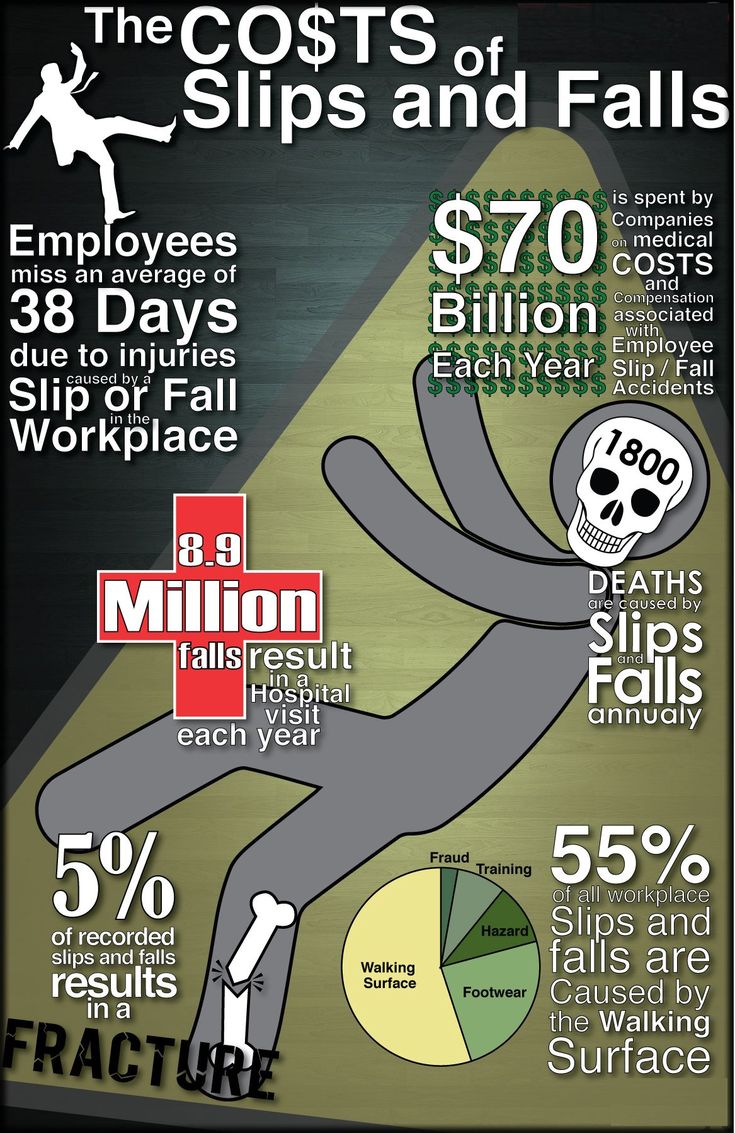
Experiencing a slip or trip accident on the road can be a distressing ordeal. Whether it occurs due to poor maintenance, environmental hazards, or negligence, knowing how to navigate the aftermath is crucial. Here is a comprehensive guide on what to do after a fall on the road.
Firstly, it is imperative to assess your immediate physical condition. If you find yourself incapacitated, do not rush to get up. Render yourself as still as possible and take a moment to gauge any pain or discomfort. Avoid moving if you suspect a serious injury, particularly to your spine or limbs. Alerting passersby for assistance can be valuable.
Once you have determined your capacity to move, seek out a safe location away from traffic. This will not only safeguard your wellbeing but also facilitate the gathering of information and help from others. Prioritizing your safety is paramount before taking any further steps.
Next, document the incident meticulously. This may involve taking photographs of the accident site, capturing the specific terrain that caused the fall, and any contributing factors such as wet pavement, uneven surfaces, or obstructions. High-resolution images will provide undeniable evidence should legal action be necessary.
Furthermore, it’s advisable to record the exact time and date of the accident. Write down your recollections of the events leading up to the fall while they are still fresh in your mind. Details such as weather conditions, visibility, and the presence of others can significantly bolster your account of the incident.
Gathering witness statements can prove invaluable. If there are bystanders or fellow pedestrians who witnessed your fall, politely ask for their contact information and consent to provide statements about what they observed. These accounts may corroborate your version of events and strengthen your case.
Seeking medical attention is a crucial next step. Regardless of whether the injuries seem minor initially, certain conditions may not manifest symptoms right away. A healthcare professional can conduct a thorough examination to ensure that injuries are identified and treated. Documenting your medical findings and treatment will be essential for any future claims.
After receiving medical assistance, it is pertinent to report the incident to the relevant authorities. If you fell on public property, contact the local council or governing body. For accidents occurring on private property, notify the property owner. Obtain confirmation that your report has been filed; this can be critical in demonstrating due diligence.
Should your injuries necessitate time off work or lead to additional expenses, keeping track of these developments is essential. Itemise any medical bills, lost wages, and other costs incurred as a result of the accident. This will be helpful for potential compensation claims.
Understand your rights concerning compensation. In the UK, individuals injured due to someone else’s negligence may be eligible for personal injury claims. Consulting with a solicitor who specialises in personal injury law can provide clarity on your options and guide you through the potential claims process.
When engaging with a legal professional, be prepared to share all gathered evidence, including witness statements, photographs, and medical records. Clear and comprehensive documentation can simplify the legal process and enhance your standing. Your solicitor will assess the viability of your claim and advise accordingly.
Know your timeline for making a claim as there are statutory time limits. Under UK law, claims for personal injury must generally be made within three years from the date of the injury. However, this can vary depending on the specifics of the case, so seeking professional advice promptly is prudent.
Connecting with support groups or counselling services can be beneficial. Navigating the aftermath of an accident can take an emotional toll. Engaging with others who have had similar experiences can provide solace and advice. These networks can also empower you to manage any anxiety or stress resulting from the incident.
Moreover, consider the broader implications of your fall. If it was caused by a dangerously maintained road or walkway, think about raising awareness regarding the safety hazards present. Submitting a report to local authorities or community boards could pave the way for improved safety measures, potentially safeguarding others from similar incidents.
Lastly, equip yourself with knowledge on preventative measures for the future. Wear appropriate footwear, be mindful of environmental hazards, and remain vigilant while navigating uneven surfaces or adverse weather conditions. Being proactive can significantly reduce the risk of similar accidents occurring in the future.
In conclusion, experiencing a slip or trip accident can have far-reaching effects—physically, emotionally, and financially. By following the steps outlined above, you can create a thorough approach to managing the aftermath of such incidents. Whether filing a claim for compensation or advocating for better safety measures, being informed and prepared can empower you to take control of your situation and influence positive change.






Leave a Comment