Short Answer
Creating an inspiring outdoor area for early years settings is essential for fostering creativity, exploration, and holistic development in young children. The natural environment serves as a dynamic backdrop where learning transcends the confines of traditional classrooms. By thoughtfully designing outdoor spaces, educators can cultivate a rich tapestry of experiences that engage children’s imaginations and ignite their curiosity. Here are several innovative ideas to transform early years outdoor areas into lively, interactive learning spaces.
1. Nature Discovery Zones
Establishing designated nature discovery zones invites children to explore the wonders of the natural world. These areas can feature a variety of textures, scents, and colours, creating a multisensory experience. Incorporating elements such as wildflower gardens, vegetable patches, or even a small pond can pique children’s interest in biology and ecology. Providing magnifying glasses and exploration kits encourages children to closely observe insects, plants, and wildlife. Such hands-on learning stimulates not just curiosity but also respect for the environment.
2. Creative Play Areas
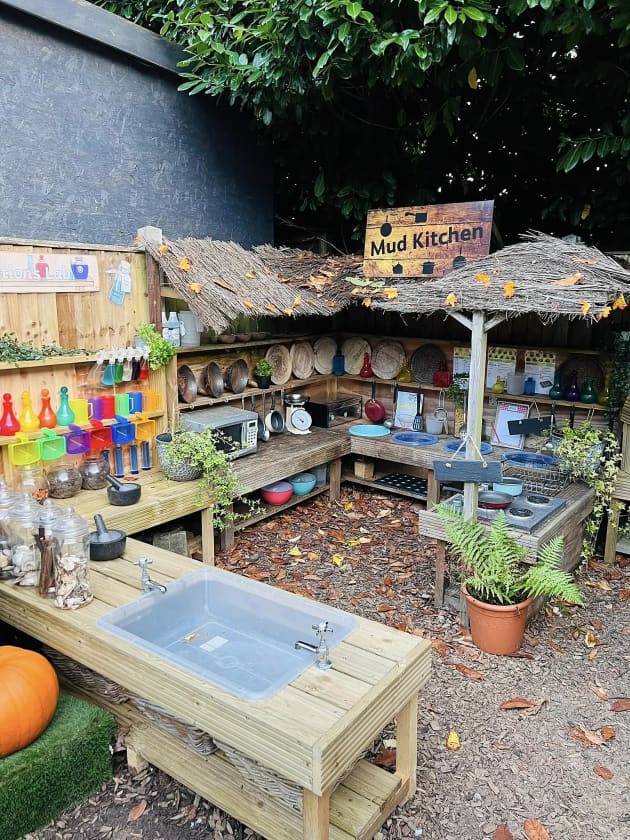
Transforming a segment of the outdoor space into a creative play area can significantly enhance imaginative play. Include various stations equipped with loose parts, such as wooden blocks, ropes, and recycled materials, allowing children to construct their own play environments. Encourage them to design shelters, vehicles, or imaginative worlds. This fosters not only creativity but also social skills as children negotiate roles and collaboratively build narratives. An area with chalkboards and easels equipped with natural pigments can further inspire young artists to express themselves freely.
3. Sensory Exploration Gardens
Creating a sensory garden can stimulate all five senses and promote cognitive development. Plant fragrant herbs like lavender and mint alongside vibrant flowers and textured plants such as lamb’s ear or ornamental grasses. Installing sound elements, such as wind chimes and water features, will further enhance this rich sensory experience. Children can learn about plants and wildlife while engaging in sensory play, experimenting with scents, and discovering different sounds, all of which can support emotional development and well-being.
4. Adventure Trails
Adventure trails provide children with the opportunity to physically challenge themselves and develop gross motor skills. These trails can incorporate various elements such as balance beams, climbing structures, and stepping stones. Incorporating natural materials like logs and boulders encourages risk-taking in a safe environment. As children navigate these paths, they learn about balance, coordination, and perseverance, all while enjoying the thrill of outdoor exploration. The excitement of traversing an adventure trail fosters a connection to the outdoors that will last a lifetime.
5. Water Play Stations
Water play is an essential component of early childhood education, promoting physical and cognitive skills. Install water tables or create flowing water pathways with low-maintenance materials. Children can engage in various activities, such as pouring, splashing, and floating objects, which not only enhance fine motor skills but also introduce basic scientific concepts like volume and displacement. Water play also fosters collaboration as children often engage in group play, negotiating roles and sharing resources in a playful manner.
6. Themed Learning Zones
Creating themed learning zones within the outdoor area can facilitate specific learning objectives while keeping children engaged. A ‘Construction Zone’ could include tools, hard hats, and building materials for budding engineers. Alternatively, a ‘Nature Theatre’ could provide a stage for storytelling and role play beneath the trees, inspiring oral language development and creativity. By rotating themes, educators can consistently refresh the outdoor learning experience, ensuring that it remains vibrant and engaging throughout the year.
7. Outdoor Reading Nooks
Establish a tranquil outdoor reading nook where children can immerse themselves in stories under the shade of trees. Incorporate comfortable seating, cushions, and inviting decorative elements such as fairy lights or natural canopies to create an enchanting atmosphere. This designated space can encourage a love for reading while providing a quiet retreat where children can unwind and explore literature at their own pace. Regular storytelling sessions held in this nook can further enhance language skills and foster a sense of community.
8. Art and Nature Fusion
Blend art with nature by incorporating outdoor art installations. Children can experiment with natural materials such as leaves, stones, and twigs to create transient art pieces. Paint murals using natural dyes made from vegetables or flowers, connecting creativity with environmental awareness. This fusion not only sparks creativity but also teaches children about local flora, fauna, and sustainable practices, thus instilling a sense of pride and stewardship for their surroundings.
9. Reflection and Mindfulness Spaces
A designated reflection area can encourage mindfulness and emotional well-being. Incorporate quiet corners adorned with natural seating areas, soft cushions, or hammocks that allow children to relax and contemplate their surroundings. Including elements like a small water feature, wind chimes, or inspirational artwork can create a serene environment conducive to relaxation and self-reflection. Teaching children to appreciate quiet moments in nature can foster emotional intelligence and resilience.
10. Community Engagement
Finally, consider engaging the local community in the development and enhancement of the outdoor space. Involving parents, local artists, and community organisations can help cultivate a sense of ownership and pride. Community-led workshops can provide opportunities for children to participate in gardening, art, or ecological projects, enriching their experiences and strengthening community ties. When children see their input valued, it reinforces confidence and wellbeing.
In conclusion, the potential of outdoor areas in early years settings is boundless. By thoughtfully designing spaces that prioritise exploration, creativity, and sensory experiences, educators can create dynamic environments that nurture curiosity and foster holistic development. Embracing the natural world as an integral component of early childhood education not only enriches learning but also empowers children to become mindful, imaginative, and resilient individuals ready to face the world.
FAQ
What are early years outdoor area ideas?
They are creative and thoughtfully designed outdoor spaces in early childhood settings that encourage play, exploration, and learning through interaction with nature and various sensory materials.
How do sensory gardens benefit young children?
Sensory gardens stimulate all five senses, supporting cognitive development, emotional regulation, and engagement with the natural world.
Why include water play stations in outdoor areas?
Water play enhances fine motor skills, introduces basic scientific concepts, fosters collaboration, and provides enjoyable hands-on learning experiences.
What role does community engagement play in outdoor area design?
Community involvement helps create a sense of ownership, enriches the learning environment, and strengthens social connections between children, families, and local organizations.




Leave a Reply