Short Answer
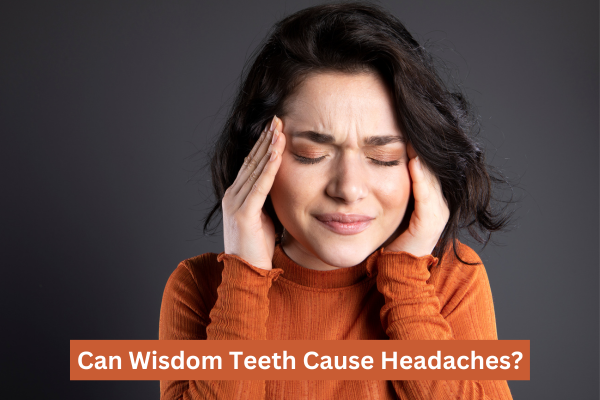
Teeth pain is often dismissed as a mere inconvenience, yet the connections between dental distress and headaches are profound and intricate. In this exploration, we delve into the ways in which oral health can ripple through the body, sparking discomfort that may manifest well beyond the confines of the mouth. This article promises to offer an enlightening perspective, challenging assumptions and illuminating the critical relationship between teeth and headaches.
The Anatomy of Pain
To grasp the phenomenon of how teeth pain can lead to headaches, one must first comprehend the anatomical nexus that binds the teeth, jaw, and cranium. The oral cavity is a densely populated area, filled with nerves, muscles, and blood vessels that not only serve the mouth but also have far-reaching implications for overall health. The trigeminal nerve, the largest cranial nerve, is a significant player here. It supplies sensation to the face, including the teeth, gums, and jaw muscles. In doing so, it creates a potential pathway for pain signals to be transmitted to the head, leading to headaches.
Types of Dental Pain and Their Headache Connections
Teeth pain can arise from various conditions, each with its potential for inducing headaches:
- Cavities and Tooth Decay: The presence of decay can lead to inflammation and heightened sensitivity. The resultant pain may trigger headaches, particularly if the dental issue escalates to an infection.
- Gum Disease: Periodontal disease, characterised by inflammation around the gums, can extend into bone loss. The inflammation not only localises pain but can also manifest as headaches due to the fever and discomfort that accompany infections.
- Wisdom Teeth Eruption: The eruption of wisdom teeth can be tumultuous, often resulting in pain and swelling that extends beyond the jawline, inducing tension headaches as individuals tend to clench their jaws unknowingly in response to the discomfort.
- Bruxism: Grinding teeth – often subconscious – can cause not only tooth wear but also headaches. The exertion of jaw muscles leads to fatigue and tension headaches, especially upon waking.
- Jaw Disorders: Conditions such as temporomandibular joint (TMJ) disorders can elicit both jaw pain and severe headaches. The jaw’s dysfunction affects muscle alignment and nerve function, resulting in discomfort that radiates to the head.
The Vicious Cycle of Pain
Understanding how teeth pain triggers headaches opens up a broader dialogue about the vicious cycle that often ensues. Pain in one area can lead to compensatory behaviours in another. For instance, toothache may cause adjustments in bite and posture, leading to muscle strain in the neck and shoulders, which can subsequently result in tension headaches. The brain, in its quest to mitigate discomfort, can amplify signals related to pain, making one acutely aware of both their dental issues and any developing headaches.
Stress as a Contributing Factor
Stress plays an integral role in both dental health and headache occurrence. When an individual is under stress, the body’s response mechanism can tighten jaw muscles and exacerbate conditions like bruxism. This elevated tension not only heightens tooth pain but can also lead to increased headache frequency and severity. The mind and body’s interconnectedness accentuates the importance of understanding stress management as a part of preventative care in both dentistry and overall health. It’s essential to recognise that maintaining dental health is pivotal to reducing stress-induced headaches.
Preventive Measures and Treatments
Addressing the nexus of teeth pain and headaches necessitates a multifaceted approach:
- Regular Dental Check-ups: Frequent visits to a dentist can nip potential issues in the bud. Early identification and management of cavities, gum disease, or malocclusion can prevent the escalation that leads to headaches.
- Oral Hygiene: Maintaining impeccable oral hygiene – brushing, flossing, and using mouthwash – plays a critical role in preventing dental pain, thereby safeguarding against subsequent headaches.
- Stress Reduction Techniques: Engaging in mindfulness practices, such as yoga and meditation, can significantly reduce stress levels, thereby alleviating the grinding of teeth and muscle tension.
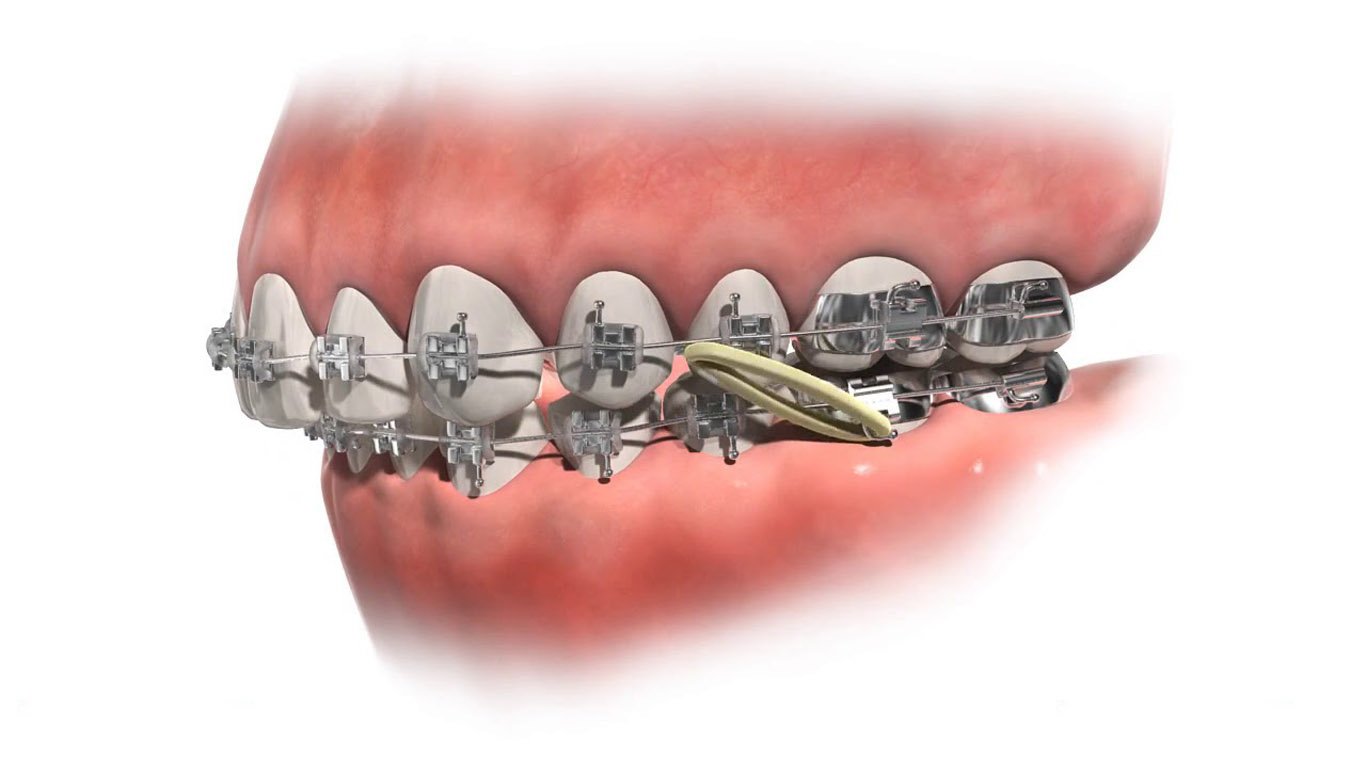
- Corrective Dental Procedures: Treatments such as mouthguards for those who grind their teeth at night, orthodontic work to correct misalignments, or even therapies for TMJ can mitigate the dual threat posed by dental pain and headaches.
Conclusion
The relationship between teeth pain and headaches is an intricate tapestry woven from anatomical, psychological, and behavioural threads. Understanding this connection shifts the perspective on dental health from mere oral hygiene to a critical component of overall well-being. As intriguing as it is complex, the interplay between dental and cranial discomfort forms a cycle that can be disrupted through proactive care and conscious lifestyle choices. Awareness is the first step towards healing, and armed with this knowledge, individuals can embark on a journey towards clarity, health, and restoration. The next time a headache strikes, consider looking beyond the obvious, for the source of discomfort may just lie within your dental health.
FAQ
How does dental health affect headaches?
Dental health impacts headaches through nerve connections and muscle tension caused by pain.
What types of dental issues can cause headaches?
Cavities, gum disease, wisdom teeth eruption, bruxism, and jaw disorders can all lead to headaches.




Leave a Reply