
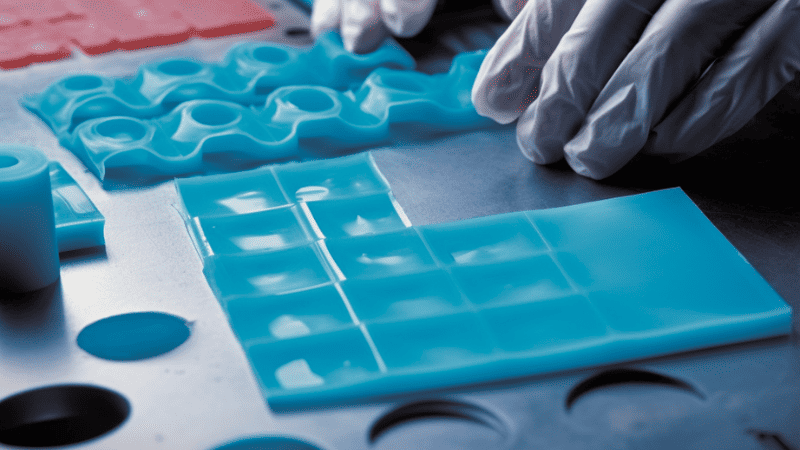
Silicone is a versatile material known for its elasticity, waterproof properties, and resilience against extreme temperatures. It has found its way into countless applications, from cookware to automotive parts. Yet, a question often posed by DIY enthusiasts and crafters alike is: does silicone stick to silicone? While that seems straightforward, the answer traverses a labyrinth of chemistry, surface properties, and practical bonding techniques that can either mystify or enlighten those venturing into the realm of silicone bonding.
To understand whether silicone adheres to itself, we need to delve into the intricate world of polymers. Silicone is a synthetic rubber composed of silicon, oxygen, carbon, and hydrogen. Its unique structure permits unmatched flexibility and durability. However, when two silicone surfaces are brought into contact, any attempt to bond them is influenced by several factors, including their surface energy, the presence of contaminants, and the adhesive employed.
First and foremost, it’s essential to understand that not all silicones are created equal. There are various grades and types ranging from high-temperature silicone to those used specifically for aquarium sealing. For instance, while most silicone caulks can adhere to many surfaces, they don’t always demonstrate a strong bond when joining two pieces of silicone together. This inconsistency arises due to the low surface energy of silicone, which obstructs effective bonding. Low surface energy means that silicone molecules are not particularly attracted to one another, making mechanical bonding challenging.
Although direct bonding between silicone surfaces may prove problematic, solutions are within reach. Here are essential techniques and methodologies that can be employed to foster reliable adhesion:
1. Surface Preparation
The first step in achieving effective silicone-to-silicone bonding is meticulous surface preparation. Cleaning the surfaces to be bonded is paramount. The presence of dust, oils, or other contaminants can significantly hinder the bonding process. A thorough wipe-down with isopropyl alcohol or a similar solvent ensures the surfaces are impeccably clean. Moreover, abrading the surfaces slightly with sandpaper increases the surface area available for adhesion, enhancing the bond’s efficacy.
2. Use of Silicone Adhesives
When bonding silicone to silicone, employing a high-quality silicone adhesive is indispensable. Products specifically formulated for silicone bonding, such as RTV (Room Temperature Vulcanising) silicone, contain chemical compounds that facilitate stronger bonds. The inherent properties of these adhesives promote better wetting and, thus, improve adhesion. Read product specifications carefully to ensure compatibility with existing silicone materials.
3. Primers – An Unsung Hero
While often overlooked, primers designed explicitly for silicone can dramatically enhance bonding success. These primers modify the surface so that it becomes more amenable to bonding with adhesive. They enhance the chemical and mechanical interlocking between the materials, significantly increasing adhesion strength. Applying a primer before the adhesive is an often recommended step in professional applications.
4. Curing Time: Patience is Key
Once your adhesive is applied, patience will yield remarkable results. Allowing adequate curing time is vital; silicone adhesives often need a longer period to fully set compared to traditional adhesives. Be sure to consult the manufacturer’s guidelines; rushing this process can result in a weak bond, leading to unforeseen failures down the line.
5. Heat and Pressure – Enhancing Bonding
In certain cases, applying uniform pressure and mild heat can markedly improve bonding. Heat can promote fluidity in the adhesive, allowing it to flow into microscopic voids between the surfaces, thus enhancing the bond. However, considerable caution must be exercised, as excessive heat could degrade some silicone types.
6. Testing for Success
After allowing proper curing time, subject the bonded silicone to a gentle but firm test. Applying light tension can help determine if the bond is secure. However, it is crucial to calibrate expectations. The strength of the bond might not equal that of the original material, but if the bond holds under light stress, you have successfully achieved silicone bonding.
Understanding the complexities of silicone adhesion elevates the knowledge of anyone embarking on a DIY project. It demystifies a common concern and unveils numerous techniques that can be employed to achieve successful results. The chemistry behind silicone bonding fosters a deeper appreciation for this remarkable material and the wonders it can create when mingled with ingenuity.
Whether one is embarking on a home repair, crafting a unique gift, or creating an intricate design, knowing how to bond silicone correctly is a valuable skill. As we explore the capabilities of silicone, we embrace the potential it holds within a myriad of projects. Knowledge and practice intertwine to reveal not just the answer to the question posed at the outset, but an invitation to experiment, innovate, and create.






Leave a Comment