Short Answer
As the world of automotive technology progresses, the need for efficient emissions control becomes ever more paramount. One pivotal component in this arena is the Diesel Particulate Filter (DPF). But how can you ascertain whether your vehicle is equipped with this increasingly common feature? The answer isn’t as straightforward as one might hope. Join us on this exploration to uncover what a DPF entails, its implications for vehicle performance and legality, and more importantly, how to determine if your car has one.
But first, let’s pose an intriguing question: “Is your car silently safeguarding the environment, or is it a hidden pollutant?” This dilemma may well lead you to a personal challenge: understanding your vehicle’s DPF status is crucial for maintaining its health, efficiency, and compliance with current legislation. So, how do you broach this topic, and what must you look out for?
**Understanding the Fundamentals of DPF**
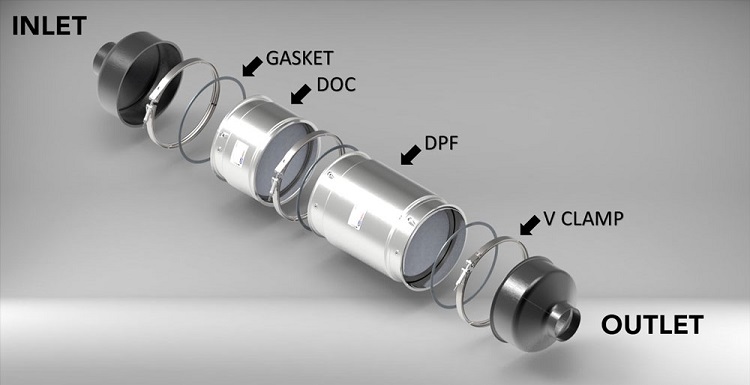
The Diesel Particulate Filter, in essence, serves as a critical component that captures and stores exhaust soot in diesel engines. It plays a crucial role in maintaining compliant emissions levels by reducing particulate matter (PM) released into the atmosphere. As environmental regulations tighten globally, it’s essential for vehicle manufacturers to integrate such technology into their models. After all, the air we breathe warrants preservation!
**Identifying Your Vehicle’s Configuration**
Before diving deep into the nuances of identifying a DPF, it’s essential to know whether your vehicle falls into specific categories. Typically, diesel engines, particularly those manufactured after 2008, are more likely to feature a DPF. Though petrol cars may also employ similar technology—such as Gasoline Particulate Filters (GPFs)—these are generally less common. So, what steps can you take to ascertain whether your car possesses a DPF?
1. **Consult Your Owner’s Manual**
A straightforward first step lies within your own documents. Your owner’s manual often contains vital information regarding the vehicle’s specifications and components. Look for sections detailing the exhaust system or emission control functions. If the manual is unavailable, don’t fret; there are alternative routes to explore.
2. **Examine Under the Bonnet**
With a modicum of mechanical knowledge and a trusty flashlight, take a look under the engine bay. The DPF is typically located close to the engine, just before the exhaust system branches off to the silencer. Identifying the filter can be tricky as it often resembles a large canister or cylindrical component made from metal. Familiarizing yourself with its distinct appearance can aid in your quest.
3. **Check Vehicle Registration Documents**
Your vehicle’s registration documents may also convey indispensable information. In the specifications listed, you may find clues regarding the emissions system. If not explicitly stated, registration databases in some jurisdictions may allow you to check the specifics of your vehicle’s compliance with emissions regulations, thereby highlighting the presence of a DPF.
4. **Utilise Technology**
In this day and age, technology can come to your rescue. Many vehicles now boast onboard diagnostic systems (OBD-I or OBD-II) that provide emissions-related alerts and statuses. Using a diagnostic scanner can be a game-changer, offering insights into your vehicle’s emissions systems, including the DPF. A mechanic can undertake this if you’re hesitant to dive into diagnostics yourself.
5. **Consult a Professional**
If all else fails, don’t hesitate to seek professional advice. A qualified mechanic can offer reassurance regarding your vehicle’s configuration. Not only can they verify the presence of a DPF, but they can also elucidate any concerns you may have regarding its functionality and maintenance.
**The Importance of a DPF**
Understanding whether your car has a DPF is fundamental for several reasons. A functioning DPF can enhance fuel efficiency, as well as overall vehicle performance, while failing to maintain it can lead to costly repairs over time. Furthermore, with increasing legislation surrounding emissions, local laws may pose penalties for vehicles that fail emissions tests due to a malfunctioning DPF. It’s imperative to ensure that your car operates efficiently and in compliance with legal standards.
**Common DPF Issues: A Cause for Concern?**
Once you establish whether your car has a DPF, you should be cognizant of common issues associated with these devices. Over time, a DPF can become clogged with soot and ash, necessitating a process known as regeneration to clear out the buildup. Failure to regularly regenerate or replace the filter could severely impact your vehicle’s efficacy and even lead to complete exhaust system failure.
**Conclusion: Embrace Your Knowledge**
In conclusion, the journey towards understanding whether your vehicle contains a DPF may not be straightforward, but it is undeniably essential. By employing the steps outlined above, you will not only gain insights into your vehicle’s configuration but also become an informed responsible driver. Ultimately, embracing this knowledge empowers you to take charge of your vehicle’s health, ensuring compliance with regulations while championing a cleaner environment. So, is your trusty steed equipped to protect our planet, or is it contributing to its detriment? The choice, and the knowledge, lies with you!
FAQ
What is a Diesel Particulate Filter (DPF)?
A DPF is a device fitted to diesel engines that captures and stores soot from the exhaust to reduce harmful particulate emissions.
How can I check if my car has a DPF?
You can check your owner’s manual, look under the bonnet for the filter, consult vehicle documents, use an OBD diagnostic tool, or ask a professional mechanic.
Why is it important to maintain the DPF?
Maintaining the DPF ensures your car runs efficiently, meets emissions regulations, and prevents costly repairs caused by filter blockages.
Can petrol cars have particulate filters too?
Yes, petrol cars may have Gasoline Particulate Filters (GPFs), but these are less common than diesel DPFs.
What happens if the DPF is clogged?
A clogged DPF can reduce vehicle performance, increase fuel consumption, cause warning lights, and may lead to exhaust system damage if not regenerated or cleaned.


Leave a Reply