
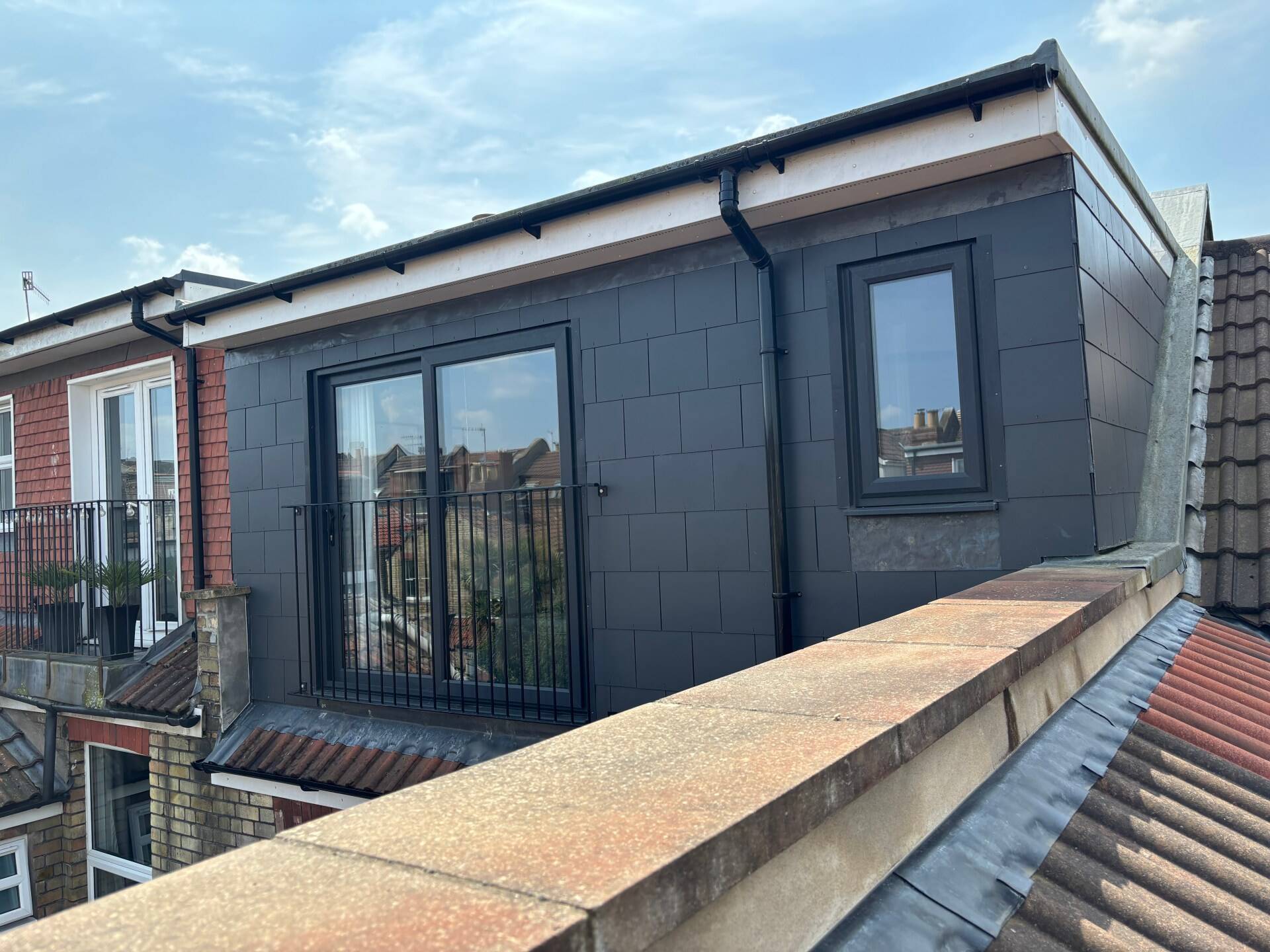
Attic conversions have become a popular solution for homeowners seeking additional living space without the need for extensive renovations or moving. They open up opportunities for creating an office, a guest room, or even a playroom for the children. However, one of the paramount questions that arise when considering such a transformation is whether or not planning permission is necessary. In the UK, the processes and regulations surrounding planning permission can be intricate and vary significantly depending on a variety of factors, including the dynamics of your property and its surroundings.
To navigate this complex landscape, let’s delve into the myriad aspects concerning planning permission for attic conversions in the UK, examining when it is required and the exceptions to the rules.
Understanding Permitted Development Rights
In many instances, homeowners might not need explicit planning permission for an attic conversion, thanks to what is known as ‘permitted development rights.’ This is particularly true for properties that fall under a specific category. Essentially, if your loft conversion meets certain criteria stipulated by the Town and Country Planning (General Permitted Development) (England) Order 2015, you may proceed without submitting a formal application.
- Volume Limitations: One of the cornerstones of permitted development is adherence to volume limitations. For most properties, the additional volume permitted is capped at 40 cubic metres for terraced houses and 50 cubic metres for detached and semi-detached structures.
- Design Aesthetics: The appearance of the conversion is pivotal. Any alterations must not exceed the height of the existing roof and should complement the overall aesthetic of the house. Moreover, if your property is in a conservation area, stricter guidelines may apply.
- Window Regulations: Maintaining privacy and preventing overlooking is crucial. Velux roof windows are typically acceptable, but alterations that involve side-facing windows might necessitate planning permission to mitigate privacy concerns.
These regulations often alleviate some of the administrative burdens typically associated with planning permissions, creating an encouraging atmosphere for those considering a loft conversion.
When Planning Permission Is Required
However, there are scenarios when planning permission becomes a necessity. Underestimating the need for formal approval can lead to substantial fines or mandated reversals of your conversion. Here are key situations to consider:
- Conservation Areas: Properties situated in designated conservation areas or national parks often face stringent restrictions. In such cases, even minor alterations could require full planning applications.
- Listed Buildings: If your home is a listed building, any form of significant alteration, including attic conversions, will almost certainly necessitate planning permission due to the historical integrity of the structure.
- Terraced Properties: For terraced houses, the planning requirements can be more convoluted. Extensions or alterations that may affect neighbouring properties might invoke a need for permission.
Before embarking on your attic conversion journey, it’s prudent to consult local planning authorities to ascertain whether your intended modifications affect any regulations.
The Importance of Building Regulations
Even when planning permission is not required, complying with building regulations remains essential. Building regulations are in place to ensure safety, functionality, and energy efficiency. They govern structural integrity, insulation standards, and fire safety measures.
- Structural Safety: An attic’s floor must be reinforced to bear the added weight of furniture and occupants. A qualified structural engineer can assess and advise on necessary reinforcements.
- Fire Safety: Regulations dictate the inclusion of fire doors, smoke alarms, and escape routes during a loft conversion. These elements are vital for ensuring the safety of the inhabitants.
- Insulation and Energy Efficiency: Adequate insulation not only improves comfort levels but also complies with energy efficiency standards. This may affect your choice of materials and construction methods.
These regulatory requirements exist not only to protect your investment but also to assure safety for you and your family.
The Process Of Obtaining Permission
Should you find that planning permission is indeed necessary, the following steps succinctly outline the typical process:
- Consultation: Engaging in an initial discussion with your local planning authority can provide insights into potential hurdles or requirements.
- Pre-application Advice: Many councils offer pre-application services to help gauge the feasibility of your proposal before formal submission.
- Application Submission: Complete the necessary forms and submit your proposal, ensuring that all supporting documents are included, such as plans and drawings.
- Await Decision: Typically, councils have up to eight weeks to publish a decision. This includes time for any required consultations or assessments.
Involvement of professionals, such as architects or planners, can enhance your application’s likelihood of approval by ensuring compliance with all necessary regulations and by helping you present a well-considered proposal.
Conclusion
The prospect of transforming your attic into a functional, beautiful space can significantly enrich your home. However, the complexities surrounding planning permissions and regulations necessitate careful oversight. Understanding both the potential for permitted development and the requirements for planning permission, along with building regulations, lays the groundwork for a successful and hassle-free conversion. Through diligence and due preparation, the dream of utilising your attic can become a reality, granting you the additional space you desire, all while remaining compliant with the law.






Leave a Comment