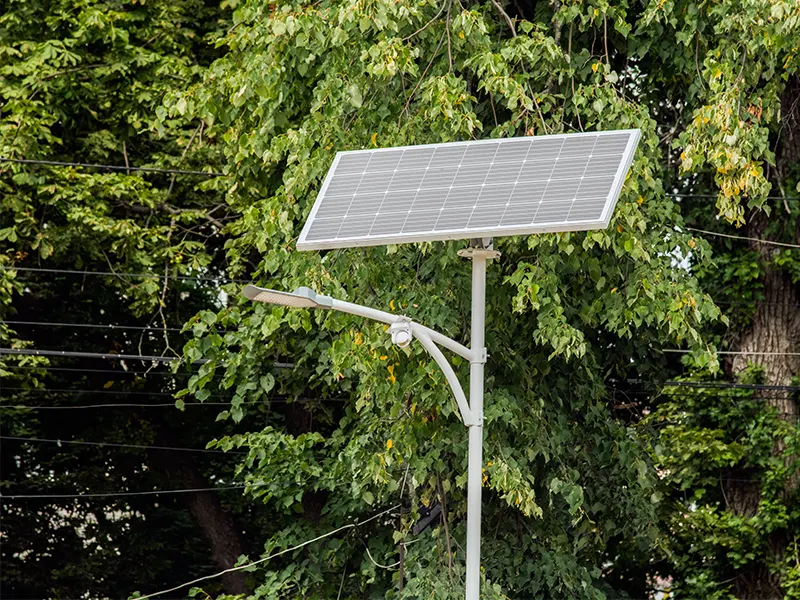
Short Answer
In the world of outdoor lighting, solar lights have emerged as a compelling alternative, especially for those keen on reducing their carbon footprint. Yet, despite their growing popularity, misconceptions abound. One of the most pervasive queries that often arises is: Do solar lights truly need direct sunlight to function effectively? Delving into this subject will dispel myths and illuminate the intricacies of solar technology, promising a shift in your perspective regarding these eco-friendly illuminators.
The Core Mechanics of Solar Lights
To grasp the functionality of solar lights, it’s essential to understand the underlying mechanics. Solar lights are equipped with photovoltaic cells, which convert sunlight into electrical energy. This energy is stored in batteries and then utilized to power LEDs after dusk. While the principle might seem straightforward, the efficiency of solar lights is often misconstrued, leading many to assume that only direct, unfiltered sunlight will suffice.
Myth: Solar Lights Require Full Sunlight
This myth, prevalent among potential solar adopters, suggests that solar lights are wholly dependent on bright, direct sunlight. In reality, solar lights can harness energy from diffused, indirect sunlight as well. While optimal exposure to direct sunlight maximises their potential, solar lights can still charge effectively on overcast days or in shaded conditions. Therefore, placing them strategically is paramount, as they can still absorb enough light to function adequately, albeit less efficiently.
Indeed, regions with fluctuating sunlight levels may still benefit from solar lighting. Those living in temperate climates or areas with frequent cloud cover will find that modern solar technology has advanced sufficiently to allow for reasonable charging, ensuring that nights are not left in darkness.
The Role of Battery Quality
The performance of solar lights is not solely contingent upon sunlight; the quality of the storage battery plays a pivotal role as well. High-quality lithium-ion batteries, for example, can store energy more proficiently and release it over an extended period. Conversely, lower-end batteries may become depleted quickly, leading to uneven performance irrespective of sunlight conditions. Investing in a solar light system with a reliable battery ensures that your illuminators shine more consistently, turning darkness into light regardless of direct solar exposure.
Placement is Paramount
Another critical factor influencing the efficacy of solar lights is placement. Solar lights should be positioned in areas where they can optimise exposure to available light. This means avoiding locations obstructed by trees, tall buildings, or other structures that could hinder their capacity to receive even indirect light. Consideration of the sun’s trajectory throughout the day may also inform placement, ensuring that solar units can collect maximum solar energy. For instance, placing lights in southern exposures can capture sunbeams more effectively in the northern hemisphere, during varying seasonal changes.
Debunking More Myths: Performance under Various Nights
An adjoining myth is that solar lights become ineffective as soon as daylight wanes. While it’s true that these lights depend on the stored energy gathered throughout the day, advancements in solar technology have produced models that provide illuminating performance for extended periods, up to 12 hours or more. Quality solar lights can maintain a consistent light output, enabling you to enjoy bright and enduring nights even when engulfed in darkness.
Enhancing Solar Efficiency
To elevate the effectiveness of your solar lights, consider incorporating additional elements into your outdoor space. Reflective surfaces, such as white walls or light paving stones, can amplify ambient light, consequently enhancing solar lighting. Additionally, utilising lights with motion sensors can conserve battery life. Motion-activated lights illuminate when movement is detected and turn off afterward, preserving stored energy for prolonged operation.
The Future of Solar Lighting
As technology continues to advance, the capabilities and designs of solar lights will only improve. Emerging innovations will likely enhance their efficiency in capturing lower levels of natural light, making them even more versatile for varied climates. Exploring cutting-edge trends, such as smart solar lighting integrated with IoT (Internet of Things), can further augment the user experience, allowing effortless control and energy management.
Final Thoughts: A Brighter Future Awaits
The perception that solar lights necessitate direct sunlight is indeed a misconception rooted in outdated information. Understanding the mechanics of solar technology reveals that these illuminators can operate efficiently even under less than ideal solar conditions. Proper placement, high-quality battery options, and well-timed purchasing decisions can further optimise their potential. This knowledge could transform the way you approach outdoor lighting, leading you to a more sustainable, environmentally friendly choice without sacrificing the clarity of your nocturnal milieu.
As society pivots towards sustainable solutions, embracing solar lighting is not merely a practical choice, but a testament to a commitment to preserving our planet. So, take a moment to reconsider your traditional lighting methods. The promise of a brighter, more sustainable night awaits with the power of renewable energy at your fingertips.
FAQ
Do solar lights need direct sunlight to work?
No, solar lights do not require direct sunlight to function effectively. They can charge using diffused or indirect sunlight, although direct sunlight maximizes their charging efficiency.
How does battery quality affect solar light performance?
High-quality batteries, such as lithium-ion, store and release energy more efficiently, allowing solar lights to perform better and illuminate longer than those with lower-quality batteries.
Can solar lights work in cloudy or shaded areas?
Yes, modern solar lights can function in cloudy or shaded conditions by charging with indirect sunlight, though their efficiency may be reduced compared to direct sunlight exposure.
How should solar lights be placed for optimal performance?
Solar lights should be placed where they can receive the most available sunlight, avoiding obstructions like trees or buildings, and considering the sun’s path to maximize energy absorption throughout the day.
What advancements improve solar light efficiency?
Recent advances include better photovoltaic cells, high-quality batteries, motion sensors to conserve energy, and integration with smart technologies like IoT for enhanced control and management.


Leave a Reply