Short Answer
Picture this: you’ve just completed your orthodontic treatment, and you’re given the shiny, clear retainer to wear every night. At this point, a playful question arises: “Will my retainer keep my teeth straight, or could it actually help in straightening them further?” While retainers primarily serve the purpose of maintaining tooth alignment post-braces, there is a fascinating interplay between their functionality and the ongoing quest for the perfect smile.
The essence of this matter lies in understanding the fundamental role of retainers. In the aftermath of braces, the bones and tissues surrounding your teeth are still in a state of transition. During this critical period, the steadfast commitment to wearing retainers is indispensable for preventing teeth relapse. The question now turns to whether retainers have the ability to actually straighten teeth beyond mere maintenance.
While their primary role is to safeguard the investment made during orthodontic treatment, some users may notice slight adjustments in tooth positioning when using retainers. This brings us to the first layer of our exploration – the types of retainers available today.
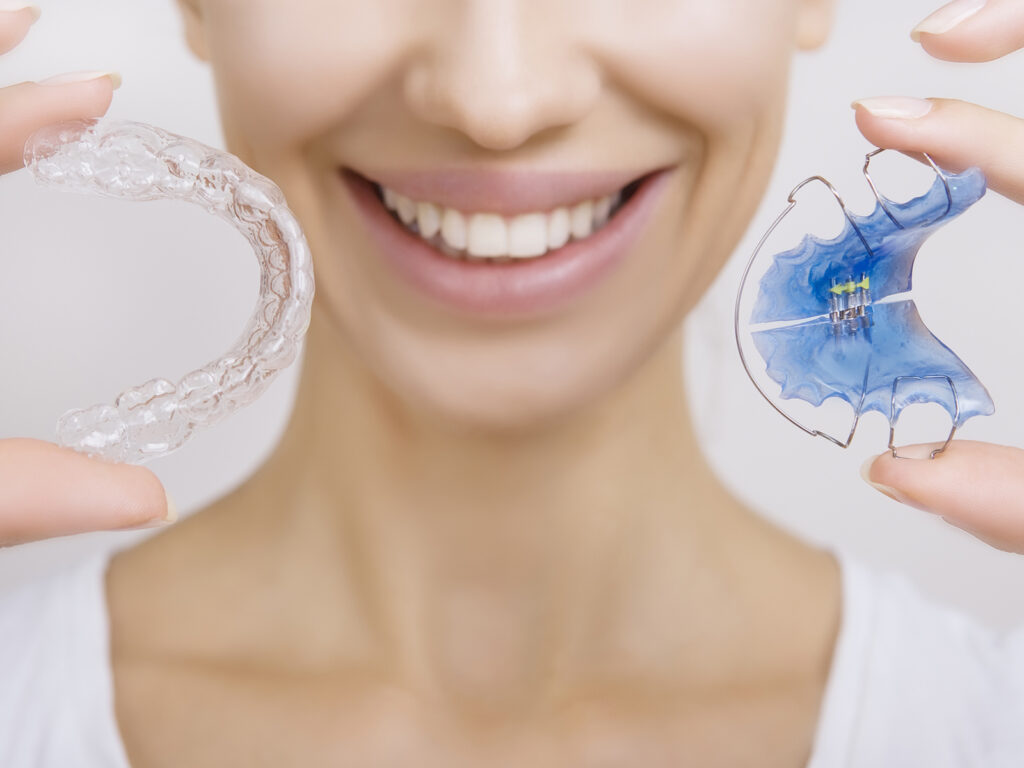
Retainers come in various forms, each with its unique advantages. The two most common types are fixed and removable retainers. Fixed retainers, often placed behind the front teeth, work silently yet effectively to keep teeth in their designated spots. On the other hand, removable retainers, such as the well-known Essix retainer or Hawley retainer, offer the flexibility to be taken out for eating and cleaning. Users are sometimes curious whether removable options might be less effective for long-term alignment; however, they can be just as efficacious when used correctly.
Next, let’s delve into the science of tooth movement. Teeth are anchored in the jawbone by periodontal ligaments, and shifting their position requires a delicate balance of force. When a retainer is worn, it applies gentle pressure against the teeth, which can sometimes result in subtle shifts. However, this process is markedly different from the orchestrated movements facilitated by braces, which apply more substantial pressure to effectuate significant changes in alignment over a deliberate timeframe.
Nevertheless, there may be unique circumstances whereby retainers inadvertently promote minor corrections. This is particularly true for those who possess mild crowding or misalignment that may have been only partially addressed during treatment. In such cases, diligent wear of a retainer can indeed assist in minimising slight imperfections, yet these results are akin to a whisper in the symphony of orthodontics: noticeable to some, but not revolutionary.
Addressing the elephant in the room, let’s consider the challenge posed by the tendency of teeth to shift over time. Life circumstances, dietary choices, and even the natural ageing process can lead to dental drift. Individuals may find themselves grappling with the effects of gravity—or perhaps, gravity on their pearly whites. This presents a compelling argument for the purpose of retainers: they not only maintain but can potentially counteract the forces that threaten to disrupt the harmony of a well-aligned smile.
To illustrate, let’s consider a hypothetical scenario in which an individual neglects their retainer for an extended period. Upon resuming its use, they might discover that their teeth have moved slightly, creating gaps or overlapping areas. Many users express hope that the retainer could revert their teeth to the original position. For some, this can mean a return to relative straightness, while others may require additional orthodontic interventions to achieve their desired results. Thus, it becomes clear that while retainers can assist in minor adjustments, they are not a panacea for all alignment woes.
Adherence to retainer wear is crucial. Experts often recommend wearing retainers nightly indefinitely after completing orthodontic treatment. This habit not only diminishes the chances of relapse but, in some instances, sustains the position of the teeth against factors that could prompt errant migrations. If you hearken to this sensible advice, you may evince a potpourri of both alignment stability and gradual, unintentional tweaks to your smile.
Furthermore, some practitioners may suggest that individuals be proactive about their dental health by scheduling regular check-ups. This allows for early detection of shifting teeth and can facilitate timely intervention. Enhancing oral health through routine dental visits and good hygiene practices complements the role of retainers while ensuring the longevity of their effects.
In conclusion, the question “Do retainers straighten teeth?” elicits a nuanced response. While their primary function remains one of maintenance, they may very well assist some individuals in achieving minor enhancements to their smile. However, the pursuit of a perfectly straight set of teeth should not depend solely on retainers; rather, they are but one cog in the intricate machinery of orthodontic care. Thus, armed with this understanding, individuals can embrace their retainers not merely as a tool for preservation but as a potential ally in their quest for a stunning smile.
The journey to optimal oral alignment is a collaborative effort between the individual and the orthodontist. With dedication, adherence to prescribed routines, and a sprinkle of patience, one can navigate the complexities of orthodontic aftercare effectively.
FAQ
Do retainers straighten teeth?
Retainers primarily maintain the position of teeth after braces. They can cause slight adjustments in some cases, but are not intended to straighten teeth.
What are the common types of retainers?
The main types are fixed retainers, bonded behind the teeth, and removable retainers such as Essix and Hawley retainers.
How important is wearing a retainer regularly?
Consistent retainer use is essential to prevent teeth from shifting back to their previous positions after orthodontic treatment.
Can retainers fix minor misalignments?
In some instances, retainers may help with slight corrections, but they are not a substitute for additional orthodontic treatment if significant misalignment exists.
Why do teeth move after braces?
Teeth can shift due to natural aging, dental drift, or not wearing retainers as prescribed, which is why retainers help maintain alignment.



Leave a Reply