
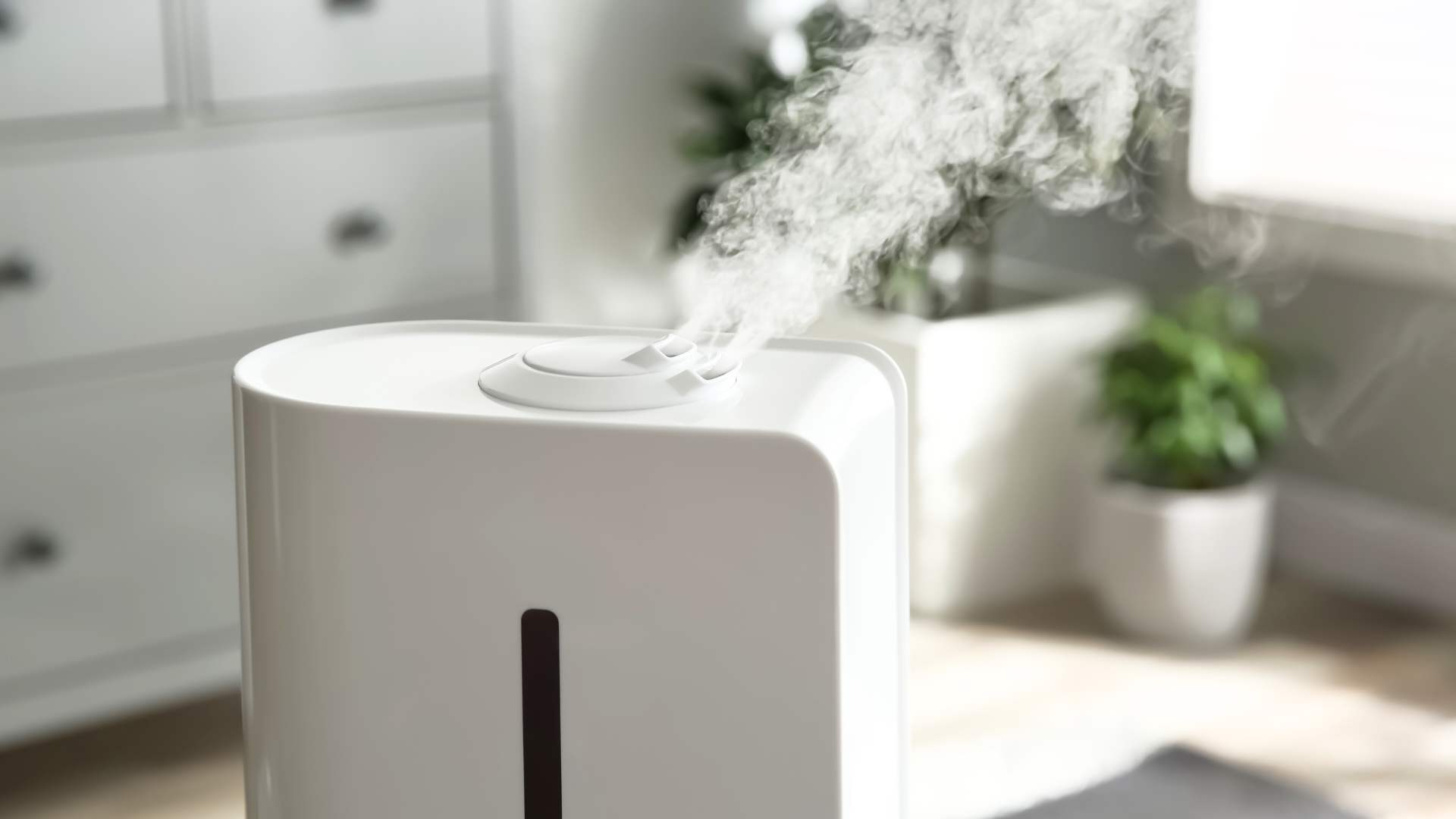
As the cold months creep in and the air turns uncomfortably dry, the transition from warmth to winter brings an age-old question to the forefront of many household conversations: do humidifiers cause mould? This pesky dilemma presents a potent combination of benefits and challenges that requires an in-depth exploration. Humidifiers are heralded for their ability to combat dry air, alleviating symptoms like dry skin and respiratory ailments. However, an unexpected consequence can arise from their innocuous presence—mould growth. But fret not! With a sprinkle of knowledge and a dash of diligence, you can understand, mitigate, and even prevent hidden damage from manifesting in your home.
**Understanding Mould Growth**
Before we delve into how humidifiers may contribute to mould growth, it is vital to grasp the conditions that foster fungal proliferation. Mould thrives in environments that boast heightened humidity levels, typically above 60%. They flourish in areas with poor ventilation, offering a veritable buffet of organic material to consume—think wood, paper, or even your precious textiles.
Now, picture this: you’ve just set up your brand-new humidifier to combat the bitterness of winter. However, if you unknowingly crank it up too high, the very device meant to improve your indoor air quality can become a breeding ground for mould spores. In short, it can be a delicate balance; trifling with settings could lead to a veritable ‘hotbed’ of hidden damage!
**The Connection Between Humidifiers and Mould**
Humidifiers play a pivotal role in maintaining the ideal humidity levels within our homes, especially during winter months when central heating systems dry out the air. However, without proper management, these devices might inadvertently produce an environment conducive to mould. Bacteria and mould spores can become airborne or settle on surfaces if they find a humid, stagnant environment. That said, their role is not inherently sinister; it is our usage and vigilance that dictate whether they become allies or adversaries.
**Identifying Your Humidifier’s Role**
The type of humidifier you choose significantly impacts the likelihood of mould generation. Cool mist humidifiers are favoured for their ability to disperse moisture without raising room temperatures. Nevertheless, they can contribute to excessive humidity if overused. Alternatively, warm mist humidifiers can promote a comfortable environment, but if not cleaned regularly, they can also produce vapour that contains contaminants.
Always monitor indoor humidity levels with a hygrometer. Keeping levels between 30% and 50% is advisable for optimal comfort and health. If humidity begins to approach the dangerous threshold, it may be time to reassess the situation.
**Prevention Techniques: Your Shield Against Mould**
1. Regular Maintenance: The mantra ‘cleanliness is next to godliness’ rings particularly true for humidifiers. Regularly clean your device according to the manufacturer’s instructions to prevent mineral buildup and microbial growth. This simple practice foreswears potential mould formation.
2. Optimal Placement: Position your humidifier strategically. Avoid corners of the room that may trap moisture. Instead, place it in an open area where the humidity can circulate freely. Encourage ventilation by opening windows occasionally to let fresh air circulate while reducing humidity.
3. Monitor Humidity Levels: Invest in a hygrometer to keep a watchful eye on both humidity and temperature. A well-regulated indoor climate will undoubtedly inhibit a mould presence and maintain your health.
4. Limit Duration of Use: Rather than running the humidifier continuously, use it only when necessary. For example, consider turning it off overnight, allowing time for the air to circulate and reduce any accumulated moisture.
5. Inspect for Moisture Build-up: Regularly check common areas for signs of excessive moisture. Look behind furniture, in closets, and even under sinks for any telltale signs of mould growth. Address leaks and damp spots immediately, ensuring that surfaces remain dry.
6. Choose Filters Wisely: Some humidifiers boast filters designed to prevent the growth of bacteria and mould. Opting for such features will diminish the likelihood of encountering issues, allowing you to breathe easier.
**Conclusion: A Harmonious Coexistence**
In the quest for cosy indoor breathing spaces, humidifiers can be a double-edged sword. They offer undeniable relief from dry air, yet they come with responsibilities that must not be overlooked. By adhering to best practices in maintenance and utilisation, you can bask in the lovely warmth of your humidifier while keeping mould firmly at bay. Are you ready to face the challenges with a proactive stance? The key lies in striking a balance—your humidifier can be your friend, as long as you wield it wisely.







Leave a Comment