
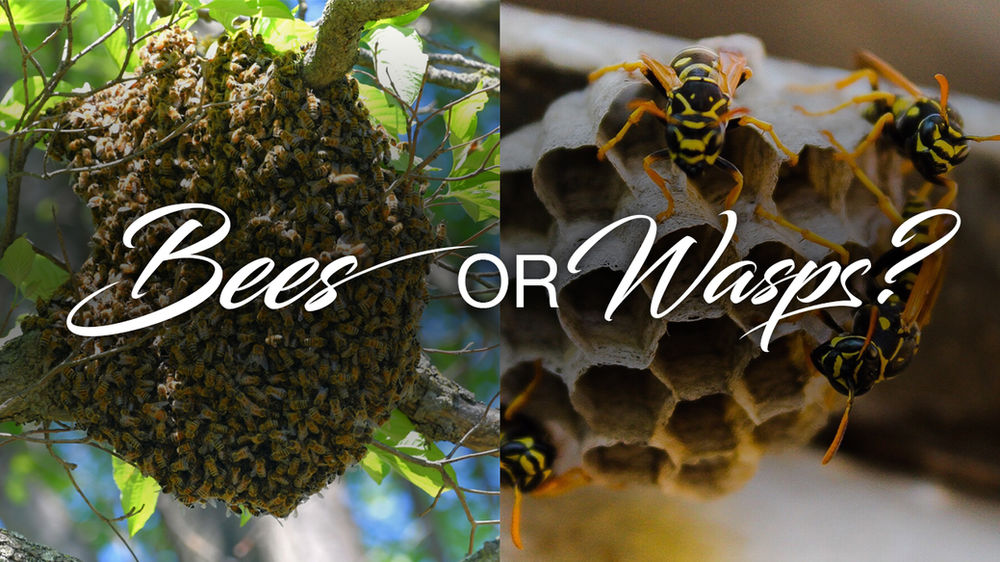
When venturing into the great outdoors, one may occasionally stumble upon two seemingly similar yet markedly different creatures: the honey bee and the wasp. These insects, adorned in contrasting attire, serve as nature’s little artisans yet possess distinct personalities that shape their interactions with the world around them. Understanding their differences is crucial—not merely to avoid an unwarranted sting but to appreciate their unique roles in our ecosystem.
Physical Characteristics: A Tale of Two Species
At first glance, honey bees and wasps might appear to be interchangeable, akin to two siblings, each wearing a mask of their own. However, closer inspection reveals a spectrum of differences that set them apart. Honey bees are typically robust, with a plump, furry body that brims with golden-brown hues. Their dense hair not only aids in the collection of pollen but also gives them a velvety appearance, almost as if they are dressed in a fuzzy coat at a grand ball.
In contrast, wasps tend to be the sleek athletes of the insect world. With their slender, elongated bodies accentuated by bright yellow and black stripes, they exude an aura of predatory elegance. Their smooth texture, lacking the dense hair of bees, gives them a somewhat more menacing presence as they hover about, alert and unyielding.
Behavioural Traits: The Art of Living
The behaviour of these insects further emphasises their distinct natures. Honey bees are often viewed as diligent workers, exemplifying perseverance and collaboration. They flit from flower to flower, collecting nectar and pollen, embodying a spirit of community as they return to their hive to contribute to the collective. Their role in pollination is invaluable, akin to master artists painting vibrant landscapes that will burgeon with floral beauty.
Conversely, wasps are more solitary in nature, often seen as the lone rangers of the insect kingdom. Their diet is decidedly more carnivorous, seeking out other insects, which they may prey upon with precision. The wasp’s approach is calculated, reflecting a predatory instinct that commands respect—a stark contrast to the honey bee’s amiable gathering. While bees may be busily engaged in their altruistic endeavours, wasps lie in wait, ready to seize any opportunity that presents itself.
Nesting Habits: The Homes They Build
The nests of honey bees and wasps are yet another distinct characteristic that mirrors their lifestyles. Humble yet intricate, honey bee hives, resembling living works of art, are constructed from beeswax and are often found nestled within trees or man-made structures. These sanctuaries are masterpieces of hexagonal cells, designed to store honey and nurture future generations. The hive pulsates with life, a mini-ecosystem teeming with industry and collaboration, where harmony prevails.
On the other hand, wasps erect their nests with a more utilitarian approach. Constructed from chewed wood fibres mixed with saliva, their nests often take the form of papery sacs, hanging like precarious clouds beneath eaves or tree branches. These nests are less wearable as homes and more like transient fortresses—an impermanent stronghold that reflects their temporary nature. They suggest a certain ferocity, a signal of their readiness to defend their turf when provoked.
Stinging Habits: The Unpleasant Surprise
When one contemplates the potential dangers these creatures pose, their stinging habits reveal a disconcerting truth. Honey bees carry a stinger designed for defence. When they sting, their barbed weapon remains embedded in the victim, ultimately leading to their demise—a bittersweet sacrificial act performed for the sake of their colony. The painful sting is often memorable, but it is accompanied by a sincere warning to remain at a respectful distance.
Conversely, wasps brandish a more insidious weapon. Their stinger is smooth, allowing for multiple stings—an unwelcome attribute that contributes to their reputation as aggressive fighters. When stung by a wasp, the pain penetrates deeply, often leaving victims, much like an unsuspecting bystander in a thrilling, albeit perilous, adventure. The warning is clear: tread carefully around these fierce predators.
Ecological Roles: Nature’s Balance
While one may instinctively recoil from these creatures because of their potential to sting, both honey bees and wasps play essential roles in maintaining the ecological balance. Honey bees, as celebrated pollinators, are pivotal for the proliferation of many plant species, thus ensuring the sustenance of our food supply. Their honey, a sweet bounty of nature, has been revered for millennia, offering both sustenance and enjoyment.
Wasp species, too, should not be underestimated. Acting as natural pest controllers, they help regulate insect populations, ensuring that no single species becomes overwhelmingly dominant. Their role, akin to nature’s meticulous balance keepers, highlights their importance in the intricate web of life.
Conclusion: Embracing the Buzz of Nature
As we navigate our outdoor adventures, the importance of recognising the distinctions between honey bees and wasps cannot be overstated. Both insects contribute uniquely to our environment—be it through the sweet symphony of honey bees or the lethal efficiency of wasps. By appreciating the nuanced characteristics and roles of each, we cultivate a harmonious relationship with these remarkable beings. We learn not only to co-exist but to celebrate the mesmerizing buzz of nature unfolding all around us.






Leave a Comment