Short Answer
The culinary world is a treasure trove of diverse and unique dishes, with regional specialities that often pique curiosity, but few comparisons arouse as much fascination as that of black pudding and white pudding. While they both promise rich flavours and hearty experiences, these two puddings boast vastly different ingredients, preparation methods, and cultural significance, beckoning food enthusiasts to unravel their distinct identities.
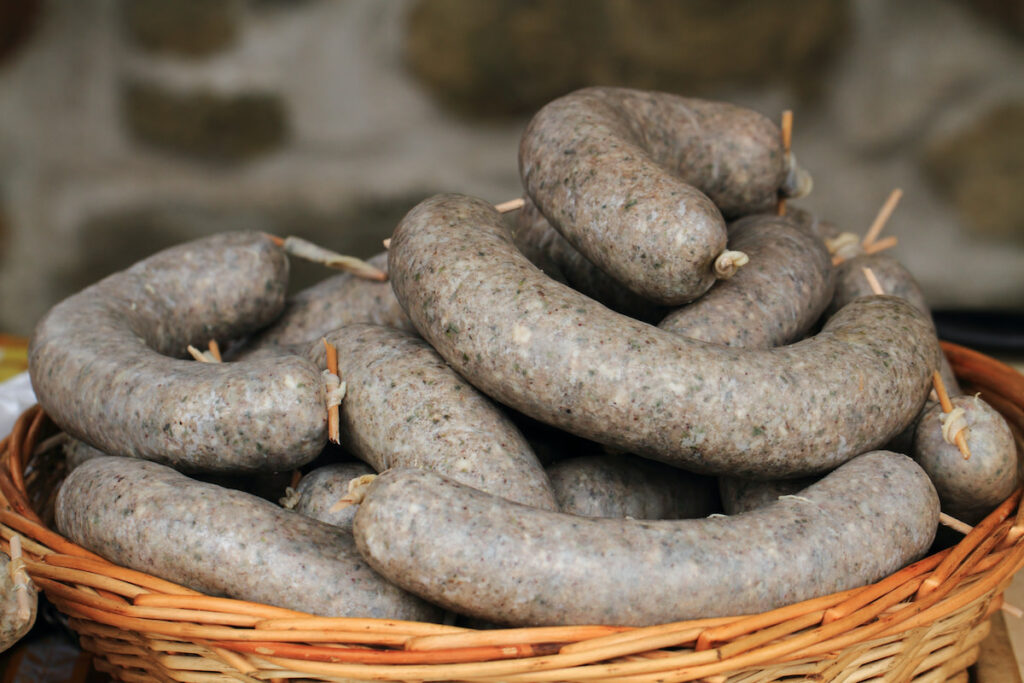
To embark on this gastronomic exploration, it’s crucial to define these two puddings. Black pudding, an illustrious staple in the British Isles, is made primarily from pork blood, fat, and a melange of spices. Its dark hue is a hallmark of its blood content, imparting an earthy and robust flavour that has captured the hearts—and stomachs—of many. Conversely, white pudding, while it may share the pudding moniker, distinguishes itself by eschewing blood altogether. Instead, this delight is crafted from a blend of oatmeal, suet, and spices, resulting in a paler, more subtle palette of flavours.
The epicurean lineage of these dishes stretches back centuries, with black pudding famously heralded as a traditional component of a full English breakfast. Its historical roots in agriculture manifest through the utilitarian use of every part of the pig, reflecting a time when resourcefulness was paramount in culinary practice. In contrast, white pudding, primarily associated with Ireland and parts of Scotland, offers its own backstory entwined with local grains and regional preferences, often featuring in breakfast dishes and festive occasions alike.
Let’s delve deeper into the ingredients that differentiate these two captivating foods. At the heart of black pudding, apart from its pivotal blood component, lies a rich tapestry of spices such as pepper, thyme, and sometimes even hints of herbs unique to local tradition. This aromatic complexity not only heightens its flavour profile but also contributes to its nutritional value, providing iron and protein. The textures within black pudding are nuanced—smooth but with a slight graininess from the added barley or oats, contributing to a satisfying mouthfeel.
White pudding, however, narrates a different culinary story. The absence of blood means that its flavour is less intense, often described as milder and more versatile. The principal component, oatmeal, lends a unique texture—a delightful chewiness that contrasts with the creaminess of the fat included in the mix. Spices such as nutmeg or mace may be included, imparting warmth and aromatic complexity, but generally, white pudding’s flavour tends to be more understated, allowing it to pair harmoniously with a wealth of breakfast items.
As we shift our focus to preparation, the traditional methods employed in crafting these puddings are equally enchanting. Black pudding is often stuffed into natural casings and then steamed or boiled. This process not only solidifies the pudding but also intensifies its flavours as the spices meld during cooking. Some regions embrace the practice of frying the slices before serving, bringing forth a crispy exterior that complements its soft interior, creating a delectable contrast that is hard to resist.
Conversely, white pudding takes on a slightly different approach. After combining its ingredients, the mixture is similarly encased and then boiled or steamed, although some variations may even result in a baked output. This method retains moisture, ensuring that the pudding maintains a tender consistency. Once cooked, it’s common to slice white pudding and sauté it to enhance its texture and flavour—a preparation that encapsulates the essence of breakfast indulgence.
Another significant aspect to consider is the cultural significance of these puddings within their respective regions. Black pudding enjoys celebrated status in English and Scottish culinary lore, often revered not only for its flavour but also its historical significance to the food wastage movement; it epitomises the ethos of “nose-to-tail” eating. Many even regard it as a local delicacy, celebrated through festivals and butcher competitions.
Meanwhile, white pudding commands affection within the Irish culinary tapestry. Its presence at traditional Irish breakfasts signifies warmth and hospitality, evoking nostalgia and community. The unique regional variations across Ireland, each boasting its own subtle spices and textures, reflect the provenance of local ingredients and cooking methods passed down through generations.
But what of the nutritional comparison? Both puddings hold their own as protein-rich food sources. However, the composition means that black pudding is often higher in iron content due to the blood used in its preparation, while white pudding tends to be richer in carbohydrates owing to its oatmeal content. This subtle distinction can influence personal dietary choices, making one more suitable depending on individual preferences and needs.
Ultimately, the comparison between black and white pudding illuminates the complexities of culinary heritage, tradition, and personal preference. While one may be intrinsically drawn to the robust and bold flavours of black pudding, the subtleties found in white pudding provide their own unique experience that should not be overlooked. Both are remarkable in their rights and offer opportunities for culinary exploration that tantalises the taste buds. As the world of gastronomy continues to evolve, understanding these regional delicacies not only enriches our palates but also deepens our appreciation for cultural distinctions that shape the food landscape.
In conclusion, while the differences between black pudding and white pudding may seem obvious at first glance, a deeper exploration reveals layers of complexity, regional pride, and personal taste. Each pudding tells a story, and in their simplicity lies a profound narrative of tradition, resourcefulness, and community bonding over a shared love of food. Whether served at breakfast, during a festive gathering, or as an tasting experience in its own right, these two puddings offer a captivating journey into the heart of culinary culture.
FAQ
What is black pudding?
Black pudding is a type of sausage made from pork blood, fat, and various spices, primarily popular in the British Isles.
What is white pudding?
White pudding is a sausage made without blood, typically consisting of oatmeal, suet, and spices, primarily associated with Irish cuisine.
How are black pudding and white pudding different?
The primary difference lies in their ingredients: black pudding contains blood, giving it a rich flavor, while white pudding is made with oatmeal and is milder in taste.
FAQ
What is black pudding?
Black pudding is a type of blood sausage primarily made from pork blood, fat, and spices, known for its rich flavor and dark color.
What is white pudding?
White pudding is a sausage made without blood, typically consisting of oatmeal, suet, and spices, known for its milder flavor.
How are black and white pudding prepared?
Both puddings are usually encased and boiled or steamed, with black pudding often fried before serving for added texture.
What are the nutritional differences between black and white pudding?
Black pudding is higher in iron due to its blood content, while white pudding is richer in carbohydrates because of its oatmeal.
FAQ
What is black pudding?
Black pudding is a type of blood sausage made primarily from pork blood, fat, and spices, known for its rich flavor.
What is white pudding?
White pudding is a sausage made from oatmeal, suet, and spices, without blood, offering a milder flavor.
How are black and white pudding prepared?
Both types of pudding are typically encased and boiled or steamed, with variations in cooking methods including frying for black pudding.
What is the nutritional difference between black and white pudding?
Black pudding is generally higher in iron due to its blood content, while white pudding is richer in carbohydrates due to its oatmeal base.
FAQ
What is black pudding?
Black pudding is a type of blood sausage primarily made from pork blood, fat, and spices, known for its rich flavor and dark color.
What is white pudding?
White pudding is a sausage made without blood, typically consisting of oatmeal, suet, and spices, resulting in a milder flavor.
How are black and white puddings prepared?
Both are traditionally encased and boiled or steamed, with black pudding often fried for a crispy texture, while white pudding may be sautéed after cooking.
What are the nutritional differences between black pudding and white pudding?
Black pudding is higher in iron due to its blood content, while white pudding tends to be richer in carbohydrates from oatmeal.
What cultural significance do black and white puddings hold?
Black pudding is celebrated in English and Scottish cuisine, while white pudding is a staple in Irish cooking, often featured in traditional breakfasts.
FAQ
What is black pudding?
Black pudding is a type of blood sausage traditionally made from pork blood, fat, and spices, known for its rich flavor.
What is white pudding?
White pudding is a sausage made without blood, typically consisting of oatmeal, suet, and spices, known for its milder taste.
How are black and white pudding prepared?
Both are usually encased, boiled or steamed, and can be fried for added texture, though black pudding often has a crisp exterior after frying.
What are the nutritional differences between black and white pudding?
Black pudding is generally higher in iron due to its blood content, while white pudding tends to be richer in carbohydrates from oatmeal.
FAQ
What is black pudding?
Black pudding is a type of blood sausage made primarily from pork blood, fat, and spices, known for its robust flavor and dark color.
What is white pudding?
White pudding is a type of sausage made without blood, typically consisting of oatmeal, suet, and spices, offering a milder flavor compared to black pudding.
How are black and white pudding prepared?
Both types of pudding are encased and typically boiled or steamed, but black pudding is often fried before serving to enhance its texture.
What are the cultural significances of black and white pudding?
Black pudding is often associated with English and Scottish breakfast traditions, while white pudding is a staple in Irish breakfasts, reflecting local culinary heritage.


Leave a Reply