
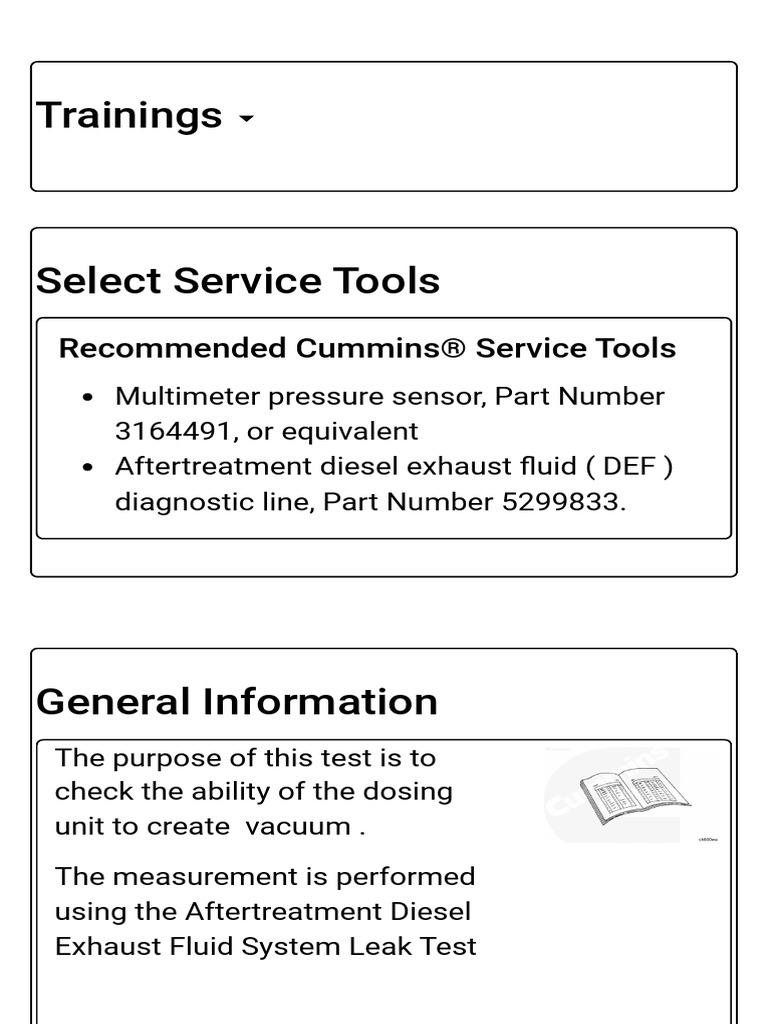
As diesel engines evolve to meet stringent environmental regulations, the importance of Diesel Exhaust Fluid (DEF) has surged. DEF plays a crucial role in reducing nitrogen oxide (NOx) emissions in diesel-powered vehicles, but what happens when the DEF dosing system malfunctions? This article delves into the intricacies of diesel exhaust fluid dosing malfunctions, exploring the myriad causes and their corresponding fixes.
Understanding Diesel Exhaust Fluid: To comprehend the gravity of DEF dosing malfunctions, it is essential to first understand what DEF is and how it functions. DEF, a mixture of urea and deionized water, is injected into the exhaust stream of diesel engines. This injection facilitates a chemical reaction that converts harmful NOx emissions into harmless nitrogen and water vapour. The reliability of this system is paramount for both environmental compliance and engine efficiency.
Common Causes of Dosing Malfunction: Despite DEF’s importance, various factors can lead to the malfunction of the dosing unit. Knowing these issues can empower owners and operators to identify potential problems before they escalate.
1. Contaminants in the DEF: One of the most frequent culprits behind dosing malfunctions is contamination. DEF is sensitive to impurities, and even a small amount of dirt or oil can cause the system to falter. When contaminants enter the DEF tank or lines, the dosing unit may struggle to function correctly, leading to poor engine performance and increased emissions.
2. Faulty Sensors and Valves: The DEF dosing system comprises various sensors and valves that monitor fluid levels and the amount of DEF being injected. A malfunctioning sensor can send erroneous signals to the engine control unit (ECU), resulting in incorrect dosing. Similarly, a clogged or malfunctioning valve could prevent the proper flow of DEF, triggering warning lights on the dashboard.
3. Temperature Extremes: DEF is sensitive to temperature variations. At extremely low temperatures, the fluid can freeze, leading to blockages in the dosing system. Conversely, high temperatures can cause degradation of the DEF, altering its chemical composition. Both scenarios can lead to significant dosing problems, often requiring immediate attention.
4. Software Issues: Modern diesel engines rely heavily on sophisticated software to manage various functions, including DEF dosing. Bugs within the software can lead to glitches in dosage calculations, potentially skewing performance metrics. Regular updates and maintenance can alleviate some of these challenges, but it is important to monitor software performance actively.
5. System Design Flaws: As with any mechanical system, design flaws can contribute to malfunctions. Manufacturers may inadvertently create systems that are more susceptible to failure under certain conditions, such as excessive pressure or inadequate venting. Understanding whether a particular vehicle model has known design deficiencies can be vital for fleet management.
Diagnosis of Dosing Issues: Once a potential malfunction is suspected, diagnosing the issue accurately is crucial. Here are several strategies for pinpointing the source of the problem:
1. Error Codes: Utilising diagnostic tools to read error codes generated by the vehicle’s ECU can provide immediate insights. These codes may indicate which part of the DEF system is underperforming, reducing guesswork and expediting repairs.
2. Visual Inspections: Performing thorough visual inspections of the DEF tank, lines, and dosing module can yield tangible clues. Look for signs of leaks, cracks, or any visible debris that could impede flow.
3. Fluid Quality Testing: Testing the quality of the DEF itself is a prudent move. Ensuring that the fluid is free of contaminants is essential for optimal system performance. Using a refractometer or other testing tools can help ascertain the DEF’s concentration and purity.
4. Examine the Heating System: In colder climates, the heating system designed to keep the DEF fluid functional must be evaluated. A failure in this subsystem can result in freezing and subsequent downtime, highlighting the importance of regular checks.
Fixes and Solutions: Upon identifying the root cause of the dosing malfunction, various remedies can be employed to rectify the situation:
1. Replace Contaminated DEF: If contamination is detected, draining the old fluid and replacing it with high-quality DEF is essential. Ensuring that containers and equipment used in transferring DEF are clean will prevent future issues.
2. Sensor and Valve Replacement: In cases where sensors or valves are malfunctioning, replacing these components is crucial. High-quality replacements and periodic inspections can enhance long-term reliability.
3. Address Temperature Concerns: For systems affected by extreme temperatures, consider using insulation or heating elements to protect the DEF and maintain fluidity.
4. Software Updates: Regularly checking for firmware updates from the manufacturer can mitigate software-related issues. Applying these updates can improve diagnostics and overall system performance.
5. System Design Modifications: For persistent issues related to design flaws, consulting with a specialist to explore modifications may be necessary. Engineers can develop tailored solutions that not only remedy the immediate problem but also enhance overall efficiency.
Conclusion: The implications of DEF dosing malfunctions extend beyond mere inconvenience; they touch upon ecological responsibilities and operational efficiency. Understanding the potential causes, diagnosing problems effectively, and implementing appropriate fixes can not only remedy the situation but also foster a deeper appreciation for the intricacies of diesel technology. With vigilance and care, operators can navigate this complex terrain, ensuring that their vehicles remain compliant and reliable.






Leave a Comment