Short Answer
In an era where self-expression is paramount, customised T-shirt transfers have emerged as a delightful avenue for creating personalised apparel that reflects individual personality and style. Engaging in do-it-yourself (DIY) projects allows for creativity to flourish while fostering a personal connection to the garments we wear. This comprehensive guide aims to navigate the diverse realm of customised T-shirt transfers, offering insight into the various types available, the application process, and tips for maximising your design’s impact.
Understanding Customised T-Shirt Transfers
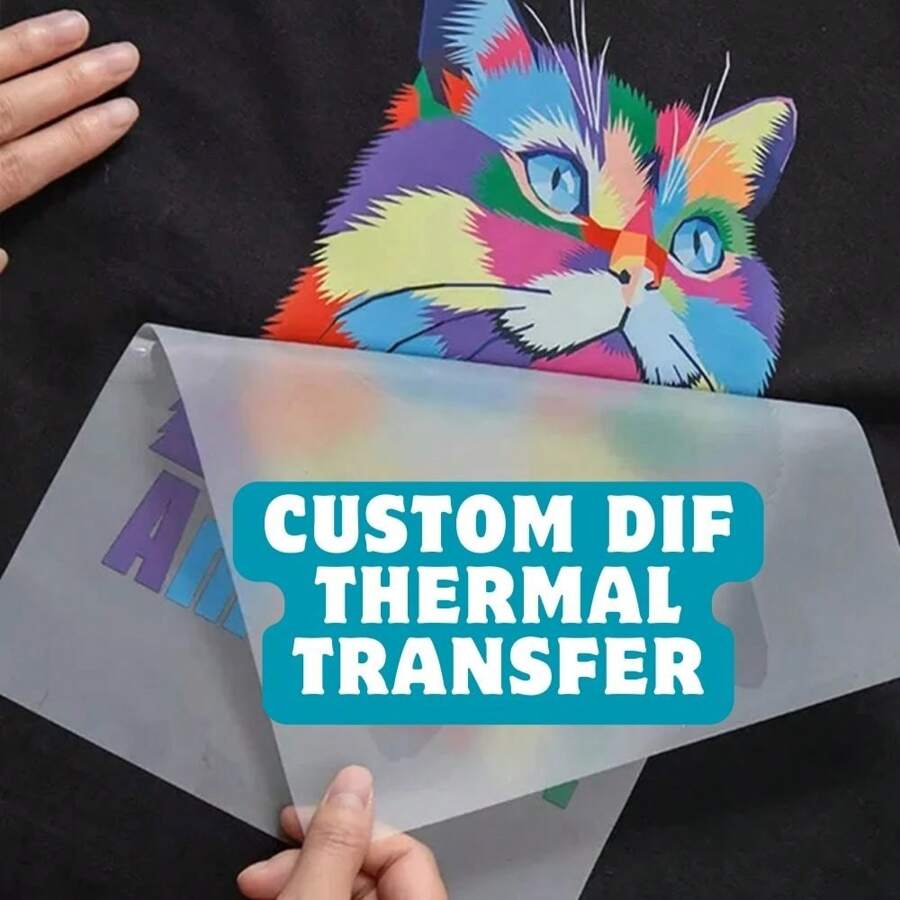
Before diving deep into the intricacies of customised T-shirt transfers, it is crucial to understand what they entail. Essentially, customised T-shirt transfers are designs that can be printed onto transfer paper, which is subsequently applied to fabric using heat. This method has gained popularity due to its convenience and the myriad of design possibilities it presents to enthusiasts and casual crafters alike.
The Spectrum of Transfer Types
The world of T-shirt transfers is not monolithic; rather, it encompasses several types, each suitable for different materials, techniques, and desired aesthetics. Below are the predominant categories:
- Heat Transfer Vinyl (HTV): A versatile option that involves cutting designs from coloured vinyl sheets. HTV is known for its durability and can be layered for a multi-dimensional effect. This type of transfer is especially favoured for creating bold graphics and lettering.
- Inkjet Transfer Paper: Ideal for digitally printed images, this transfer type is utilitarian for those with home printers. Inkjet transfer paper is suitable for printing intricate designs and high-resolution images, making it indispensable for photo-realistic prints.
- Sublimation Transfers: Predominantly used with polyester fabrics, sublimation transfers convert ink into gas, allowing for vibrant, permanent designs. This method yields soft prints that do not alter the fabric’s texture and is perfect for all-over designs.
- Screen Printing Transfers: Often employed by businesses for large runs, screen printing transfers involve creating a screen for each colour in a design. This technique allows for vibrancy and durability, making it an excellent choice for promotional items and team apparel.
Essential Tools and Materials
To embark on a DIY T-shirt transfer project, several tools and materials are required. Having the right equipment ensures a smoother process and enhances the overall result. Here’s a succinct list:
- Brand of Transfer Paper: Depending on the transfer type, secure the appropriate transfer paper compatible with your printer and fabric choice.
- Printer: An inkjet printer or a laser printer, depending on your transfer type.
- Heat Press or Iron: For applying heat and pressure, a heat press yields the best results. However, a household iron can suffice when used correctly.
- Cutting Tool: Whether it be scissors or a cutting machine, precise cutting will ensure a clean finish on vinyl transfers.
- Weeding Tool: Essential for removing excess vinyl after cutting intricate designs.
- Protective Paper: To safeguard your garment during the heat application process.
The Creative Process: From Design to Application
Now that the foundational understanding and tools are in place, the next step is embarking on the creative journey of designing and applying your customised T-shirt transfer. Below is a simplified guide:
- Conceptualisation: Begin by brainstorming ideas. What image or phrase do you wish to portray? Consider your audience or personal preferences, and gather inspiration from various sources.
- Design Creation: Utilise graphic design software such as Adobe Illustrator or free online tools like Canva to create your design. Ensure that the dimensions align with the size of the transfer paper and the intended T-shirt.
- Print Setup: Prepare your printer settings as per the transfer paper type. For inkjet transfers, ensure you print onto the correct side of the paper.
- Cutting (if applicable): For HTV, carefully cut out your design, using a weeding tool to remove excess vinyl carefully.
- Application: Position your design onto the fabric, covering it with protective paper. Employ a heat press or iron, following the specified temperature and time guidelines to achieve an optimal bond.
- Cooling and Peeling: Allow the transfer to cool before peeling away the backing. Observe the adherence; if peeling is challenging, reapply heat briefly.
Maintenance and Care for Your Custom Tees
Your customised T-shirt is a labour of love, and proper care will extend its lifespan. Follow these guidelines to preserve the integrity of your design:
- Always wash turned inside out in cold water.
- Avoid bleach and fabric softeners that may degrade the transfer.
- Opt for air drying rather than tumble drying to prevent heat damage.
- If ironing is necessary, do so on the reverse side, avoiding direct heat on the transfer.
Conclusion
Creating customised T-shirt transfers offers an enjoyable and gratifying way to express individuality. Whether for personal use, gifts, or small-scale business ventures, these custom garments can be tailored to fit any occasion. By understanding the different transfer types, employing the right tools, and following essential care tips, anyone can embark on this vibrant journey. Thus, unleash your creativity, and let your T-shirts speak volumes about who you are.
FAQ
What types of transfer methods are available for customizing T-shirts?
Common transfer methods include heat transfer vinyl (HTV), inkjet transfer paper, sublimation transfers, and screen printing transfers, each suited to different fabrics and design needs.
Can I use a household iron instead of a heat press for applying transfers?
Yes, a household iron can be used if a heat press is unavailable, but it requires careful temperature control and pressure application to achieve good results.
How do I care for T-shirts with custom transfers to maximize their lifespan?
Wash the T-shirts inside out in cold water, avoid bleach and fabric softeners, air dry instead of tumble drying, and iron on the reverse side if necessary.
What materials are best suited for sublimation transfers?
Sublimation transfers work best on polyester fabrics, producing vibrant, permanent designs without affecting fabric texture.


Leave a Reply