Short Answer
Concrete surfaces, whether in a garage, patio, or even within the confines of a residential home, deserve protection and aesthetic enhancement. Concrete paint and primer have emerged as essential materials in the realm of home improvement, providing not just a splash of colour but also forming a robust barrier against wear and tear. This comprehensive guide will delve into the various types of concrete paints and primers available in the market, alongside indispensable application tips to ensure a flawless finish.
Understanding Concrete Paint and Primer
Concrete paint is specifically formulated for use on concrete surfaces, offering durability and flexibility. It is designed to adhere to the porous nature of concrete while resisting chipping, fading, and water damage. Unlike standard paints, concrete paint accommodates the unique characteristics of concrete, such as expansion and contraction due to temperature fluctuations.
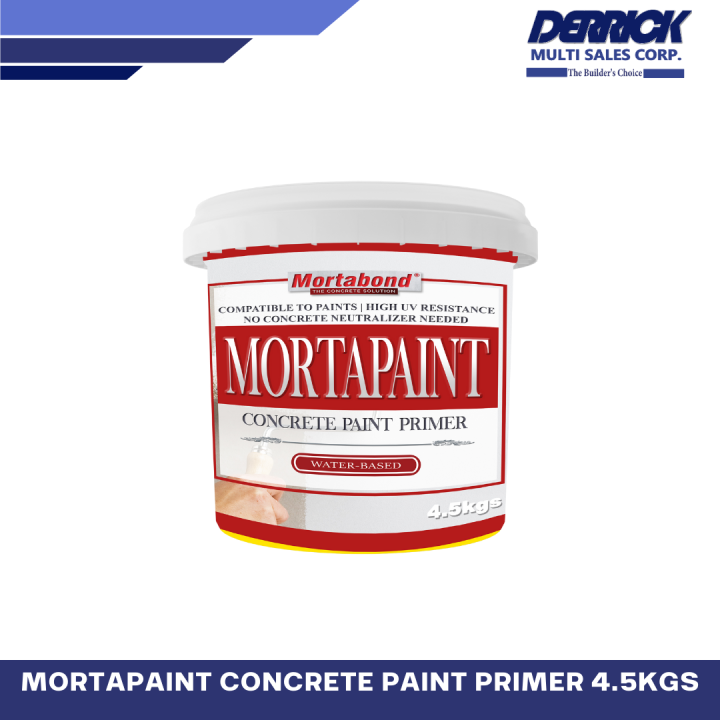
On the other hand, concrete primer plays a pivotal role in preparing the surface before paint application. Primers are generally used to create a smooth, even foundation which ultimately enhances paint adhesion and longevity. Utilising a primer can significantly extend the life of your paint job, reducing the likelihood of wear or flaking in the years to come.
Types of Concrete Paint
- Epoxy Paint: Epoxy paints are renowned for their exceptional durability, making them ideal for high-traffic areas. Composed of two parts—a resin and a hardener—these paints provide an impermeable finish that resists stains, chemicals, and impacts. They are particularly suitable for garages and industrial floors due to their robust nature.
- Acrylic Paint: Acrylic paints are water-based, offering easy application and a quick drying time. They are ideal for outdoor surfaces as they can withstand UV rays, preventing fade over time. Their flexibility allows them to expand and contract without cracking, making them a popular choice for patios and walkways.
- Textured Paint: For those looking to add a degree of slip-resistance to their flooring, textured concrete paint is an excellent option. This style contains tiny aggregates that provide a non-slip surface, enhancing safety without compromising aesthetic appeal. It can be especially advantageous in areas prone to moisture, such as pool decks.
- Concrete Stains: While not a traditional paint, concrete stains penetrate the surface and impart vibrant hues and a natural look. Unlike paint, stains allow the texture of the concrete to show through, creating a unique, marbled effect. They can also enhance the concrete’s water resistance, making them a practical choice for outdoor applications.
Choosing the Right Primer
There are several types of primers, each designated for specific applications:
- Water-Based Primers: These environmentally friendly primers are perfect for indoor applications. They dry quickly and produce minimal odours, making them ideal for spaces that require a swift turnover.
- Solvent-Based Primers: Offering superior adhesion and sealing capabilities, solvent-based primers are suitable for outdoor use. They can penetrate deeper into the concrete substrate, ensuring a tight bond that further enhances the longevity of the paint finish.
- Multipurpose Primers: These versatile primers can be used on various surfaces, making them an excellent choice for those looking to complete multiple projects. Always check the manufacturer’s guidelines to ensure compatibility with your chosen paint.
Preparation Steps Before Application
The success of your painting project hinges upon thorough preparation. Follow these steps to ensure optimal results:
- Clean the Surface: Remove any dirt, grease, or mildew using a pressure washer or a stiff broom. A clean surface allows for better paint adhesion.
- Repair Cracks and Pits: Inspect the concrete for any imperfections. Use a concrete patching compound to fill cracks or holes, ensuring a uniform surface that promotes an even coat of paint.
- Etch or Grind the Surface: For glossy surfaces, consider etching or grinding to roughen the texture. This helps the primer and paint adhere properly.
- Allow to Dry: Ensure the surface is completely dry before proceeding with priming or painting. Moisture can hinder adhesion and lead to blistering.
Application Tips for Best Results
- Use Quality Tools: Invest in high-quality brushes or rollers designed specifically for concrete applications. A good tool will reduce application time and improve finish quality.
- Follow Manufacturer’s Instructions: Each product has specific application guidelines, including drying times and recommended number of coats. Adhering to these ensures a successful outcome.
- Work in Sections: To avoid visible lines and uneven patches, work in manageable sections, applying the paint evenly and efficiently.
- Apply Multiple Coats: Depending on the type of paint and colour, multiple coats may be necessary to achieve the desired shade. Always allow appropriate drying time between each coat.
Maintenance and Longevity
Once your concrete paint job is complete, maintaining its appearance is crucial for longevity. Regular cleaning with mild soap and water will help prevent dirt build-up, while periodic inspections of the surface can preemptively address any wear or damage. In cases of heavy traffic, consider applying a maintenance coat of paint every few years to keep the surface looking fresh and new.
In conclusion, understanding the various types of concrete paint and primer, coupled with diligent preparation and application techniques, will elevate your home’s aesthetic and protect your investment. Whether you opt for epoxy paint in a busy garage or a decorative stain on a patio, the right materials and efforts promise results that endure through time.
FAQ
What is the purpose of using a primer on concrete?
Primers create a smooth, even foundation that enhances paint adhesion and extends the life of the paint job.
Can concrete paint withstand outdoor conditions?
Yes, especially acrylic paints and solvent-based primers are formulated to resist UV rays and weather elements.
Are textured concrete paints safe for wet areas?
Yes, textured paints contain aggregates that provide slip resistance, making them suitable for moist environments like pool decks.


Leave a Reply