Short Answer
Overview
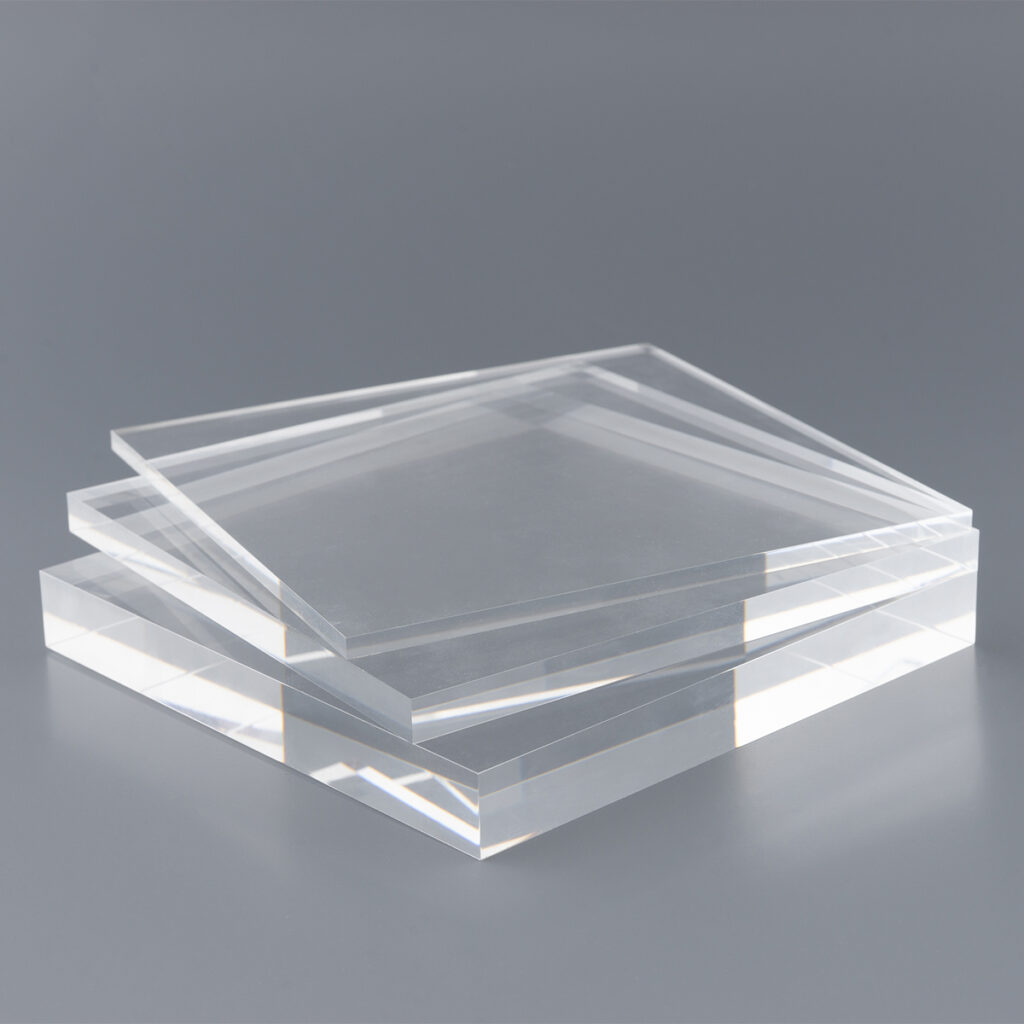
Clear Perspex acrylic sheets are a type of transparent thermoplastic known for their clarity, durability, and versatility. Often used as an alternative to glass, these sheets are lightweight and offer excellent optical clarity along with good impact resistance. Perspex is a brand name commonly used interchangeably with acrylic or polymethyl methacrylate (PMMA). Available in various thicknesses, clear Perspex sheets are employed in numerous applications including glazing, signage, displays, protective barriers, and DIY projects. The choice of sheet thickness depends on the specific use, required strength, and installation method.
History / Background
The material known as Perspex was first developed in the early 20th century as a synthetic alternative to glass. Chemically identified as polymethyl methacrylate (PMMA), acrylic was initially created in the 1920s and commercialized in the 1930s. The Perspex brand emerged in the United Kingdom and became one of the most recognized trade names for acrylic sheets. Over time, acrylic sheets gained popularity due to their shatter resistance, ease of fabrication, and optical properties. These sheets have since become widely used in both industrial and consumer products worldwide.
Importance and Impact
Clear Perspex acrylic sheets have had significant impact across various industries by providing a lightweight, durable, and clear alternative to glass. Their use in architecture and construction has enabled safer glazing options, while in retail and advertising, these sheets facilitate high-quality displays and signs. In healthcare and public spaces, Perspex sheets serve as protective barriers, especially highlighted during health crises like the COVID-19 pandemic. Additionally, their ease of cutting, shaping, and bonding has made them a staple material in manufacturing, crafts, and design, supporting innovation and customization.
Why It Matters
Understanding the uses and appropriate thickness of clear Perspex acrylic sheets is valuable for consumers, builders, designers, and hobbyists. Selecting the correct thickness ensures safety, durability, and cost-efficiency for intended applications—ranging from simple picture frames to large structural glazing. Being informed about buying considerations, such as sheet size, quality grades, UV resistance, and fabrication capabilities, helps users avoid common pitfalls and optimize performance. Clear Perspex sheets remain relevant due to their combination of transparency, strength, and adaptability in modern material applications.
Common Misconceptions
Perspex acrylic sheets are the same as glass.
While both are transparent, Perspex sheets are lighter, more impact resistant, and less prone to shattering than glass, but they can scratch more easily and have different thermal properties.
Thicker Perspex sheets are always better.
The appropriate thickness depends on the application; unnecessarily thick sheets add weight and cost without improving function if not required.
All Perspex sheets have the same quality and clarity.
Perspex sheets vary in manufacturing quality, UV resistance, and optical clarity; some grades are designed specifically for outdoor use or high-clarity needs.
FAQ
What thickness of clear Perspex sheet should I use for a window?
The suitable thickness depends on window size and expected stresses; typically, 3mm to 6mm sheets are used for small to medium windows, while larger installations may require thicker sheets for strength and rigidity.
Can clear Perspex sheets be used outdoors?
Yes, but it is important to select UV-stabilized grades designed for outdoor use to prevent yellowing and degradation from prolonged sun exposure.
How do I cut clear Perspex sheets safely?
Clear Perspex can be cut using fine-toothed saws, CNC routers, or scoring knives for thin sheets. Proper safety equipment and stable support are recommended to avoid cracking or chipping.


Leave a Reply