
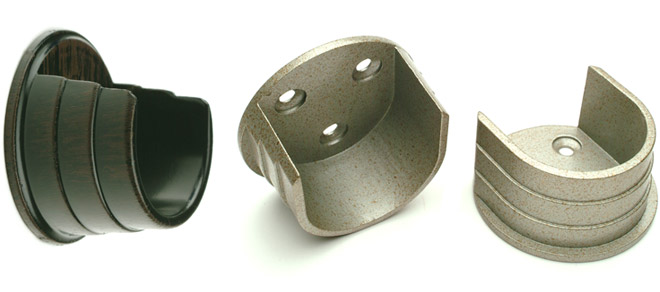
Ceiling curtain rod brackets offer an elegant solution for hanging drapery in a myriad of environments. Their understated presence often belies their crucial role in achieving both aesthetic appeal and functional efficacy within living spaces. The choices available can be overwhelming, but understanding the types, load limits, and installation techniques can elevate the interior design of your home, fulfilling both practical and stylistic aspirations.
Before delving into specifics, one must appreciate the various types of ceiling curtain rod brackets available. The selection ranges from fixed brackets to adjustable varieties, each designed to serve distinct purposes and suit diverse aesthetics.
1. Types of Ceiling Curtain Rod Brackets
There are several categories of ceiling curtain rod brackets to consider:
Fixed Brackets: These brackets are permanently affixed to the ceiling, providing a sturdy and reliable base for heavier drapery. Generally, they are ideal for displaying curtains that feature a more elaborate design, as they keep the fabric flush against the ceiling, creating a seamless flow.
Adjustable Brackets: These offer versatility, allowing you to modify the height and projection of the curtain rod. Ideal for those who might wish to change their window treatment styles frequently, adjustable brackets permit a level of adaptability that fixed options do not.
Clip-on Brackets: Particularly trendy in contemporary designs, clip-on brackets provide a minimalistic approach. These brackets allow curtains to be hung using clips that attach directly to the fabric, showcasing a clean and uncluttered appearance.
Corner Brackets: When grappling with architectural challenges such as bay windows, corner brackets are indispensable. They enable curtain rods to turn corners seamlessly, providing uninterrupted visual lines and ensuring complete coverage.
Choosing the correct type of bracket is fundamental not only for design but also for function.
2. Load Limits
Understanding the load limits of curtain rod brackets is paramount, especially when selecting heavy drapery fabrics. The weight of the curtains can vary dramatically depending on the material—from sheer fabric to luxurious velvet. Each type of bracket is engineered to support different weights, making it vital to assess the specifications before purchase.
Fixed and adjustable brackets generally have higher load limits due to their construction and distribution mechanisms. Many types of fixed brackets can support between 10 to 20 kilograms, accommodating even the heaviest of drapery fabrics. Conversely, lighter clip-on brackets may possess a lower load rating, typically supporting curtains that total around 5 to 10 kilograms. Always consult manufacturer specifications to ensure the integrity and safety of your installation.
Moreover, the compatibility of the entire system—including rods and rings—must be considered. The weakest link in the configuration could compromise the entire ensemble, resulting in sagging or even catastrophic failure. Thus, investing in a robust rod, coupled with the correct brackets, guarantees longevity and beauty.
3. Installation Guide
Once you’ve selected the appropriate type of ceiling curtain rod brackets and evaluated their load limits, the next step involves installation. A successful hanging begins with meticulous planning and measurement.
Start by measuring the width of your window and determining how far you want the rod to extend beyond the window frame. This practice helps enhance the visual appeal and allows for maximum light when the curtains are open.
Step-by-Step Installation:
- Gather Your Tools: You will need a drill, level, tape measure, pencil, and screws appropriate for the surface type (drywall, concrete, etc.).
- Mark the Spot: Using your measurements, mark the ceiling where each bracket will be installed. Use a pencil for easy correction.
- Drill Holes: Create holes for the screws by using a drill bit suitable for your ceiling material.
- Attach the Brackets: Secure each bracket in place, ensuring that all are level. As they are the foundation for your installation, this alignment is critical.
- Place the Curtain Rod: Once brackets are installed, position the rod into place. Adjust if necessary to ensure proper alignment and stability.
- Hang Your Curtains: Finally, secure your selected curtains, ensuring that they hang freely without any obstructions.
Additionally, the aesthetic appeal can be further heightened by using decorative end caps or finials that complement your interior decor.
4. Conclusion
Ceiling curtain rod brackets not only serve a utilitarian purpose but also embody a multifunctional design element within your living space. By comprehending the variety of available brackets, their load limits, and the installation process, you can transform the way your windows sing in unison with your home’s aesthetic.
Furthermore, with the right bracket choice, one can achieve a sophisticated ambience that resonates as much with functionality as with style. Every relaxed drape, every gentle fold of fabric suspended from the ceiling heightens the allure of a room, creating an inviting and inspiring environment. Discover the possibilities that lie in wait—one bracket at a time.






Leave a Comment