
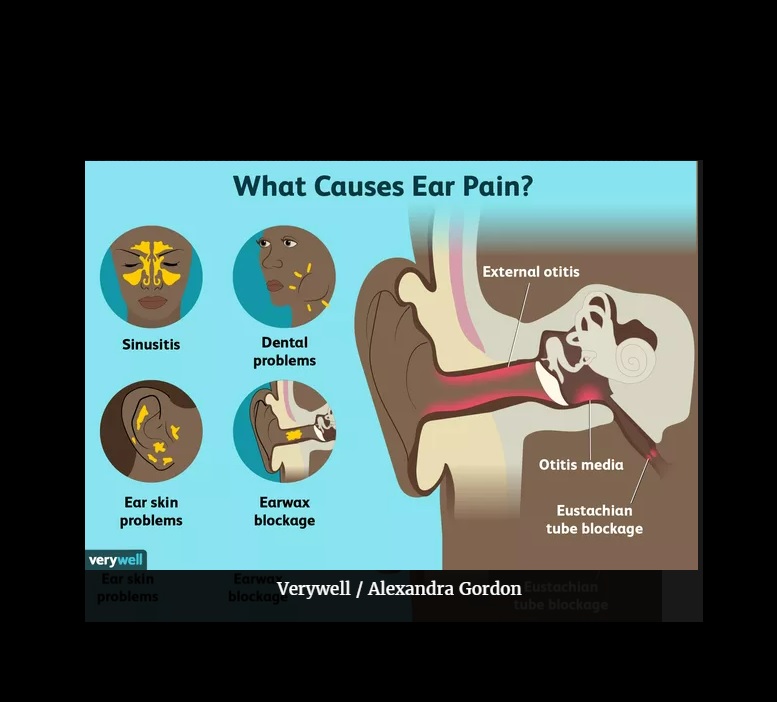
Experiencing ear pain alongside a toothache is a common yet perplexing phenomenon. Many individuals find themselves wondering if these two ailments are connected or if they merely coincide by chance. This article delves into the intricate relationship between tooth pain and ear discomfort, exploring the symptoms, causes, and providing practical relief tips for those caught in this uncomfortable overlap.
Understanding the Connection
The interplay between dental issues and ear pain can often be attributed to their shared anatomical pathways. The nerves that supply sensation to the teeth, particularly the upper molars, also branch into the ears. Therefore, when one experiences dental distress, it is not uncommon for the resultant pain to radiate and manifest in the ear region. This phenomenon can lead to significant discomfort, often sparking anxiety and confusion in patients.
Common Symptoms: Identifying the Overlap
Identifying the symptoms that accompany a toothache and ear pain is crucial for discerning their root causes. The following symptoms may be observed:
- Sharp, Throbbing Pain: This is often the hallmark of both conditions, creating a simultaneous sensation that can feel overwhelming.
- Referred Pain: Pain originating from the teeth may echo through to the jaw, and subsequently into the ear. Patients may describe a feeling of fullness or pressure in the ear.
- Tinnitus: Some individuals may experience ringing or a sensation of noise in the ear which can accompany tooth discomfort.
- Swelling or Inflammation: If an abscess or infection is present, it can lead to swelling in the face or neck, worsening accompanying ear pain.
- Difficulty Chewing: Jaw pain resulting from dental issues can affect one’s ability to eat, contributing to additional discomfort in the ears.
Potential Causes of Toothache-Induced Ear Pain
Several factors contribute to the occurrence of ear pain in correlation with a toothache. Understanding these causes can aid in identifying the appropriate course of action:
- Dental Infections: Abscesses or infected teeth can lead to widespread inflammation, affecting not just the tooth and surrounding gums but also the connective tissues that link to the ear.
- Sinusitis: The upper jaw and sinuses are closely linked. Sinus infections can cause tooth pain in the upper molars and may also create a sensation of pressure in the ears.
- Temporomandibular Joint Disorders (TMJ): TMJ dysfunction can lead to discomfort that radiates into the ear area, often exacerbated by dental pain.
- Bruxism: Grinding or clenching teeth, commonly known as bruxism, can create tension in the jaw and subsequently lead to ear pain due to the strain on muscles and tendons.
Approaching Relief: Practical Tips
Navigating the discomfort caused by interconnected tooth and ear pain can be daunting. However, various strategies may provide relief:
- Cold Compress: Applying a cold compress to the outside of the jaw or the ear can reduce inflammation and numb the pain. This can be particularly effective if swelling is present.
- Pain Relievers: Over-the-counter pain medications such as ibuprofen or paracetamol can alleviate discomfort in both the tooth and ear.
- Hydration and Humidifiers: Keeping hydrated and using a humidifier can help relieve sinus pressure that may contribute to ear discomfort.
- Dental Consultation: Visiting a dentist to address the source of the toothache is paramount. Treating dental infections or issues can relieve ear pain effectively.
- Warm Salt Water Rinse: Rinsing the mouth with warm salt water can soothe inflamed gums and help reduce bacteria in the mouth, benefiting both dental and ear health.
When to Seek Medical Attention
While many cases of toothache and ear pain can be managed with at-home remedies and over-the-counter treatments, there are instances where medical attention is warranted. If any of the following occur, it is essential to seek professional help:
- Severe pain that does not respond to over-the-counter medications.
- Fever or swelling in the face that accompanies the pain.
- Symptoms persisting for more than a few days without improvement.
- Signs of hearing loss or persistent tinnitus.
Conclusion
The nexus between tooth pain and ear discomfort is an intricate one, driven by shared nerve pathways and anatomical connections. Understanding and recognising the associated symptoms, underlying causes, and potential relief techniques can empower individuals to manage their discomfort more effectively. The association might seem mysterious, but with informed strategies and timely dental care, patients can navigate these perplexing pains and regain their comfort.






Leave a Comment