
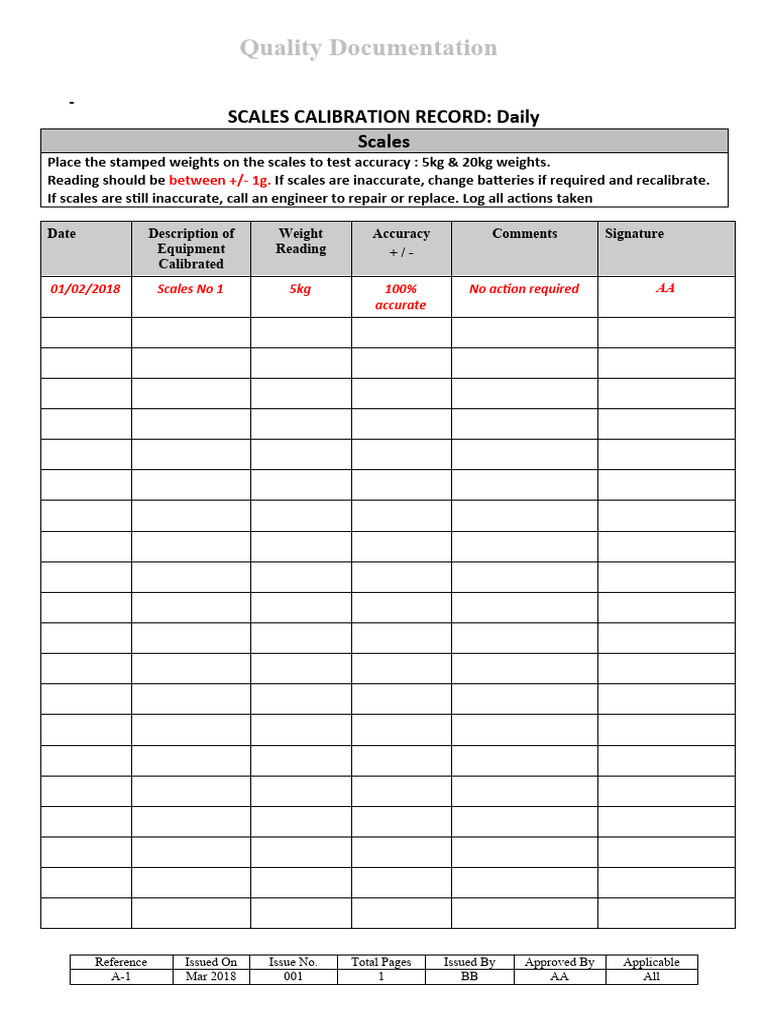
Calibration weights are pivotal components in ensuring the accuracy and reliability of scales used across various industries. They are integral in both laboratory and field settings, where precision is paramount, especially in sectors such as healthcare, research, manufacturing, and quality control. This article delves deep into calibration weights for scales, exploring different accuracy types, materials, and practical buying tips to help you make informed decisions.
Understanding Calibration Weights
Calibration weights, also referred to as calibration masses, are standard weights used to calibrate scales and balances. They come in a variety of forms, each designed with specific applications in mind. Utilizing these weights helps verify the accuracy of measuring instruments and ensures consistent results across all measurements.
Accuracy Types of Calibration Weights
Calibration weights are classified according to their accuracy, which is crucial for determining their appropriateness for a given scale. The classification includes several grades, typically defined by the International Organization of Legal Metrology (OIML) and other regulating bodies. Understanding these grades is fundamental for both suppliers and users of calibration weights.
- Class E1: This is the highest accuracy class, with tolerances that are tighter than those of Class E2 weights. These are used mainly in the most stringent laboratory environments where utmost precision is required.
- Class E2: Close in accuracy to Class E1, E2 weights are perfect for high-precision balances as used in laboratories. They suffice for applications demanding exact measurement standards but not requiring the extreme precision of Class E1.
- Class F1: These weights provide a good balance between cost and accuracy. They are widely used in calibration tasks for laboratory balances, offering suitable tolerances for most analytical purposes.
- Class F2: These less precise weights are used in general applications where exacting standards are not critical. Class F2 weights are beneficial for checking scales in a low-stakes or non-regulated environment.
Materials Used in Calibration Weights
The materials from which calibration weights are manufactured play a vital role in their performance and longevity. Different materials are chosen based on the desired characteristics, including density, corrosion resistance, and weight stability.
- Stainless Steel: A commonly used material due to its durability and resistance to corrosion. Stainless steel weights are excellent for general applications and offer good thermal and mechanical stability.
- Brass: Often chosen for its favorable density and stability, brass weights are less common than stainless steel but are still utilised in specific applications. They possess considerable resistance to wear and tear.
- Aluminium: Lightweight and cost-effective, aluminium weights are often utilised when portability is a priority. They are generally used in educational settings or where high accuracy isn’t paramount.
- Glass: Though not as commonly seen, glass weights are employed in certain laboratory settings where chemical resistance is necessary. Their inert nature means they won’t interact with other substances.
Key Features to Consider When Buying Calibration Weights
Choosing the correct calibration weight requires a keen understanding of certain key features that can significantly impact performance and reliability. Here’s what to consider:
- Accuracy Class: As discussed, the accuracy class is vital. It is essential to match the weight class with the requirements of your scales, keeping in mind the operational environment and compliance standards.
- Weight Tolerance: Different applications require different tolerances. Ensure that the weights you choose meet the specific tolerances relevant to your tasks.
- Certification: Opt for weights that come with a certificate of calibration or conformity. This is crucial for maintaining compliance with regulations, especially in professional environments where traceability is required.
- Size and Shape: Calibration weights come in various sizes and shapes, from standard cylinders to bespoke forms. The choice largely depends on the type of scale and its capacity.
- Cost and Budget: Calibration weights can vary significantly in price. While high-precision weights are typically more expensive, consider the long-term benefits of investing in quality products over cheaper alternatives.
Where to Purchase Calibration Weights
Procuring calibration weights can be done through multiple channels, including specialised equipment suppliers, online stores, and manufacturing companies. When selecting a vendor, ensure they have a reputable track record, verify their certification processes, and assess customer reviews. Investing time in research will pay off in long-term reliability.
Maintenance and Care
Proper care of calibration weights ensures their longevity and accuracy. Store weights in a protective case to prevent contamination or physical damage. Regularly inspect and clean them, avoiding harsh chemicals that could distort their surface and integrity. Additionally, ensuring weights are recalibrated periodically will uphold their performance over time.
Conclusion
Calibration weights are essential tools for maintaining the accuracy and reliability of scales used across various settings. By understanding the different accuracy types and materials, alongside making informed purchasing decisions, you can ensure that your measuring instruments remain precise and compliant with industry standards. A sound grasp of these aspects facilitates better operational efficiency and quality assurance in any measurement-related endeavour.






Leave a Comment