
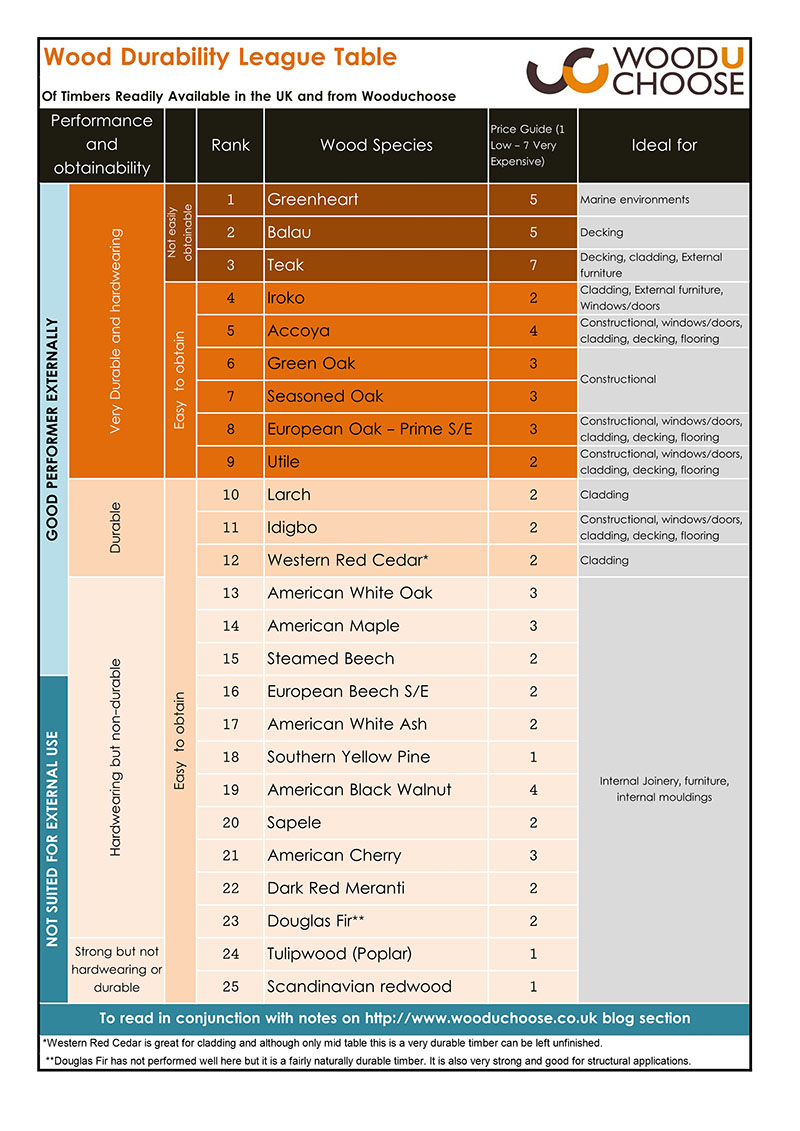
Choosing the best wood for table tops is akin to selecting a canvas for a masterful painting; the type of wood you select significantly influences not only the aesthetic appeal but also the longevity and maintenance intricacies of the piece. When deliberating over materials for your table surfaces, it’s essential to consider three critical attributes: durability, appearance, and maintenance. Each wood type possesses unique characteristics that impact these factors, so let us delve into the most suitable options for table tops.
1. The Pristine Elegance of Oak
Oak stands as a paragon of robustness and class. Known for its remarkable durability, oak is well-suited for both contemporary and traditional settings. This hardwood boasts a coarse and attractive grain that adds depth and character to any table. Notably, white oak is particularly renowned for its water resistance, making it a commendable choice for dining occasions that involve spills and splashes.
In terms of maintenance, oak requires periodic oiling to preserve its luster and protect it against wear. Yet, with the right care, an oak table can stand the test of time, enduring the hustle and bustle of daily life while retaining its magnificent charm.
2. The Timeless Allure of Walnut
Walnut, with its rich brown hues and exquisite grain patterns, captivates the eye and elevates the dining experience. This hardwood not only offers durability but also imparts an unparalleled elegance that many discerning homeowners aspire to incorporate into their interiors.
Its dense structure renders walnut relatively resistant to scratching and dents. However, while its opulent appearance entices many, it is essential to note that walnut tables can be more susceptible to fading under prolonged exposure to sunlight. Therefore, positioning walnut tables away from direct sunlight can help maintain their resplendent finish. Regular application of a suitable wood polish will ensure it retains its luminescence while making maintenance a breeze.
3. The Versatile Oak Alternatives: Ash and Maple
Ash and maple, while often overshadowed by oak and walnut, merit considerable attention. Ash offers a lighter, more modern wood aesthetic, complete with visible grain patterns that radiate vibrancy. Its impressive resilience to warping and its excellent shock resistance make it a savvy selection for table tops subjected to rigorous use.
On the other hand, maple, with its finer and more uniform grain, presents a subtler beauty. It is highly durable and resistant to scratches, making it ideal for families with children. Both options require similar maintenance methods, predominantly cleaning with a damp cloth and periodic waxing to enhance their natural sheen.
4. Exotic Choices: Teak and Mahogany
For those seeking something beyond traditional woods, teak and mahogany offer a luxurious allure. Teak, famed for its tropical heritage, is imbued with natural oils that confer incredible water resistance. This quality makes it exceptionally suitable for outdoor dining tables, ensuring longevity even in varying weather conditions. The rich amber tones of teak mature beautifully, requiring minimal maintenance aside from occasional oiling to sustain its vibrant allure.
Mahogany, conversely, shines magnificently in interior environments. Its deep reddish-brown timber radiates warmth and sophistication. Although it is slightly less durable than teak, it compensates with an ornate and timeless aesthetic that is hard to match. To protect its beauty, regular polishing and avoidance of excessive moisture are recommended, securing its position as a coveted table choice for sophisticated settings.
5. Sustainable Options: Bamboo and Reclaimed Wood
As the quest for sustainable living gains momentum, bamboo has emerged as a striking contender in the world of table tops. Although technically a grass, bamboo possesses an incredible tensile strength, making it notably durable. Its light colour can brighten a space while offering a modern aesthetic. Furthermore, its rapid growth ensures it’s an eco-friendly choice, requiring minimal maintenance while providing exceptional resistance to wear and tear.
Conversely, reclaimed wood offers the charm of history and character, often presenting a mélange of textures and shades that invoke a sense of timelessness. With countless species available—from the beloved pine to the unique old-growth fir—this option allows homeowners to contribute to environmental consciousness while enjoying the unique story of each piece. Maintaining reclaimed wood entails keeping it clean and occasionally applying a wood conditioner, ensuring its versatility remains intact.
6. Conclusion: The Right Choice for You
Ultimately, the best wood for your table top hinges on a tapestry of personal preferences, encompassing not only the desired aesthetic but also the practicalities of durability and maintenance. Whether you gravitate towards the classic appeal of oak, the luxurious charm of walnut, or the sustainable virtues of bamboo, each option reflects your unique style and values. Indeed, a well-chosen wood table top serves not just as a functional item but as a statement piece—a gathering point for conversations, memories, and moments shared. Embrace the world of possibilities as you select the ideal wood, and let your table reflect the heart of your home.







Leave a Comment