Short Answer
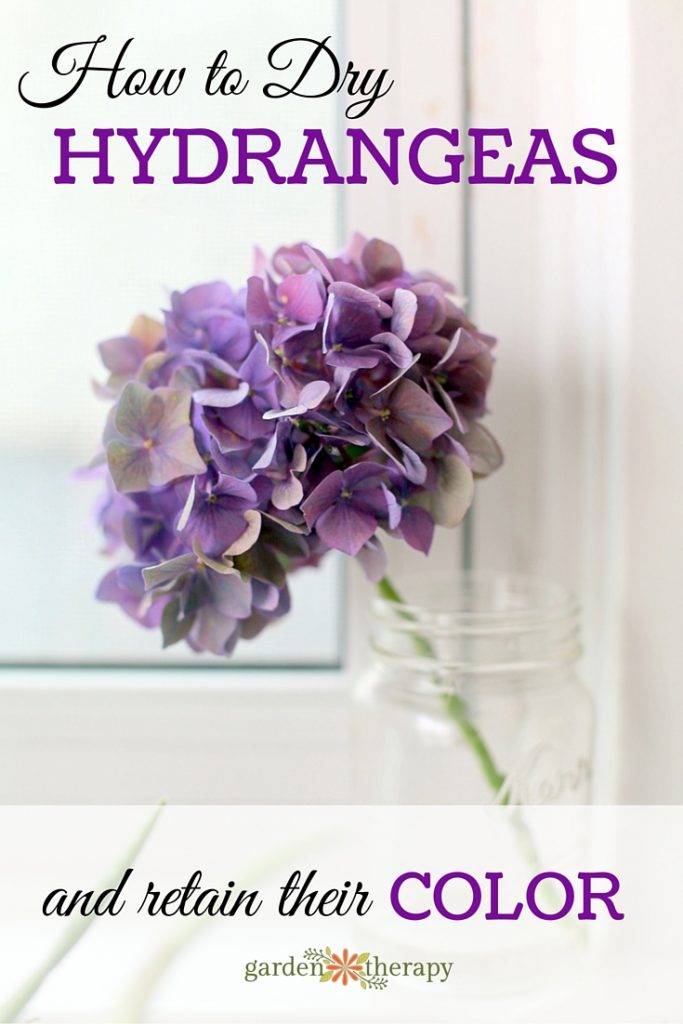
Hydrangea flowers captivate with their voluminous blooms and enchanting hues. Their deep blues, soft pinks, and creamy whites invite admiration, but their fleeting beauty often leaves one pondering how to preserve these botanical treasures. To encapsulate the elegance of hydrangeas beyond their natural lifecycle, several preservation methods can yield spectacular results, ensuring that this floral splendour can be cherished for seasons to come.
The first step in any preservation endeavor is selecting the right moment to harvest your hydrangeas. Ideally, the optimal time for picking is just before the flowers reach their full bloom. This pivotal juncture ensures that the petals possess sufficient moisture yet maintain structural integrity. Additionally, harvesting on a dry day enhances the longevity of the preserved flowers, minimising the risk of mould during the drying process.
Once the hydrangeas have been selected and cut, various augmentation methods beckon, each with its unique charms and practical applications. Below, we delve into several easy preservation techniques that cater to different aesthetic preferences and functional needs.
Air Drying: A Time-Honoured Technique
The most traditional method of preserving hydrangeas is air drying, a straightforward approach that allows the flowers to maintain their natural form. To accomplish this, one must gather the hydrangeas into small bunches, securing the stems with string or rubber bands. It is prudent to remove excess foliage, as this can harbour moisture, potentially leading to deterioration.
Once bundled, hang the hydrangeas upside down in a dimly lit, well-ventilated area. The absence of direct sunlight is crucial, as it can cause the vibrant colours to fade. Depending on environmental conditions, this method may take anywhere from one to three weeks. The allure of air drying lies not only in its simplicity but also in the rustic charm it brings to any décor.
Using Silica Gel: A Quick Modern Method
For those seeking an expedited approach, silica gel presents an extraordinary solution. Silica gel allows for rapid moisture absorption while preserving the shape and colour of the flowers remarkably well. Begin by pouring a layer of silica gel into an airtight container. Gently nestle the hydrangea blooms into the gel, ensuring they are adequately encompassed. Gradually add more silica gel until the flowers are entirely covered.
Seal the container and leave it undisturbed for a period ranging from two to seven days. Upon opening, gentle shakes will often liberate the flowers with their captivating hues intact. This method is ideal for those who wish to capture the delicate intricacies of hydrangea petals in pristine form.
Pressing: The Artistic Alternative
For aficionados of flat displays, pressing hydrangeas unfolds as an artistic option. Begin by selecting smaller blooms or individual petals, as larger arrangements may not yield satisfactory results when pressed. Place the chosen hydrangea between two sheets of absorbent paper and position them within a heavy book or a flower press.
Leave the flowers to dry for several weeks. The beauty of pressed hydrangeas lies in their versatility; they can be utilised in card-making, framed artwork, or decorative arrangements. This method not only preserves the flowers but transforms them into unique artistic expressions that celebrate their beauty.
Glycerin Preservation: The Flexible Technique
If you desire a method that retains the supple texture of hydrangea petals, glycerin preservation offers an ingenious alternative. Begin by mixing two parts warm water with one part glycerin in a container. Once the mixture is cool, immerse the stems of hydrangeas into this liquid, allowing them to absorb the glycerin over a period of several days.
This technique imparts a lasting softness to the flowers while enriching their colour. Glycerin-preserved hydrangeas maintain their aesthetic appeal, making them an appealing choice for long-term displays in bouquets or wreaths.
Tips for Successful Preservation
To ensure the success of these methods, several tips merit consideration. Firstly, be meticulous about cleanliness; using sterilised tools and containers can significantly reduce the risk of contamination. Moreover, consider the ambient conditions—higher humidity levels can impede drying, while fluctuating temperatures can jeopardise preservation efforts.
Additionally, it’s prudent to conduct a test run with a few blooms before committing to a large batch. Each hydrangea variety may respond differently to each preservation technique, and experimentation can lead to the discovery of your ideal method.
Creating Lasting Displays
Once your hydrangeas have been successfully preserved, the opportunities for showcasing their beauty are boundless. From charming centrepieces at dinner parties to elegant floral arrangements on mantelpieces, these dried treasures can infuse any space with a sense of nostalgia and warmth. Grouping hydrangeas with complementary dried flowers or using glass containers can elevate the aesthetic further, creating a harmonious display that enchants the eye.
In conclusion, the marvels of hydrangea flowers do not have to be confined to their brief blooming period. With a wealth of preservation techniques at one’s disposal, whether it be the simplicity of air drying, the rapid efficacy of silica gel, the creativity of pressing, or the innovative approach of glycerin, one can celebrate the charm of hydrangeas throughout the year. Engaging with these methods not only extends the life of these blooms but also invites a deeper appreciation for the ephemeral beauty of nature, encouraging us all to embrace and honour the fleeting moments that enrich our lives.
FAQ
What is the best method to dry hydrangea flowers?
The best method depends on your needs; air drying is traditional and simple, while silica gel is faster and preserves color well.
How long does it take to dry hydrangea flowers using silica gel?
Using silica gel typically takes between two to seven days.
Can I use glycerin to preserve hydrangeas?
Yes, glycerin preservation retains the softness of petals and enhances color.


Leave a Reply