Short Answer
When it comes to equipping a pool table, the choice of fabric is just as critical as the quality of the table itself. The competition between speed cloth and standard felt has intrigued both enthusiasts and novices alike. Understanding the nuances of these two types of fabric will not only help you make an informed choice but could also transform your experience at the table. Let’s delve into the intricacies of each fabric type, exploring their characteristics, advantages, and potential drawbacks.
Understanding Standard Felt
Standard felt is perhaps the most recognised type of fabric used on pool tables, often regarded as the quintessential choice for a more traditional playing experience. This material, typically wool or a wool-nylon blend, is cherished for its soft texture and rich, tactile feel. Standard felt is renowned for its durability, allowing it to withstand the rigours of frequent play while maintaining an aesthetically pleasing appearance.
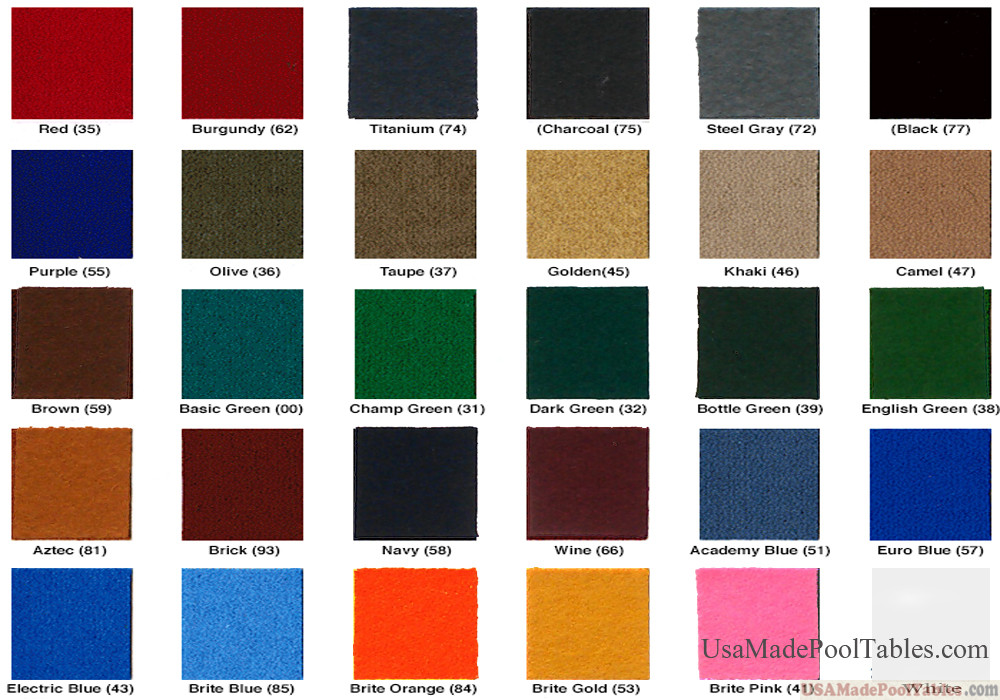
The nap of standard felt creates a unique playing experience that encourages a slower, more deliberate pace. This characteristic is particularly advantageous for players who relish strategy over speed, as it allows for greater control over shots. Additionally, standard felt has a wide range of colours, enabling players to customise the look of their table to fit home décor or personal preference. However, the trade-off lies in speed; standard felt can often absorb moisture from the cue ball, slightly dampening speed and making transitions between shots feel less dynamic.
The Rise of Speed Cloth
In contrast, speed cloth has surged in popularity, especially among competitive players who favour a faster gameplay experience. Speed cloth, often made from a blend of polyester and nylon, boasts a distinct advantage in terms of speed and smoothness. Players can expect an almost gliding sensation as the cue ball moves across the surface, lending itself to quicker shots and sharper spin. This reduction in friction enhances gameplay efficiency, allowing for seamless transitions between shots.
Moreover, the durability of speed cloth cannot be overlooked. Resistant to wear and tear, this fabric is less likely to show signs of damage or pilling, making it an ideal choice for pool halls and busy game rooms. The synthetic nature of speed cloth also means that it has a lower propensity for absorbing moisture, maintaining its performance level even under less-than-ideal conditions.
However, while speed cloth has its undeniable merits, it also presents a different experience. The smoother surface can, at times, lead to less tactile feedback for players, which may inhibit the strategy that some find essential in their gameplay. For casual players who enjoy the traditional elements of billiards, speed cloth may feel too fast and unforgiving.
Comparative Analysis: Speed vs. Standard
When contrasting speed cloth and standard felt, the choice often comes down to personal preference and playing style. Those who favour a methodical strategy, taking their time to plot each shot, may find that standard felt suits their needs more effectively. The inherent friction encourages careful consideration and often leads to more thought-provoking gameplay.
On the other hand, competitive players who thrive on quick action and strategic spin may lean towards speed cloth. The fast-paced nature of this fabric can enhance gameplay by allowing rapid succession of shots without the hindrance of excessive resistance.
Another factor to consider is maintenance. Standard felt typically requires more upkeep in terms of brushing to remove chalk dust and preventing pilling. It can be more susceptible to stains and wear, especially with frequent use. In contrast, speed cloth’s easy-to-clean surface can be wiped down without much effort, making it a more practical choice for those who prioritise low maintenance in their game rooms.
Visual Appeal and Aesthetic Choices
A fabric’s appearance can also play a significant role in the decision-making process. Standard felt is often associated with classic style; its soft texture and traditional colours elevate any game room décor. However, speed cloth often offers a sleek, modern aesthetic that appeals to those looking to make a statement. Available in various contemporary colours and finishes, speed cloth can lend a fresh, dynamic look to a pool table.
The visual impact of both fabrics cannot be understated; a well-dressed table is more inviting and can enhance the overall experience for players. Consideration of how the fabric will complement your surroundings may influence the choice between the two types.
Conclusion: Finding Your Fit
The decision between speed cloth and standard felt ultimately hinges on the individual player’s preferences and gameplay style. Recognising the intricacies of each fabric provides valuable insight into how they can enhance or detract from your experience. For those who value tradition and enjoy the nuance of a more measured approach, standard felt may provide an unmatched satisfaction. Conversely, for players who seek agility and rapidity, speed cloth presents an appealing alternative.
As you ponder your options, consider how each fabric aligns with your unique playing style, aesthetic preferences, and the mechanics of your gameplay. Engaging with both fabrics may unveil new strategies and techniques, enriching your overall approach to billiards. Embrace the complexity of fabric choices, for they promise to shift your perspective on the game, thereby fostering a deeper appreciation for the sport itself.
FAQ
What is the difference between speed cloth and standard felt?
Speed cloth is a synthetic fabric that allows for faster gameplay, while standard felt is a traditional material offering a slower, more controlled playing experience.
Which fabric is better for competitive play?
Speed cloth is generally preferred for competitive play due to its smooth surface and faster gameplay.
How does maintenance differ between speed cloth and standard felt?
Standard felt requires more maintenance, including regular brushing and cleaning to prevent wear, whereas speed cloth is easier to clean and maintain.



Leave a Reply