Short Answer
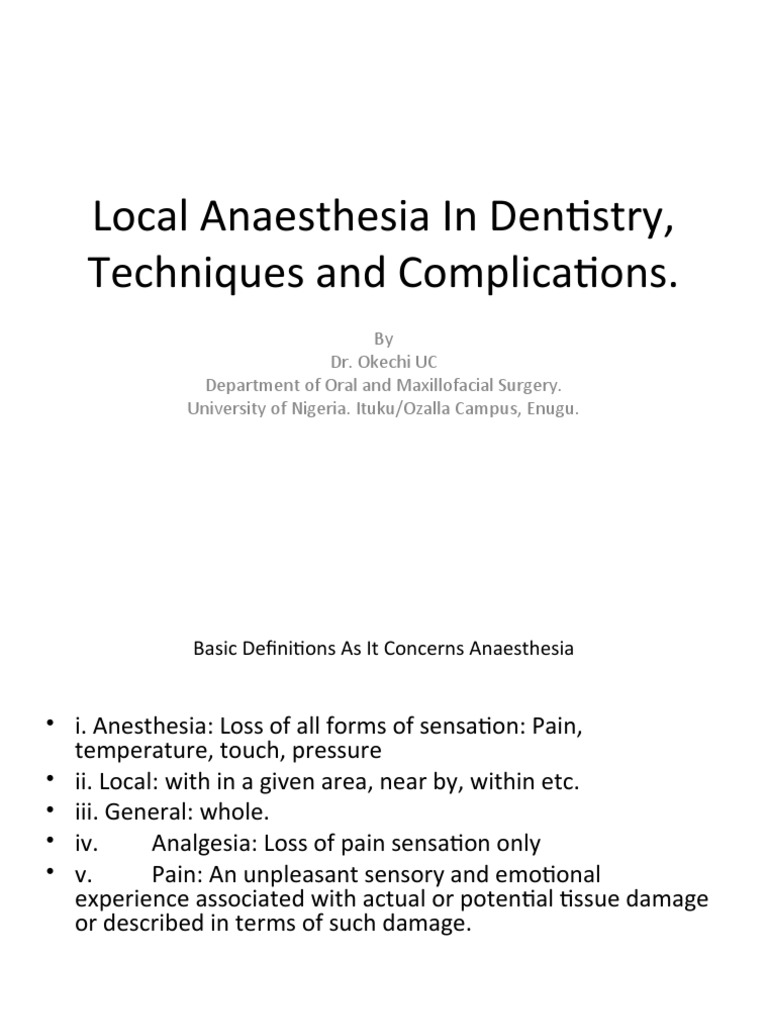
Visiting the dentist can be an anxiety-inducing experience for many. The sound of the drill, the sterile atmosphere, and the awareness of dental procedures can heighten apprehension. However, local anaesthesia serves as a reassuring marvel of modern dentistry, allowing patients to undergo various treatments with minimal discomfort. One pressing question that arises is: “How long does local anaesthesia last at the dentist?” Understanding this can significantly alleviate fears surrounding dental visits.
Local anaesthesia, specifically designed to numb a specific area of the mouth, is pivotal for dental procedures such as fillings, extractions, and root canals. The anaesthetics employed—predominantly lidocaine, articaine, or bupivacaine—work by blocking nerve signals in the targeted area. The duration of their effects can vary greatly, influenced by several factors.
1. The Type of Anaesthetic Used
The choice of anaesthetic plays a crucial role in determining how long the numbing effect lasts. Lidocaine, one of the most commonly used anaesthetics, typically provides numbness for around 1 to 2 hours. It is particularly effective for shorter procedures. On the other hand, articaine, appreciated for its rapid onset and comparatively longer duration, can last between 2 to 3 hours. For more extensive or invasive procedures, medical professionals may opt for bupivacaine, which can last anywhere from 4 to 8 hours due to its slower metabolism. The anaesthetist’s decision often hinges upon the complexity of the procedure at hand, ensuring optimal comfort for the patient.
2. The Procedure Itself
The nature of the dental procedure also dictates the duration of anaesthesia. Simple tasks like a routine filling may require shorter anaesthetic durations compared to a surgical extraction. In complex procedures where deeper anaesthesia is necessary, dentists might administer a more potent anaesthetic or use a combination of drugs. This consideration ensures that the patient remains entirely free from pain throughout their treatment, crafted skilfully by the clinician to enhance the experience.
3. Individual Patient Factors
Not all patients are created equal. Individual physiological responses to anaesthetics can dramatically differ. Skin thickness, metabolism rate, and even pre-existing medical conditions can influence how quickly a patient recovers from the numbing effects. Moreover, the anxiety levels of the patient may lead to heightened sensitivity to pain, making the duration of anaesthetic effects feel shorter than they are. Understanding these variables can foster a more tailored dental approach.
4. Post-Anesthesia Recovery: What to Expect
Once the effects of local anaesthesia begin to dissipate, patients often experience a spectrum of sensations. Many report a tingling feeling as normal nerve function returns, which can vary from person to person. Some might experience slight discomfort or a fleeting sense of warmth. Most patients find that any residual numbness usually resolves within a few hours, leading to full sensation and mobility of the affected area.
However, caution is advisable during this recovery period. One must be vigilant not to bite the inside of their cheek or tongue during numbing, as the lack of sensation can lead to accidental injury—a benign yet unfortunate consequence of misjudged comfort. Drinking hot beverages or eating solid food while still numb is best avoided to prevent burns or injuries.
5. Managing Discomfort and Aftercare
Post-procedure discomfort can retain a lingering presence even after the anaesthetic wears off. Dentists typically provide patients with an aftercare guide detailing how to manage any potential pain. Over-the-counter analgesics such as ibuprofen or paracetamol are often recommended to stave off discomfort. In cases where extreme pain persists, it is paramount to consult the dentist, as it may be indicative of an underlying issue.
6. When to Seek Help
Despite being routine, it is vital to recognise when to seek assistance. If numbing lasts significantly longer than anticipated or if symptoms like swelling, excessive bleeding, or fever occur, prompt communication with the dental practice is crucial. These could signal complications that need addressing to ensure health and safety.
7. Shifting Your Perspective on Dental Visits
The anxiety associated with dental visits often stems from a lack of understanding. By grasping how local anaesthesia functions and the various factors affecting its duration, patients can approach their dental appointments with an empowered mindset. Knowledge transforms fear: recognising that anaesthesia paves the way for pain-free procedures instils confidence. The pivotal role dentists play in crafting a comforting experience can make the prospect of treatment significantly less daunting.
In conclusion, local anaesthesia is a cornerstone of contemporary dentistry. Its efficacy lays the groundwork for comfortable procedures, enabling a wide range of treatments without distress. The duration of anaesthesia is not one-size-fits-all, influenced by the type of anaesthetic, the complexity of the procedure, and individual patient factors. With careful consideration and proper aftercare, the benefits of local anaesthesia can be profoundly appreciated, evoking curiosity and transforming perceptions of dental health.
FAQ
How long does local anaesthesia last?
The duration of local anaesthesia varies depending on the type used, with lidocaine lasting 1-2 hours, articaine 2-3 hours, and bupivacaine 4-8 hours.
What factors affect the duration of anaesthesia?
Factors include the type of anaesthetic, the complexity of the dental procedure, and individual patient characteristics.


Leave a Reply