Short Answer
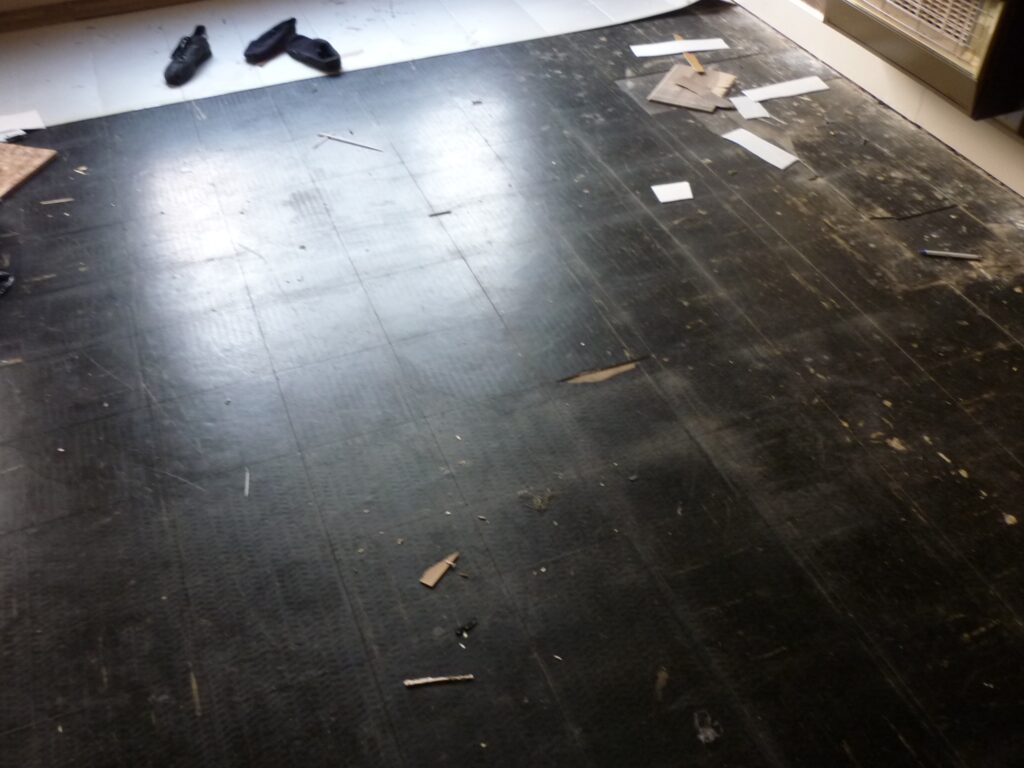
Removing asbestos floor tiles can be akin to unearthing buried treasure; however, it is crucial to tread with caution. Asbestos, once revered for its durability and fire-resistant qualities, can pose significant health risks when disturbed. This intricate dance between renovation and safety encapsulates the essence of the asbestos removal process. Within the UK, specific regulations and best practices have been established to safeguard against the inherent dangers associated with asbestos exposure.
Understanding Asbestos
Asbestos is a naturally occurring mineral that was widely utilised in the construction industry throughout the 20th century. Its fibrous structure made it an attractive option for use in flooring materials, insulation, and even roofing. The problem arises when these materials begin to deteriorate and release microscopic fibres into the air. When inhaled, these fibres can lead to severe health conditions, including asbestosis and mesothelioma. Thus, understanding the nature of asbestos and its implications is the first step toward safe removal.
UK Regulations Regarding Asbestos Removal
In the UK, the Control of Asbestos Regulations 2012 provides a comprehensive framework for the management and removal of asbestos-containing materials (ACMs). This legislation categorically outlines the responsibilities of property owners, employers, and contractors regarding asbestos management. The UK Health and Safety Executive (HSE) is the governing body tasked with enforcing these regulations, ensuring that public and occupational health is protected.
Under these regulations, it is imperative for any property built before 2000 to undergo an asbestos survey prior to any renovation or demolition works. The survey helps identify the presence and condition of any ACMs, allowing for informed decision-making regarding their management. A high-risk asbestos removal must be conducted by a licenced contractor, especially when dealing with large amounts or damaged materials.
The Role of Asbestos Surveys
Conducting an asbestos survey is akin to preparing a detailed map before embarking on a perilous journey. A competent survey can uncover hidden hazards and illuminate the best path forward. There are two primary types of surveys: Management Surveys, which are typically carried out to manage ACMs and ensure ongoing safety, and Refurbishment/Demolition Surveys, which are more invasive and designed to identify all ACMs in areas that will be disturbed during renovation or demolition.
Furthermore, hiring professional surveyors not only complies with legal obligations but also alleviates potential stress and risk. The meticulous nature of these surveys plays a critical role in ensuring that no asbestos fibres are released during subsequent works, preserving the health of all individuals involved.
Best Practices for DIY Removal
While the safest route is to employ a licenced contractor, some may choose to attempt DIY removal, particularly for minor projects. If opting for this route, several best practices must be adhered to in order to mitigate risk. First, **personal protective equipment (PPE)** is non-negotiable. This includes disposable coveralls, respiratory protection, and gloves. Garments should be sealed prior to disposal to prevent contamination.
Moreover, it is essential to dampen asbestos tiles with a water spray before removal to minimise the dispersion of asbestos fibres. The tiles should be carefully pried up using hand tools rather than power tools, which can create excessive dust. Once removed, ACMs should be securely double-bagged in sturdy, labelled bags for safe disposal at designated landfill sites.
Disposal Regulations
Disposing of asbestos is a crucial step that should never be overlooked. The Environmental Protection Act 1990 dictates that waste containing asbestos must be treated as hazardous waste. It is vital to check with local councils regarding designated disposal sites and the necessary procedures for safe disposal. Transporting asbestos waste should also comply with the Hazardous Waste Regulations, meaning that appropriate transport documentation must be maintained at all times.
The Aftermath of Removal: Clearing the Air
After the successful removal of asbestos, one cannot simply dust their hands and consider the job finished. The surrounding environment must be thoroughly cleaned and assessed for any remaining hazards. Air quality testing can help ensure that the area is free from residual asbestos fibres, providing peace of mind to all stakeholders involved.
Not only is this practice crucial for health and safety, but it also restores a sense of normalcy to the environment. Like the ritual of cleansing one’s home after a storm, air quality assessments allow for the fresh beginnings that repurposing spaces often require.
Conclusion: The Importance of Caution and Compliance
Removing asbestos floor tiles is an undertaking that should never be taken lightly. The potential health implications are profound, which is why understanding UK regulations and adhering to best practices is paramount. Whether you enlist professional help or attempt minor removal yourself, the key is to prioritise safety and meticulousness above all else. With the right preparation and awareness, it is possible to unveil the beauty of a space without compromising health, allowing your renovation dreams to flourish amidst the shadows of the past.
FAQ
What are the health risks associated with asbestos?
Asbestos exposure can lead to serious health conditions, including asbestosis and mesothelioma, which can be fatal.
Do I need a professional to remove asbestos floor tiles?
While it’s safest to hire a licensed contractor, minor projects can be done by homeowners if proper safety protocols are followed.
What regulations govern asbestos removal in the UK?
The Control of Asbestos Regulations 2012 outlines the responsibilities of property owners and contractors regarding asbestos management.
FAQ
What are the health risks associated with asbestos?
Asbestos exposure can lead to serious health conditions, including asbestosis and mesothelioma, which can be fatal.
Do I need a professional to remove asbestos floor tiles?
While it’s safest to hire a licensed contractor, minor projects can be done by homeowners if proper safety protocols are followed.
What regulations govern asbestos removal in the UK?
The Control of Asbestos Regulations 2012 outlines the responsibilities of property owners and contractors regarding asbestos management.


Leave a Reply