Short Answer
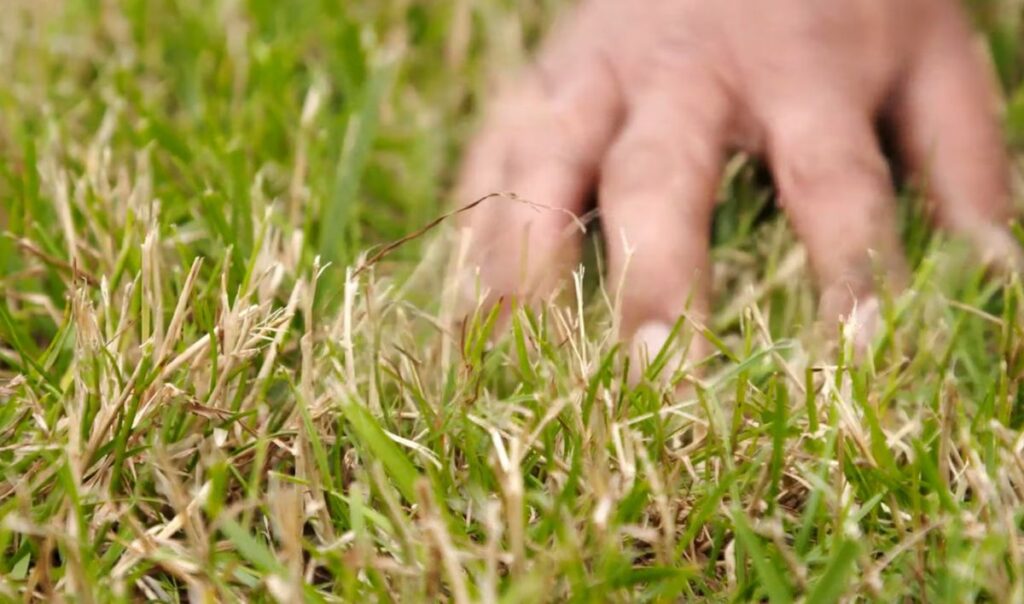
Every homeowner dreams of a lush, verdant lawn akin to a softly woven emerald tapestry, but when unsightly patches of yellow begin to emerge, that dream can swiftly dim. The sight of a withering lawn, speckled with the unfortunate hues of malady, may evoke concerns reminiscent of a wilting flower in the arid sun. Understanding the causes behind this unfortunate transformation is imperative for restoring one’s scenic landscape. Herein lies an exploration of the common culprits causing this discolouration and vital strategies for rejuvenation.
1. Inadequate Nutrient Supply
Lawn care transcends mere watering; it hinges on providing essential nutrients akin to feeding a beloved pet. Grass, like any living organism, requires a balanced diet rich in nitrogen, phosphorus, and potassium. A deficiency in these crucial elements can precipitate a shift in colour from verdant green to a sickly yellow. Often, the soil becomes depleted of these nutrients due to continuous mowing, heavy rainfall, or erosion. To remedy this, consider performing a soil test to gauge nutrient levels. Following this, applying a balanced fertiliser tailored to the specific needs of your grass type can breathe new life into your lawn, akin to a revitalising potion for a sickly creature.
2. Improper Irrigation Practices
Watering—a deceptively simple act that can determine the fate of your lawn. Over-watering can suffocate grass roots by creating a waterlogged environment that deprives them of oxygen. Conversely, under-watering leaves grass parched and yearning for hydration. Establishing an optimal routine is essential, as improper irrigation is akin to a painter using too much or too little paint, resulting in a flawed masterpiece. Aim for deep, infrequent watering, allowing the grass to develop a robust root system. A general guideline is to water early in the morning, providing 2.5 to 5 cm of water a week, depending on the climate. Monitoring the moisture content regularly can help strike that delicate balance.
3. Pests and Diseases
Just as the body is susceptible to illness, so too is your lawn vulnerable to a myriad of pests and diseases seeking to wreak havoc. Insects such as grubs, chinch bugs, and armyworms feast on grass roots, leaving trails of destruction that manifest as yellow patches. Likewise, fungal infections, reminiscent of the uninvited guests at a soirée, can spread swiftly if left unchecked. To combat these adversaries, implement an integrated pest management strategy. Regularly inspecting your lawn, applying beneficial nematodes, and employing organic fungicides can help stave off infestations and restore vitality.
4. Compacted Soil
Soil compaction may seem innocuous but becomes a stealthy saboteur of your lawn’s health. When soil particles are pressed tightly together, whether through foot traffic or heavy machinery, they restrict air from permeating the grassroots. This darkened fate leads to diminished growth and increases susceptibility to stressors. Aerating your lawn, much like a therapist relieving tension, can alleviate compaction. This process involves perforating the soil with holes to enhance air exchange, water absorption, and nutrient uptake. The rewards of aeration echo throughout the seasons, fostering a flourishing landscape.
5. Environmental Stressors
The environment is a fickle friend, offering both nourishment and challenges. Weather extremes—intense heat, drought, or unyielding cold—can contribute to grass turning yellow. The sun’s relentless rays can scorch blades, while frost can stun growth. Adaptation is key: selecting drought-resistant grass varieties that thrive in your local climate can mitigate stress. Furthermore, employing shadow-producing elements, such as trees or shrubs, can provide refuge from the sun’s merciless gaze. Cultivating a resilient lawn becomes a dance with nature, requiring attunement and foresight.
6. Thatch Buildup
Thatch, that enigmatic layer of dead organic material sitting atop the soil, can be both boon and bane. While a modest accumulation serves as a protective blanket, excessive thatch can impede water and nutrient absorption. This thick, matted layer acts as a fortress against rejuvenation, contributing to the ghastly yellow hues. Regularly dethatching—a task best performed during the growing season—can help restore balance. Raking out the excess thatch not only clears the path for rejuvenation but also prunes the lawn’s appearance, allowing it to shine forth vibrantly.
Lawn Recovery Tips
Having delineated the primary causes of yellowing grass, one must also consider actionable strategies for recovery. Start by assessing the situation with a comprehensive lawn evaluation, identifying problem areas and their underlying issues. Adapting your lawn care routine can significantly alter the narrative; introducing a seasonal fertilisation plan, combining aeration with overseeding, and implementing a consistent watering regime restorative in nature can weave the narrative of regrowth and revival.
Finally, patience is an ally. Just like a caterpillar undergoes a metamorphosis into a resplendent butterfly, so too will your lawn reclaim its vibrant self when nurtured appropriately over time. With a conscientious approach, your garden will transform once more into an oasis of green, blooming with vitality and beauty.
FAQ
What causes my lawn to turn yellow?
Common causes include inadequate nutrient supply, improper irrigation, pests and diseases, compacted soil, environmental stressors, and thatch buildup.
How can I recover my yellowing lawn?
Assess the situation, introduce a seasonal fertilization plan, aerate the soil, and monitor watering practices for optimal recovery.
FAQ
What causes my lawn to turn yellow?
Common causes include inadequate nutrient supply, improper irrigation, pests and diseases, compacted soil, environmental stressors, and thatch buildup.
How can I recover my yellowing lawn?
Assess the situation, introduce a seasonal fertilization plan, aerate the soil, and monitor watering practices for optimal recovery.
FAQ
What causes my lawn to turn yellow?
Common causes include inadequate nutrient supply, improper irrigation, pests and diseases, compacted soil, environmental stressors, and thatch buildup.
How can I recover my yellowing lawn?
Assess the situation, introduce a seasonal fertilization plan, aerate the soil, and monitor watering practices for optimal recovery.

Leave a Reply