Short Answer
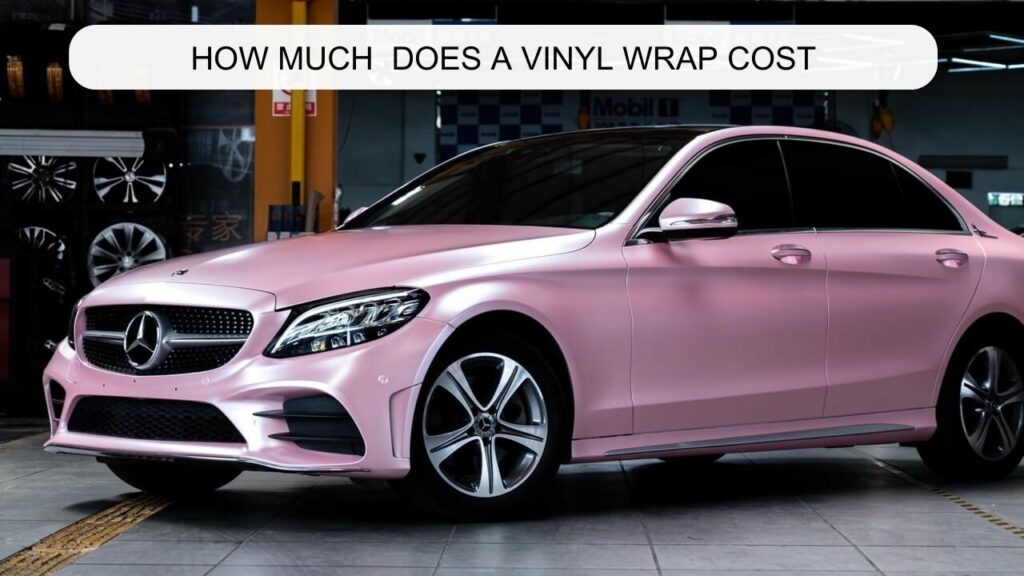
In recent years, the art of vehicle wrapping has surged in popularity, transforming ordinary cars into striking visual spectacles. Whether for business branding or a personal aesthetic overhaul, car wraps offer an enticing alternative to traditional paint jobs. However, a pressing question echoes among enthusiasts and potential customers alike: how much does it cost to wrap a car? This price guide delves into the multifaceted elements that influence the overall expense of wrapping a vehicle, ensuring prospective clients are well-informed before embarking on this transformative journey.
The Basics of Car Wrap Costs
The average cost of wrapping a car can vary significantly based on several factors, with typical prices ranging from £1,500 to £3,000 for a standard vehicle. For larger vehicles, such as vans or SUVs, costs can escalate to between £3,000 and £6,000. Understanding these price brackets requires a closer examination of the specific components that contribute to the overall cost.
1. Type of Wrap Material
The material used for the wrap plays a crucial role in determining the final price. Vinyl wraps are the most common, available in a myriad of finishes including gloss, matte, satin, and even textured varieties. High-quality vinyl, such as the cast vinyls preferred by professionals, tend to be more expensive but also offer better durability and longevity. Inferior materials, while more budget-friendly, may result in a less satisfactory finish and shorter lifespan. Thus, investing in premium materials can yield visual and economic benefits over time.
2. Vehicle Size and Complexity
The dimensions and contours of the vehicle significantly impact the cost of wrapping. The larger the vehicle, the more material will be required, leading to increased expenditure. Additionally, complex shapes and intricate designs necessitate a higher level of craftsmanship. Cars with extensive features, such as spoilers, elaborate curves, or multiple panels, demand greater precision and may incur additional labour charges for installation.
3. Design and Customisation
While a solid colour wrap might be relatively affordable, custom designs can substantially increase costs. Engaging a graphic designer to create a unique visual can add anywhere from a few hundred to several thousand pounds, depending on the intricacy of the design and the time invested in its creation. Moreover, many customers opt for bespoke options that include logos or intricate patterns, further elevating the price point.
4. Installation Experience and Quality
The expertise of the installer is another significant influencing factor. Established companies with a stellar reputation typically charge higher rates based on their experience and the quality of work they provide. Skimping on installation could ultimately lead to premature peeling or bubbling, rendering the investment futile. Hence, it is advisable to seek out reputable installers who provide warranties on their work, ensuring peace of mind alongside a professional finish.
5. Geographic Location
The geographical location of the installation service can impact costs significantly. Urban areas with a higher cost of living may exhibit premium pricing due to increased overhead expenses. Conversely, seeking services in rural areas may yield lower rates without compromising quality. However, it is vital to balance convenience with cost—travelling significant distances for cheaper options might negate any financial savings when factoring in time and travel expenses.
6. Additional Services
While the primary focus may be on the wrap itself, additional services can accrue extra costs. Paint protection films, for instance, may be applied both before and after wrapping to shield the underlying surface. Similarly, removing an existing wrap incurs costs related to labour and potential additional repairs. These ancillary services, while enhancing the overall quality and durability of the wrap, are essential considerations in the budgeting process.
Longevity and Maintenance
The lifespan of a car wrap is another essential aspect to consider. A well-installed wrap using high-quality material can last anywhere from three to seven years, contingent upon proper care and maintenance. It is crucial to follow recommended cleaning protocols, avoiding abrasive products and excessive exposure to harsh elements, as these can diminish the wrap’s longevity. Regular maintenance ultimately safeguards the initial investment by prolonging the wrap’s life and vibrancy.
The Fascination with Car Wrapping
What underlies the increasing fascination with car wrapping? Beyond the apparent aesthetic allure, it represents a form of self-expression. In an era where individuality is highly prized, a car wrap serves as a canvas for personal creativity and branding. Whether an entrepreneur seeks to augment their business visibility or a car enthusiast desires to stand out on the road, the encapsulation of identity within a few square metres becomes profoundly appealing.
Moreover, the temporary nature of wraps presents a unique advantage. Unlike permanent paint jobs that may require extensive investments and commitment, wraps offer flexibility. The ease of application and removal enables individuals to experiment with different looks without irreversible changes. This adaptability and the ability to remain current with trends underscore the growing enthusiasm for vehicle wrapping as a contemporary cultural phenomenon.
Conclusion
Car wrapping is not merely a cosmetic modification; it embodies a dynamic intersection of art and practicality. Understanding the costs associated with this transformational process is paramount for anyone considering a vehicle wrap. By weighing the various factors—material quality, vehicle size, design intricacies, installation expertise, geographic considerations, and maintenance practices—individuals can navigate the complexities of pricing. Ultimately, a well-executed car wrap not only enhances the aesthetic value of the vehicle but also serves as a statement of personality and vision, inviting curiosity and admiration on every journey.
FAQ
What is the average cost of wrapping a car?
The average cost of wrapping a standard vehicle ranges from £1,500 to £3,000, while larger vehicles can cost between £3,000 and £6,000.
How long does a car wrap last?
A well-installed car wrap can last anywhere from three to seven years, depending on the quality of the material and maintenance.
Can I remove a car wrap myself?
While it is possible to remove a car wrap yourself, it is advisable to seek professional help to avoid damaging the vehicle’s paint.

Leave a Reply