Short Answer
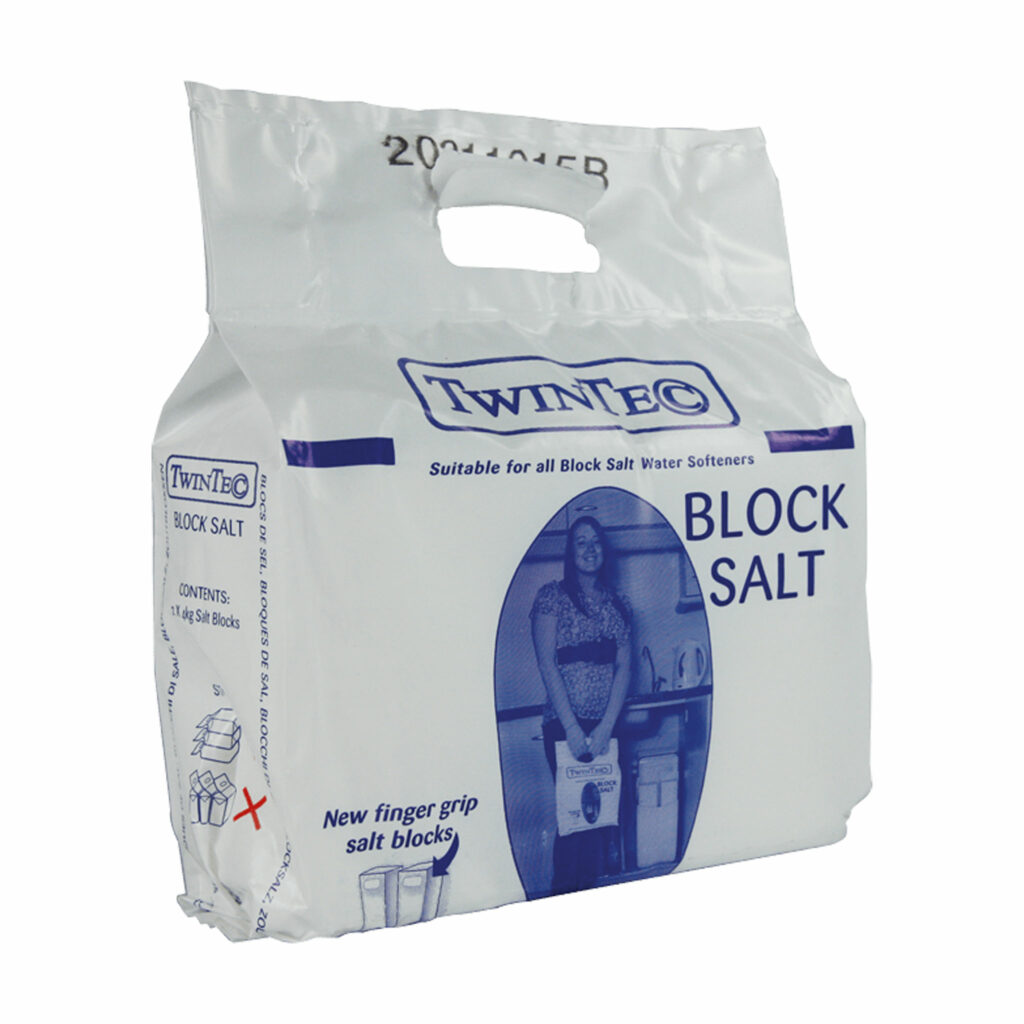
Water softeners are a vital addition to many households, especially in areas plagued by hard water. One of the pivotal elements in the workings of these devices is block salt, a specific type of salt used to facilitate the ion exchange process that removes hard minerals from water. This article delves into the different types of block salt for water softeners, their myriad benefits, and a comprehensive guide on how to utilise them effectively.
Understanding Block Salt
Block salt is essentially a compacted form of sodium chloride, manufactured into bricks or blocks that can serve as an efficient regeneration medium in water softeners. When water passes through a block salt unit, calcium and magnesium ions, which contribute to water hardness, are exchanged for sodium ions. This process drastically improves the quality of water, making it softer and more pleasant for daily use.
Types of Block Salt
Block salt is available in several varieties, each tailored to different needs and preferences. Here are the primary types:
- Standard Block Salt: This is the most common form of block salt, designed to fit the standard dimensions required by most water softening systems. Made from pure sodium chloride, it effectively serves its purpose, ensuring a steady supply of sodium ions for effective water softening.
- High Purity Block Salt: For households that demand exceptional water quality, high purity block salt contains minimal impurities and additives. It is especially advantageous in regions with extremely hard water or for individuals who prefer an ultra-clean water experience.
- Premium Block Salt: This type often integrates additional ingredients aimed at enhancing performance. These may include anti-caking agents that prevent the salt from clumping together and improving its solubility in water.
- Ecological Block Salt: With a growing awareness of environmental sustainability, ecological block salt options have emerged. Often derived from natural sources or using organic processes, these blocks minimise environmental impact while still producing effective results.
Benefits of Using Block Salt
The choice of block salt for your water softener yields numerous benefits which go beyond just softening water. Here’s an exploration of these advantages:
- Improved Water Quality: The primary benefit is the significant reduction of hard minerals, leading to softer water. Soft water enhances the taste and smell of your drinking water and can contribute to better food preparation.
- Health Benefits: While sodium levels are a concern for most, the amount introduced by block salt is negligible compared to daily dietary intake. Moreover, water softeners reduce the presence of scale, which can harbour bacteria, thus promoting sanitary conditions in your home.
- Energy Efficiency: Softer water allows for more efficient heating in appliances, reducing energy consumption. This can lead to significant savings on utility bills, making block salt an economically wise choice.
- Prolonged Appliance Life: By eliminating scale, block salt protects plumbing and water-based appliances such as dishwashers and washing machines from damage caused by hard water. This longevity saves costs on repairs and replacements.
- Less Cleaning Time: Hard water often leaves unsightly stains and residues on fixtures and surfaces. Using block salt mitigates this issue, resulting in less time spent on cleaning bathrooms, kitchens, and laundry areas.
Using Block Salt: A Step-by-Step Guide
To maximise the benefits of block salt, it’s crucial to understand its usage within your water softening system. Below is a simple yet comprehensive guide:
- Choose the Right Type: Assess your specific needs—consider the hardness of your water, any health-related concerns, and your environmental stance before choosing the appropriate block salt type.
- Check Compatibility: Ensure that the block salt you select is compatible with your water softening unit. Always refer to the manufacturer’s guidelines regarding size and formulation.
- Regular Monitoring: Keep an eye on the salt levels within the brine tank. It is advisable to maintain a consistent level of block salt to avoid disruptions in the softening process.
- Maintain Your System: Periodically clean the brine tank and check for any signs of malfunctioning. Regular maintenance prolongs the life of your water softener and enhances its efficiency.
- Refill as Needed: Refilling with block salt should occur when the levels are low, typically every 4 to 6 weeks depending on usage and water hardness. It’s best to keep a supply on hand to avoid running out.
Conclusion
Block salt serves as an indispensable component in the realm of water softening, delivering myriad benefits from improved water quality to increased appliance longevity. With the right type of block salt, users can enjoy a superior experience, enhancing not only the efficiency of their appliances but also the overall comfort of their household. By following the usage guide, you can ensure that your water softening system operates at its peak performance, thus making block salt a worthy investment for anyone dealing with the afflictions of hard water.
FAQ
What is block salt?
Block salt is a compacted form of sodium chloride used in water softeners to facilitate the ion exchange process that removes hard minerals from water.
What are the types of block salt?
The main types of block salt include Standard Block Salt, High Purity Block Salt, Premium Block Salt, and Ecological Block Salt.
How often should I refill block salt?
Refilling with block salt should typically occur every 4 to 6 weeks, depending on water usage and hardness.


Leave a Reply