Short Answer
When it comes to constructing a sturdy and aesthetically pleasing fence, one material stands out for its natural charm and durability: round wood fence posts. These posts are not only functional but can also elevate the overall look of your outdoor space. In this comprehensive guide, we will delve deep into various aspects of round wood fence posts—including sizes, treatments, and installation methods. Whether you’re a seasoned carpenter or a DIY novice, this article will equip you with the knowledge you need to effectively use these charming posts in your fencing project.
1. Understanding Round Wood Fence Posts
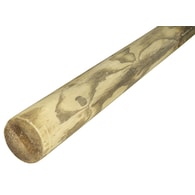
Round wood fence posts are cylindrical posts crafted from timber, commonly used to support fencing structures. Their natural curvature offers a rustic touch that complements gardens, pasturelands, and rural aesthetics. These posts are typically made from robust wood species such as cedar, pine, or oak, each delivering distinct advantages in terms of strength and longevity.
2. Sizes of Round Wood Fence Posts
Selecting the appropriate size of round wood fence posts is crucial for the stability and visual appeal of your fence. Common diameters for these posts range from 3 to 6 inches, but they can be found in larger sizes for specific applications. The height of the posts typically varies between 5 to 8 feet, depending on the intended use.
- 3-inch Diameter: Ideal for decorative and short fencing projects, offering enough strength for lightweight applications.
- 4-inch Diameter: A versatile size that balances strength and aesthetic, suitable for standard residential fencing.
- 5-inch Diameter: Offers enhanced durability, perfect for fences that require greater support against wind and other forces.
- 6-inch Diameter: Best for heavy-duty applications, such as livestock enclosures or larger commercial fencing needs.
When selecting the diameter, consider the height of the posts and the spacing between them to ensure optimal strength and support.
3. Treatment Options for Longevity
Proper treatment of round wood fence posts is paramount to enhance their longevity and resistance against environmental elements. The two most prevalent treatment methods are pressure treatment and natural oil finishing.
- Pressure Treatment: This involves the infusion of preservatives into the wood under high pressure, rendering it resistant to decay, insects, and moisture absorption. Treated posts typically have a greenish hue and can last for decades, making them a popular choice for outdoor installations.
- Natural Oil Finishing: For those who prefer an eco-friendly approach, using natural oils such as linseed can protect the wood while allowing it to breathe. This method may require more frequent reapplication but enhances the wood’s aesthetic appeal, showcasing its natural grain and colour.
For both treatment methods, ensure that the posts are treated before installation for maximum effectiveness. Some products are available with dual treatments, combining both pressure treatments and oil finishes for enhanced resilience.
4. Installation Guide for Round Wood Fence Posts
Installing round wood fence posts may seem daunting, but with the right tools and a methodical approach, you can achieve a sturdy fence that stands the test of time. Follow this step-by-step guide for successful installation:
- Gather Your Tools and Materials: You will need a post driver or a sledgehammer, digging tools, concrete, water, a level, and optional gravel for drainage.
- Determine Your Layout: Use stakes and string to outline the layout of your fence. Ensure proper spacing between each post, typically 6 to 8 feet apart.
- Dig Post Holes: Dig holes that are approximately 2 to 3 feet deep, which is sufficient for a stable foundation. The diameter of the holes should be at least three times the diameter of the posts.
- Set the Posts: Place the round wood fence post in the centre of the hole, ensuring it stands vertically using a level to check alignment. If necessary, use braces to hold the post in place.
- Backfill with Concrete: For added sturdiness, mix and pour concrete around the post. Allow it to set according to the manufacturer’s instructions, usually 24 to 48 hours.
- Final Touches: Once the concrete has cured, you can begin attaching your fencing materials, whether it be panels, wire, or pickets. Ensure to check leveling once again before securing everything.
5. Maintenance Tips for Round Wood Fence Posts
- Inspect Regularly: Check for any signs of rot or insect damage, especially at the base of the posts where moisture tends to accumulate.
- Reapply Treatments: For posts with natural oil finishes, reapplication every few years will help maintain their appearance and integrity.
- Clean Fallen Debris: Remove leaves and other organic matter that can trap moisture against the posts, promoting decay.
- Monitor Surrounding Soil: Ensure good drainage around the posts to prevent water pooling, which can lead to deterioration.
In conclusion, round wood fence posts are a splendid choice for any fencing project, combining practicality with a timeless appeal. By understanding the various sizes, treatments, and installation techniques, you can create a fence that not only meets your functional needs but also enhances the beauty of your outdoor spaces. With careful planning and maintenance, these posts can stand proud against the elements for years to come.
FAQ
What sizes are available for round wood fence posts?
They range from 3 to 6 inches in diameter and 5 to 8 feet in height, suitable for different fencing needs.
How do I treat round wood fence posts?
You can use pressure treatment for durability or natural oil finishes for a more eco-friendly option.
What is the proper way to install round wood fence posts?
Dig holes 2 to 3 feet deep, place posts vertically, backfill with concrete, and ensure correct spacing between posts.
How often should treated wood fence posts be maintained?
Maintenance depends on treatment type; natural oil finishes require more frequent reapplication than pressure-treated posts.



Leave a Reply