Short Answer
In the realm of home heating solutions, the wood stove water heater stands as a testament to both ingenuity and practicality. This traditional method of harnessing the warmth generated by wood-burning stoves to heat water is attracting a resurgence of interest, especially among those looking to embrace sustainable living. The allure of such a system stems not only from its efficiency but also from the broader implications of self-sufficiency and environmental stewardship.
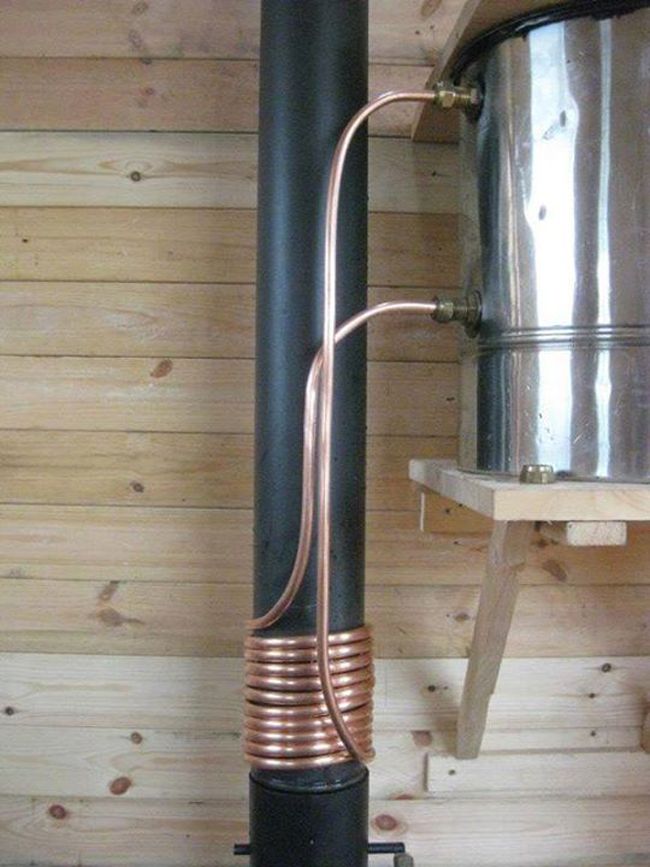
Understanding how a wood stove water heater operates is essential for anyone considering its installation. At its core, the system utilises the heat produced by a wood-burning stove, which is channelled into a water tank or coil. This setup essentially transforms your stove into a central heating source for both your home and your hot water supply. The mechanism involves circulating water through a heat exchanger, which is typically situated near or within the stove, thereby allowing the water to absorb heat as it flows.
A common observation among users is the satisfaction derived from being able to produce hot water using a renewable resource. The very concept of utilising a wood stove, which has been a staple of homes for centuries, resonates on several levels. It offers a captivating reflection of a time when sustainability was not just a trend, but a necessity. This enduring fascination with wood stove water heaters can be attributed not only to their efficiency but also to their ability to foster a sense of connection to historical practices.
When considering the installation of a wood stove water heater, several factors come into play that can influence both functionality and cost. The initial outlay is not solely about the heater itself but encompasses several components, such as the stove, the water tank, and associated plumbing. These installation costs can vary significantly based on geographical location and the complexity of the setup required.
On average, one might anticipate costs ranging from £500 to £3,000. This estimate typically comprises the wood stove, water tank, and installation labour. A basic stove with an integrated water heater is available on the market, often costing around £800 to £1,500. Additionally, installing a dedicated water tank designed to work in conjunction with the stove might incur further costs, typically an additional several hundred pounds.
Further influencing installation costs are the requisite plumbing modifications. Integrating a wood stove water heater into an existing heating system or domestic hot water setup could necessitate the employment of a professional plumber or heating engineer. Depending on the complexity of these changes, labour costs can range from £50 to £100 per hour, adding to the overall expense.
It is crucial to bear in mind the regulatory requirements concerning wood stove installations. Various regions impose specific codes and standards pertaining to safety, efficiency, and emissions. Ensuring compliance not only guarantees safety but can also affect insurance premiums. Therefore, consultation with local authorities or hiring a certified installer could be paramount in navigating these regulations.
Another consideration for prospective users is the ongoing cost of wood supply. Sustainable sourcing of wood is vital. The price can vary based on location and the type of wood used, with seasoned hardwood typically being the most efficient and cost-effective. Establishing a reliable supply chain or even cultivating a small-scale woodlot can further enhance the sustainability of a home’s energy needs.
A fascinating aspect of wood stove water heaters is their versatility. Beyond mere domestic hot water, they can be employed to heat swimming pools, hot tubs, or even serve aquaponic setups. This adaptability underscores the broader spectrum of possible applications, directing one to consider the full scope of utilitarian opportunities available through such installations.
It is also worth mentioning the environmental benefits associated with wood stove water heaters. When sourced sustainably, wood is a carbon-neutral energy source, effectively reducing reliance on fossil fuels. This characteristic aligns with a growing trend toward eco-conscious living. Many households are increasingly drawn to the concept of not only taking charge of their energy needs but also contributing to a healthier planet.
Moreover, the psychological benefits of utilising a wood stove water heater cannot be overlooked. The warmth and comfort offered by a burning fire create an inviting ambience, thereby enhancing the overall living experience. There’s an intrinsic value in gathering around the heat of a wood stove, sharing stories, and enjoying the outdoors’ simple pleasures. This communal aspect extends the benefits of the wood stove water heater beyond its functional merits.
In terms of maintenance, engaging with a wood stove water heater requires awareness and diligence. Regular inspections and cleanings are necessary to ensure the safety and efficiency of the system. Keeping flues clear of soot and ensuring proper airflow are essential components in maintaining optimal performance. With mindful care and attention, a wood stove water heater can serve its owners well for decades.
In conclusion, delving into the intricacies of wood stove water heaters unearths a rich tapestry of historical significance, environmental consciousness, and contemporary utility. The combination of functionality, sustainability, and the comfort it provides positions this system as a formidable option for households looking to embrace an alternative heating solution. With the potential for both self-sufficiency and a reduced carbon footprint, the wood stove water heater stands as an embodiment of modern resourcefulness.
FAQ
How does a wood stove water heater work?
A wood stove water heater uses the heat from a wood-burning stove to warm water, typically through a heat exchanger.
What are the installation costs for a wood stove water heater?
Installation costs can range from £500 to £3,000, depending on various factors including the complexity of the setup.
What are the environmental benefits of using a wood stove water heater?
When sourced sustainably, wood is a carbon-neutral energy source, helping reduce reliance on fossil fuels.
What maintenance is required for a wood stove water heater?
Regular inspections and cleanings are necessary to ensure safety and efficiency, including keeping flues clear of soot.
FAQ
How does a wood stove water heater work?
A wood stove water heater uses the heat from a wood-burning stove to warm water, typically through a heat exchanger.
What are the installation costs for a wood stove water heater?
Installation costs can range from £500 to £3,000, depending on various factors including the complexity of the setup.
What are the environmental benefits of using a wood stove water heater?
When sourced sustainably, wood is a carbon-neutral energy source, helping reduce reliance on fossil fuels.
What maintenance is required for a wood stove water heater?
Regular inspections and cleanings are necessary to ensure safety and efficiency, including keeping flues clear of soot.



Leave a Reply