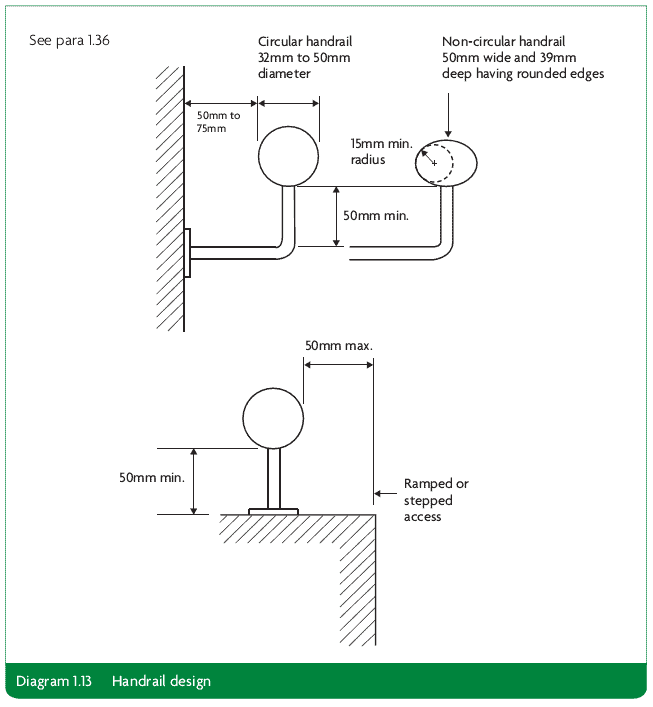
Short Answer
Handrails serve a vital function, both in terms of safety and aesthetic appeal, in residential and commercial properties alike. In the UK, building regulations prescribe specific requirements for handrails on stairs to ensure that they provide adequate support, meet safety standards, and cater to all users. This guide delves into the intricate details surrounding the appropriate height for handrails on stairs within the context of UK building regulations, augmenting your understanding of compliance and enhancing your appreciation for this often-overlooked feature.
The Importance of Handrail Height
The height of a handrail on stairs is not merely a matter of preference; it is imperative for ensuring safety. A handrail that is too low may fail to provide adequate support, particularly for individuals with limited mobility, while one that is too high can be difficult to grasp. In both scenarios, the risk of accidents escalates, raising questions about the effectiveness of safety measures in place.
Handrails act as a tactile guide for individuals navigating stairs, offering reassurance and physical support. This functionality is particularly crucial for the elderly, children, and those with disabilities, who depend on handrails to maintain balance and stability while ascending or descending. The appropriate height is thus an essential specification, not just a matter of design convenience.
UK Building Regulations: An Overview
The UK Building Regulations serve as a framework to ensure health, safety, and welfare in construction practices. Specifically, Document K of the Building Regulations addresses the requirements for protection from falling, collision, and impact, detailing guidelines for handrail installations along staircase structures.
According to these regulations, the height of handrails must be between 900mm to 1000mm from the surface of the stairs to the top of the handrail. This range is designed to accommodate a variety of users, allowing for effective grip and support, yet does not compromise safety standards. Adhering to this height ensures that handrails are accessible to both shorter and taller individuals, creating a universally safe environment for navigating stairs.
Understanding Elevator Heights
Handrails specified at 900mm to 1000mm may seem arbitrary at first glance; however, they are meticulously derived from extensive research and historical precedent. This measurement directly correlates with the average height of the human hand when in a comfortable gripping position. The average adult’s forearm length plays a significant role here, as it dictates how easy it is to grasp and pull oneself along the handrail when required.
Moreover, these precise measurements enhance balance for individuals who may be experiencing vertigo or other debilitating conditions. A further understanding of ergonomics in design principles underscores the importance of meeting these regulations, paving the way for changes in behaviour and increased independence for vulnerable individuals.
Variations and Considerations
While the general standards are largely applicable across most scenarios, certain conditions may necessitate variations in height. Properties with multiple flights of stairs, changes in grade, or specific accessibility requirements may require customised handrail heights. Building regulations encourage adaptation according to the needs of individuals using the structure, whether through adjusting heights or adding additional supports.
For example, in public transport facilities or educational buildings, where foot traffic is high and diverse, ensuring optimal handrail height may yield significant advantages. A broader spectrum of compliant handrail installations can drastically reduce accidents and injuries, promoting inclusivity for all users.
Material Considerations
While height is of utmost concern, the material used for handrails is equally significant. Common materials include wood, stainless steel, and wrought iron, each with their own pros and cons. The selected material affects not only the appearance of the handrail but also its ability to withstand wear and tear while retaining structural integrity. Choosing the right material is critical, as it can enhance the durability and longevity of the handrail, making it both a practical and stylistic investment.
Construction and Maintenance
Proper construction and maintenance of stair handrails are crucial for their effectiveness. Ensuring that they are securely affixed at the prescribed height prevents the risk of collapse and enhances user confidence. Worn or loose fixtures can create hazardous situations, making it imperative that property owners routinely inspect and maintain these features.
Additionally, attention must be given to the finish of the handrail. Smooth surfaces are essential to prevent splinters and to enhance grip. Regular cleaning and treatment can maintain the integrity of the material, ensuring that it remains not only functional but aesthetically pleasing.
Conclusion
In conclusion, the height for handrails on stairs is a determinant of safety, functionality, and user experience as dictated by UK building regulations. Adhering to the prescribed range of 900mm to 1000mm not only fosters a sense of security but also promotes an inclusive environment for all individuals. Understanding the deeper implications of handrail heights reveals the intricate link between safety measures and human behaviour. Enhanced knowledge in this area empowers property owners to contribute positively to the well-being of all who navigate their spaces.
FAQ
What is the standard height for handrails on stairs in the UK?
The standard height for handrails on stairs in the UK is between 900mm to 1000mm from the surface of the stairs.
Why is handrail height important?
Handrail height is crucial for safety, providing adequate support and preventing accidents, especially for individuals with mobility issues.





Leave a Reply