Short Answer
In the realm of home heating, wood-burning stoves have carved out a distinguished niche, combining efficiency with rustic charm. However, like any heating appliance, their effectiveness and safety are contingent upon proper operation. One critical tool that enhances the functionality of a wood burner is the stove thermometer. Understanding how this device operates and why it’s indispensable for your stove can elevate your heating experience.
Understanding the Wood Burner Stove Thermometer
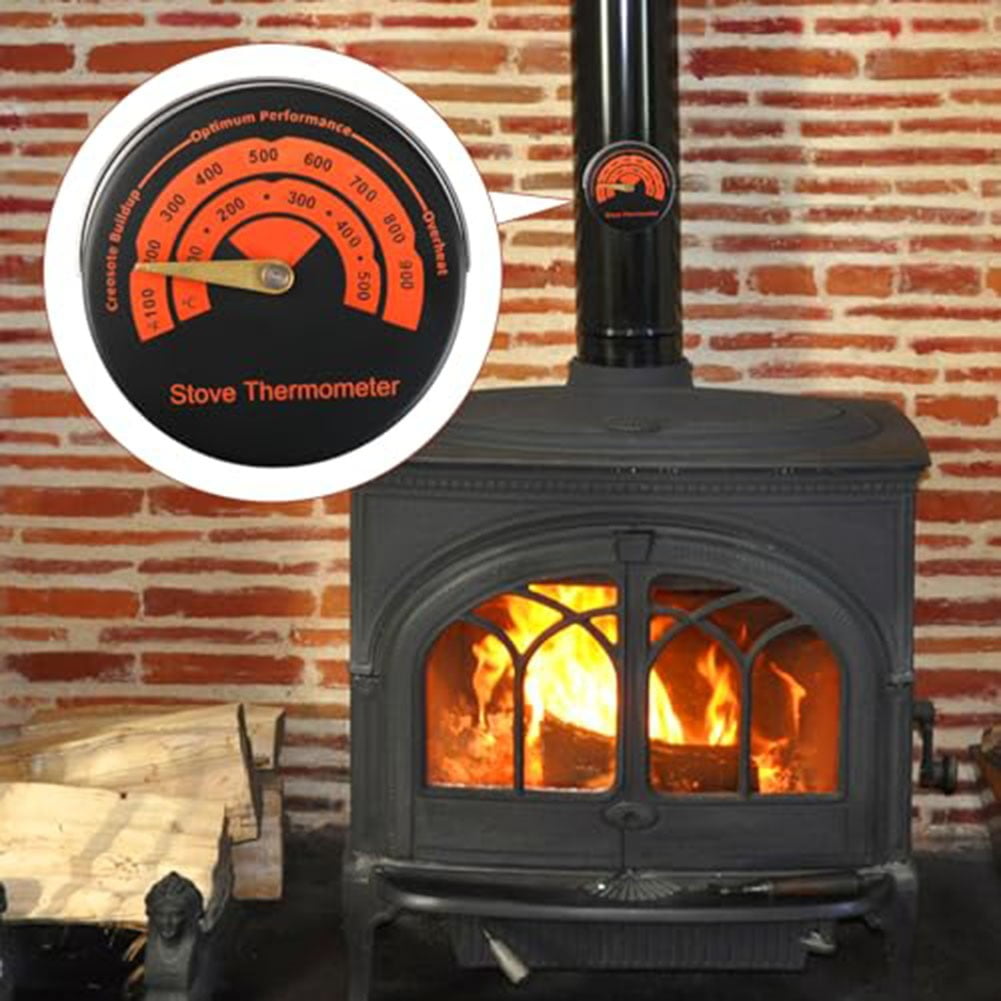
A wood burner stove thermometer is a relatively simple yet impactful instrument. It measures the temperature of the flue or the stove body, providing essential data regarding the combustion process within the stove. This thermometer typically features a magnetic backing, allowing it to easily affix to the metal surface of the stove. Some designs may even allow for readings to be taken from a distance, affording users a greater degree of flexibility and safety.
How It Works
The operation of a wood burner stove thermometer is rooted in thermodynamics. As the stove burns wood, it produces heat, which is then transferred to the thermometer. The device may be analogue or digital; however, both types rely on the principle of thermal expansion or electronic sensors to provide accurate readings. In analogue models, a bimetallic strip expands or contracts with temperature changes, moving the needle along a calibrated dial. Digital varieties use thermocouples or heat sensors to deliver precise digital readings, often displaying them in real-time on an LCD screen.
To obtain an accurate reading, it’s essential to place the thermometer correctly. Ideally, it should be attached to the upper part of the stove, where temperatures are highest but still within safe operational limits. This positioning enables the thermometer to monitor the optimal temperature range for efficient combustion.
The Importance of Proper Temperature Monitoring
Maintaining the correct temperature range in a wood burner stove is vital for numerous reasons. Firstly, it boosts efficiency. When a stove operates at an optimal temperature—typically between 150°C to 400°C—it ensures that the wood is burning effectively, converting maximum energy from the fuel. In contrast, allowing the stove to run too cool can lead to incomplete combustion, which wastes wood and produces excessive smoke and creosote, posing a fire hazard.
Moreover, a stove thermometer assists in regulating the moisture content within the stove. A temperature that is too low encourages the accumulation of unburnt gases and soot, which hampered airflow can exacerbate. Thus, a thermometer aids in achieving a balance that enhances both burn quality and air flow, resulting in a cleaner and more efficient heating process.
Different Types of Wood Burner Stove Thermometers
When considering the acquisition of a thermostat, understanding the types available can greatly influence your decision. Here, we elucidate several common varieties:
- Analogue Thermometers: These traditional models offer a straightforward and durable design. They rely on mechanical processes for temperature measurement, making them resilient in high-heat environments. Their simplicity is often accompanied by a lack of advanced features, but their reliability remains unmatched.
- Digital Thermometers: Incorporating modern technology, digital thermometers provide precise readings on an electronic display. Many digital versions feature additional functionalities, such as settings for specific types of wood or combustion modes. They often come with alarms or notifications if temperatures exceed or drop below pre-set levels.
- Flue Gas Thermometers: These specialised devices focus specifically on the flue gas temperature. Monitoring the temperature of the flue allows users to assess heat loss and efficiency more accurately. It’s instrumental in preventing dangerous creosote build-up, hence enhancing safety.
- Infrared Thermometers: For those who prefer a non-contact solution, infrared thermometers offer a modern approach. By measuring the infrared radiation emitted by the stove’s surface, users can gain insights into the temperature without ever touching the appliance. While often pricier, their versatility and ease of use justify the investment.
Benefits of Using a Wood Burner Stove Thermometer
The advantages of employing a wood burner stove thermometer extend beyond mere efficiency. Here are several compelling benefits:
- Enhanced Safety: Monitoring your stove’s temperature can prevent overheating, thereby reducing the risk of fire hazards associated with excessive fuel combustion.
- Fuel Conservation: Optimising the burn can dramatically decrease wood consumption, which translates to cost savings over time. Efficient combustion reduces the need for replenishing wood supplies frequently.
- Environmental Friendliness: A well-regulated stove emits fewer pollutants and requires less fuel, making it a more eco-conscious choice. This aligns with sustainable living practices, as it minimises the emission of carbon and other harmful substances.
- Improved Air Quality: Efficiency translates into less smoke and fewer emissions, which contributes positively to indoor and outdoor air quality alike. For households relying heavily on wood heating, this becomes particularly crucial.
In conclusion, a wood burner stove thermometer is an essential tool that amplifies the safety and efficiency of your heating system. With multiple types available, equipping yourself with the right thermometer enables better wood management, enhances safety, and fosters environmentally responsible practices. As winter approaches and temperatures drop, investing in this inexpensive yet invaluable instrument could significantly impact your wood-burning stove experience.
FAQ
What is a wood burner stove thermometer?
A wood burner stove thermometer is a device that measures the temperature of a wood-burning stove to ensure efficient and safe operation.
Why is temperature monitoring important for wood-burning stoves?
Temperature monitoring is crucial for optimizing combustion, enhancing safety, conserving fuel, and improving air quality.
What types of wood burner stove thermometers are available?
Common types include analogue, digital, flue gas, and infrared thermometers, each with unique features and benefits.



Leave a Reply