Short Answer
Crown lengthening is a dental procedure that may sound intimidating, yet it holds the promise of transforming both dental aesthetics and functionality. Whether you are considering a crown for restorative purposes or purely for cosmetic enhancements, understanding the ins and outs of crown lengthening is essential. This intricate procedure involves modifying the gum and bone tissue surrounding a tooth to expose more of its structure, thereby allowing for optimal placement and cementation of a dental crown. Discover the nuances of the procedure, anticipated costs, and the recovery process, and let’s delve deeper into this pivotal dental intervention.
Understanding Crown Lengthening
Crown lengthening is not solely reserved for cases where a crown is needed; it can also be employed in various contexts, including addressing gummy smiles, enhancing the aesthetic proportion of the front teeth, or preparing a tooth for restorative work following decay or fracture. In essence, this procedure provides dental professionals with the ability to alter the gumline and unveil additional tooth structure, allowing for the successful placement of crowns and providing a more balanced and attractive smile.
The Procedure Explained
The procedure generally begins with a comprehensive examination, including diagnostic imaging to assess the surrounding bone and tissue structures. Subsequently, the appointment is typically arranged as follows:
- Anesthesia: Local anaesthesia is administered to ensure comfort during the procedure. For those with heightened anxiety, sedation options may also be available.
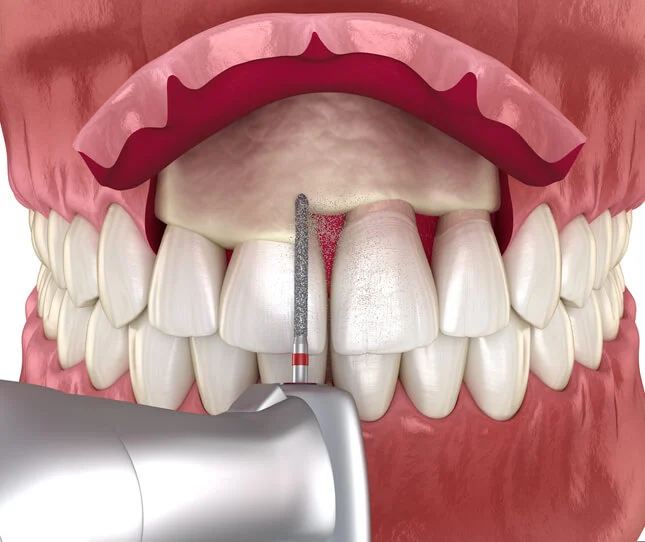
- Incision: The dentist or oral surgeon makes precise incisions in the gum tissue to expose the tooth’s underlying structure. Care is taken to remove only the necessary amount of gum tissue.
- Bone Modification: In cases where the tooth remains partially covered by bone, some bone may be contoured to provide adequate exposure. This step is crucial for optimal crown placement.
- Suturing: Once the targeted length is achieved, the gums are repositioned and sutured to promote healing.
This meticulous process typically lasts between one to two hours, depending on the complexity of the case. Despite concerns regarding pain, patients tend to experience minimal discomfort owing to advancements in anaesthesia and surgical techniques.
The Cost of Crown Lengthening
Like many dental procedures, the cost of crown lengthening varies substantially based on several factors, including geographical location, the expertise of the provider, and the specifics of the case. Generally, patients can expect to pay between £150 and £500 per tooth. Insurance coverage may play a significant role, with many dental plans offering partial reimbursement for medically necessary procedures. However, aesthetic procedures that do not address underlying dental issues may not qualify for coverage.
It is prudent to discuss potential costs upfront, as well as financing options available to ease the financial burden. Some practices may offer payment plans or partnerships with third-party financing companies. Understanding the full scope of expenses—including follow-up visits and any additional procedures—can safeguard against unexpected financial strain.
Recovery Expectations
The recovery process following a crown lengthening procedure is typically straightforward, but it does require diligence and care to ensure optimal healing. Here’s what patients can expect:
- Immediate Post-Operative Care: Patients are advised to avoid consuming hot foods and drinks during the first 24 hours. Soft foods are recommended to minimise strain on the treated area.
- Pain Management: Mild discomfort may arise, typically manageable with over-the-counter pain relief. Dentists may prescribe medication for more severe cases.
- Oral Hygiene: Maintaining proper oral hygiene is paramount; however, patients should be gentle around the surgical site. A saltwater rinse can aid in keeping the area clean post-operatively.
- Follow-Up Visits: Scheduling a follow-up appointment within a week allows the dentist to assess the healing process and remove sutures if non-dissolvable ones were used.
It is also advisable to refrain from smoking or using any tobacco products during recovery, as these can significantly impede the healing process and increase the risk of complications.
Potential Risks and Complications
While crown lengthening is generally safe, like all surgical procedures, it carries potential risks. These may include but are not limited to:
- Infection at the surgical site
- Excessive bleeding
- Delayed healing
- Changes in tooth sensitivity
It is crucial to follow the dentist’s post-operative instructions closely and report any unusual symptoms promptly to mitigate these risks effectively.
The Aesthetic Transformation
The transformation that crown lengthening can facilitate is multifaceted—not only improving the intimacy of the smile but also restoring functional integrity. With careful planning and execution, the procedure can create a foundation for beautiful dental restorations and boost a patient’s self-esteem. Imagine a smile that exudes confidence and charm, showcasing not only well-placed crowns but also a harmonious balance between teeth and gums.
In conclusion, crown lengthening is far more than a procedural necessity; it signifies a pivotal shift in oral health perspective, blending aesthetics with functionality. With informed decision-making and expert guidance, patients can embark on this journey towards achieving the smile they have always desired.
FAQ
What is crown lengthening?
Crown lengthening is a dental procedure that modifies gum and bone tissue to expose more of a tooth’s structure for optimal crown placement.
What are the costs associated with crown lengthening?
Costs typically range from £150 to £500 per tooth, depending on factors like location and provider expertise.
What is the recovery process like after crown lengthening?
Recovery is generally straightforward, requiring care such as avoiding hot foods and maintaining oral hygiene, with follow-up visits for assessment.
What are the risks of crown lengthening?
Potential risks include infection, excessive bleeding, delayed healing, and changes in tooth sensitivity.


Leave a Reply