Short Answer
World War II was a pivotal era that radically transformed numerous aspects of military culture and aesthetics, with the British Army uniform serving as a compelling embodiment of these changes. The iconic attire of the soldiers not only represents the practical requirements of warfare but also tells a narrative steeped in history, personal sacrifice, and national identity. This article delves into the intricate tapestry of the British Army uniform during World War II, exploring its historical context, the significance of its insignia, and the various adaptations made throughout the war.
The British Army, during the tumultuous years of World War II, showcased uniforms that were both a reflection of tradition and an adaptation to modern warfare. At the outset of the conflict in 1939, the standard issue battledress was designed to replace the more formal and cumbersome uniforms of the pre-war years. This evolution towards a more practical garb was necessitated by the realities of combat, which demanded flexibility, comfort, and functionality. The battledress, introduced in 1937, was made of a wool blend designed to withstand a variety of weather conditions while permitting ease of movement.
In the early stages of the war, soldiers donned this robust ensemble comprised of a tunic, trousers, and a service dress tie. The uniform itself was generally a khaki brown colour, allowing for better camouflage against the earthy landscapes of Europe and North Africa. The tunic was often worn with rank insignia on the epaulettes, a feature that not only denoted rank but also instilled a sense of order amid the chaos of war. Furthermore, there were variations within the battledress designed for different facets of the army, such as the Royal Artillery and Infantry, which further exemplified the uniform’s adaptability.
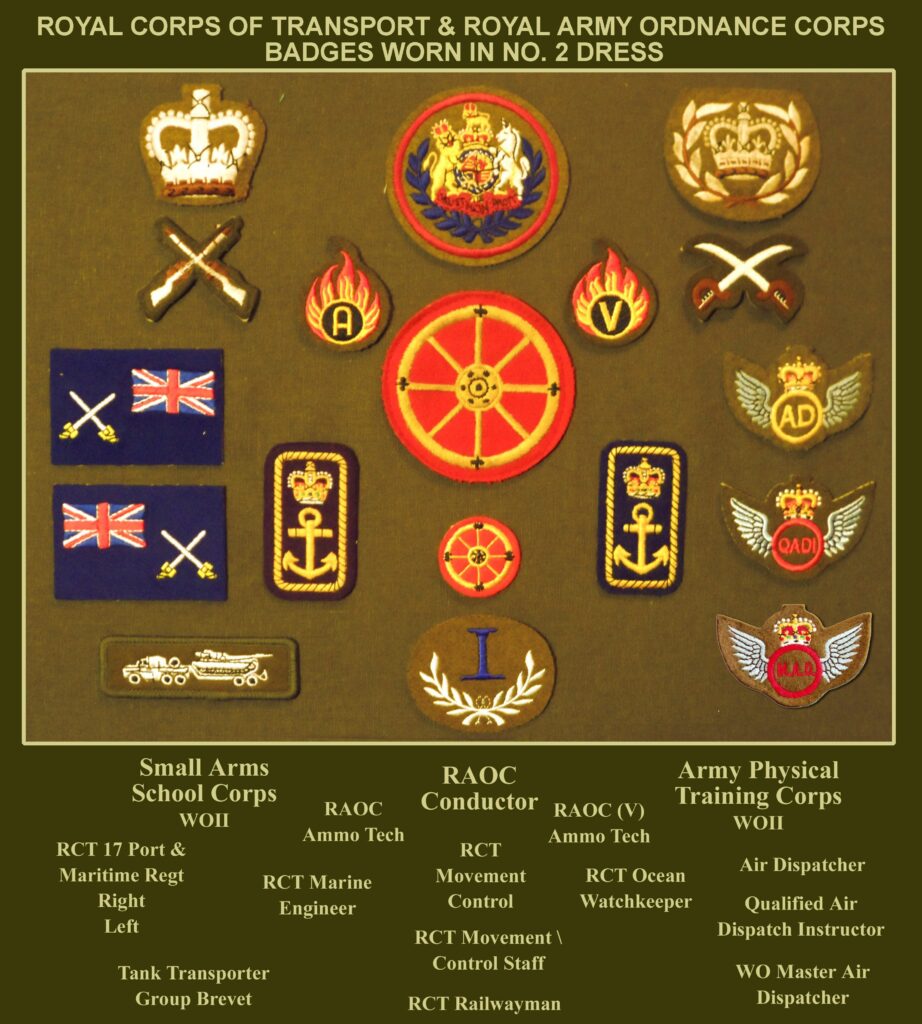
Insignia and decorations provided another layer of depth to the uniforms, serving both functional and symbolic purposes. The introduction of insignia during World War I carried forward into World War II, with each symbol embodying an aspect of the soldier’s identity, experience, and achievements. The insignia usually included the regimental badge, which represented fierce pride; it was often embroidered onto the uniform’s breast pocket. Soldiers maintained their familial and regimental ties through these personalised badges, creating a rich tapestry of identity that extended beyond mere fabric and thread.
Distinctions among ranks were conveyed not just through uniform colour but also through the complexity of insignia. Corporals wore stripes on the upper sleeves, while sergeants wore three, usually in gold or silver. The prominence of these insignia hinted at deeper social hierarchies within the military, reinforcing the beauty and paradox of discipline as both a unifying and a segregating force in wartime. Beyond rank insignia, military medals such as the Distinguished Conduct Medal or Military Cross hung proud from the chest, each decorating the soldier in displays of bravery and accomplishment.
Another fascinating feature of British Army uniforms in World War II is the adaptation to different theatres of war. Soldiers in the North African campaign donned lightweight, desert uniforms that often replaced the heavy battledress. The tropical uniform, which consisted of shorts and short-sleeved shirts, was devised to counter the scorching temperatures and ensure mobility. This practical adjustment reflected how necessity paved the way for innovation, indicating a remarkable willingness to adapt rules of engagement to suit the environment and thus enhance combat effectiveness.
Additionally, the role of women in the military during World War II cannot be overlooked. The Women’s Auxiliary Army Corps (WAAC) and the Auxiliary Territorial Service (ATS) introduced uniforms wholly separate from their male counterparts, which highlighted both the burgeoning role of women in the military and the societal shifts of the time. Their uniforms typically featured skirts instead of trousers, marking a significant deviation from traditional military attire. This sartorial choice was both a reflection of the prevailing societal norms and an opportunity for women to assert their presence in roles previously held exclusively by men.
The impact of World War II on British Army uniforms extends far beyond the era itself. The multitude of designs, colours, and insignia have left an indelible legacy on military fashion. Icons such as the Beret and the iconic ‘Commando’ uniform remain symbols of British military history, shaping how uniforms are perceived today. The enduring fascination with these uniforms represents a collective respect for the hardships faced during the war and the gallantry exhibited by the soldiers who wore them.
Today, the British Army uniform remains a subject of interest for historians, collectors, and military enthusiasts alike. Its distinct characteristics, exceptional craftsmanship, and layered meanings evoke a profound connection to the past. The uniforms tell stories of bravery and unity, of men and women who stood in the face of adversity, their insignia emblematic of both their service and their sacrifices. This exploration exemplifies why the British Army uniform from World War II continues to grip the imagination of those who seek to understand history’s intricate narratives.
Moreover, as we reflect upon the varying layers of design and significance within these uniforms, it becomes increasingly clear that they represent far more than mere fabric. They are emblematic of a generation that faced monumental challenges, navigating a world at war while wearing their identities as a badge of honour. The uniforms stand as a testament to endurance, a call to remembrance, and a reminder that, even amidst vast conflict, the essence of humanity persists.
FAQ
What materials were used for British Army uniforms during World War II?
The standard battledress was made from a wool blend designed to be durable and adaptable to various weather conditions.
How did British Army uniforms vary by theatre of war during World War II?
Uniforms were adapted to environments such as the lightweight desert uniforms for North Africa and tropical uniforms featuring shorts and short-sleeved shirts.
What was the significance of insignia on British Army uniforms?
Insignia denoted rank, regimental identity, and military achievements, serving both functional and symbolic roles within the army hierarchy.
Did women in the British military wear different uniforms during World War II?
Yes, women in units like the Women’s Auxiliary Army Corps and Auxiliary Territorial Service wore distinct uniforms often featuring skirts, reflecting societal norms and their unique roles.
Leave a Reply