Short Answer
Toothaches, often described as the unwelcome gatecrasher at the feast of life, can signal more than just a localised discomfort in the dental realm. When the dull throb morphs into a cascading wave of head pain, it’s time to delve into the depths of this comprehensive dilemma. Toothache-causing head pain is a complex interplay of dental health and neurological response, akin to a symphonic orchestra where one errant note can disrupt the entire melody of well-being. Understanding the causes, recognising the symptoms, and finding relief can transform the cacophony of discomfort into a harmonious state of relief.
Understanding the Intricate Connection Between Teeth and Head Pain
The human body operates as a sophisticated network where every part is interconnected. Tooth pain can often reverberate through this network, manifesting as head pain. Such phenomena occur because of the proximity of oral structures to cranial nerves. The trigeminal nerve, a critical pathway for sensations in the face, serves as a pivotal player in this scenario. When it perceives an irritating stimulus from an inflamed or infected tooth, it transmits signals that may interpret as pain radiating from the jaw right into the head.
Causes of Toothache Leading to Head Pain
The genesis of toothache-related head pain can be multifaceted. Here are the primary culprits:
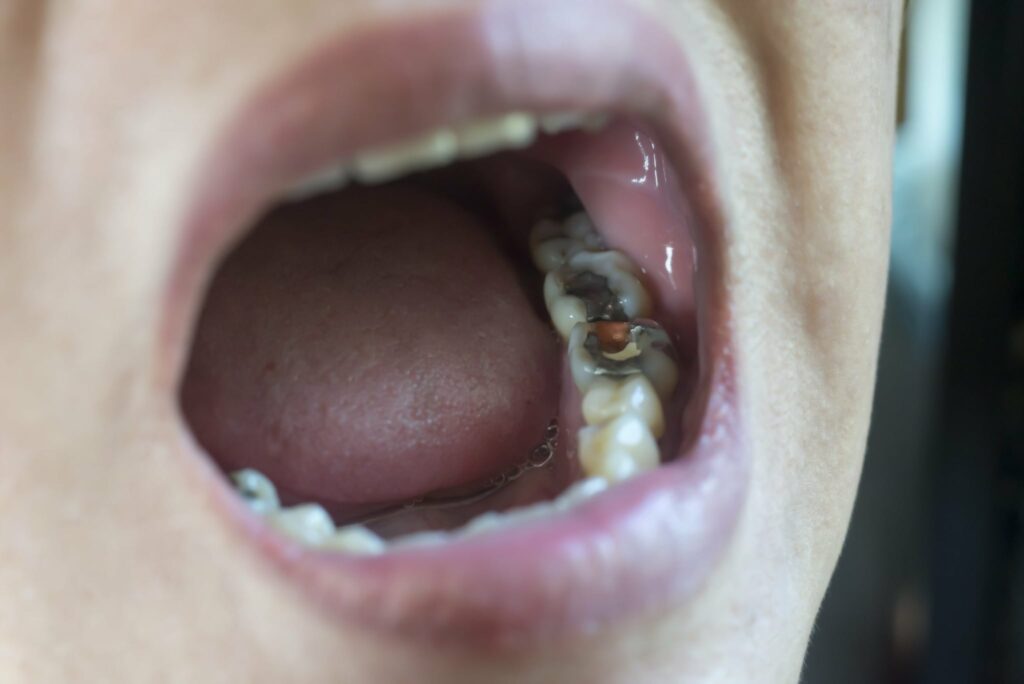
- Dental Caries: Often referred to as cavities, dental caries erode the enamel and penetrate deeper into the dentin, leading to pulpitis. This inflammation within the tooth can send excruciating pain signals through the trigeminal nerve.
- Sinusitis: The maxillary sinuses reside just above the upper teeth. When inflamed due to infection, they can apply pressure onto the roots of teeth, causing referred pain that may feel like a toothache, while also triggering headaches.
- Bruxism: It is the unconscious grinding or clenching of teeth, often occurring during sleep. This habit can cause significant tooth wear and pain, which may spiral into tension headaches and migraines.
- Periodontal Disease: Gum infections can lead to the deterioration of the supporting structures of the teeth. As these conditions worsen, the pain can propagate, affecting the head and causing discomfort.
- Dental Abscess: A collection of pus that forms due to bacterial infection can lead to intense toothache and, consequently, pervasive head pain. The body’s inflammatory response can amplify the sensation throughout the cranial region.
Identifying Symptoms beyond Tooth Pain
While the pain in the affected tooth is often the most prominent symptom, there are additional manifestations that accompany toothache-induced head pain. Recognising these signals is key to effective intervention:
- Radiating Pain: Individuals might experience pain that travels from the tooth to the side of the face, down to the neck, and sweeping across the forehead or temples.
- Headaches: Various types of headaches, including tension-type headaches or migraine-like symptoms, can occur. The intensity can fluctuate from a mild discomfort to throbbing agony that demands attention.
- Sensitivity: Increased sensitivity to hot or cold stimuli in the affected area can be a harbinger of underlying dental issues, indicating the severity of the tooth ailment.
- Swelling and Inflammation: The presence of swelling either in the gums or facial region can signal an acute condition that necessitates urgent treatment.
- Difficulty in Chewing: Pain during mastication, alongside a reluctance to open the mouth wide, can further complicate the pleasure of eating, creating a cycle of discomfort.
Paths to Relief: Alleviating Toothache Causing Head Pain
In the face of dental distress, myriad relief options beckon, some requiring professional intervention while others may be pursued at home:
- Professional Dental Care: Ultimately, consulting with a dentist is paramount. Treatments may include fillings for cavities, root canals for severe decay, or periodontal therapy for gum diseases.
- Warm Compress: Applying a warm compress to the side of the face can soothe inflamed tissues and provide temporary relief from the throbbing pain.
- Over-the-Counter Analgesics: Nonsteroidal anti-inflammatory drugs (NSAIDs) like ibuprofen may alleviate both tooth and head pain by reducing inflammation and providing pain relief.
- Saltwater Rinse: Gargling with warm salt water can aid in reducing inflammation and cleansing the mouth of bacteria, providing a modicum of relief from discomfort.
- Hydration and Rest: Staying well-hydrated and ensuring ample rest can play a crucial role in the body’s healing process, particularly when fighting infection.
In conclusion, the symphony of pain originating from a toothache can manifest in unexpected and intricate ways, affecting more than just the oral cavity. Understanding the root causes, recognising accompanying symptoms, and employing the right relief strategies can lead one from the chaos of discomfort to the serenity of health. Navigating this journey may require diligence and professional insight, but the promise of relief awaits those who seek it earnestly.
FAQ
How does a toothache lead to head pain?
Pain signals from inflamed or infected teeth can travel along the trigeminal nerve, causing referred pain in the head.
Can sinus infections cause toothache and headaches?
Yes, inflamed maxillary sinuses can press on tooth roots causing toothache and associated headaches.
Is teeth grinding related to headaches?
Bruxism, or unconscious teeth grinding, can cause tooth pain and tension headaches.
What professional treatments are available for toothache-causing head pain?
Dentists may provide fillings, root canals, periodontal therapy, or treatment for abscesses depending on the cause.


Leave a Reply