Short Answer
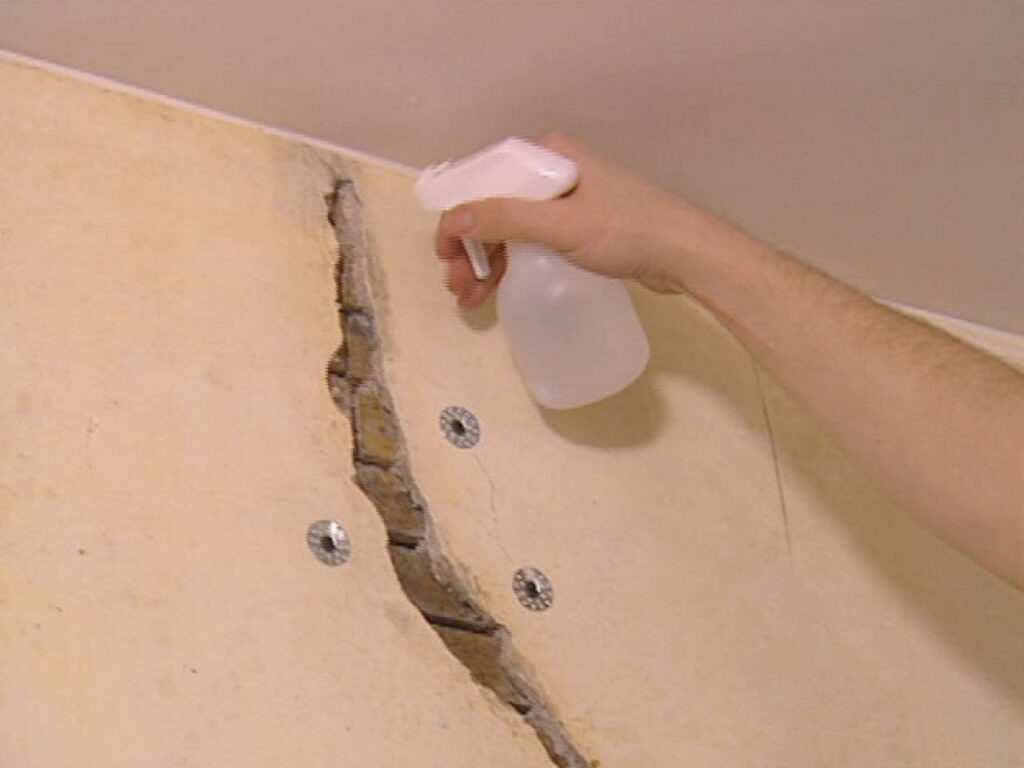
Have you ever gazed upon a beautifully adorned wall, only to notice the unsightly fissures that mar its perfection? The question remains: why does plaster crack? This conundrum not only elicits aesthetic concerns but also beckons an investigation into the fundamental issues underpinning the integrity of our interiors. Let us delve into the common causes of plaster cracking and explore viable repair solutions.
Plaster, a mixture of aggregates, water, and a binding agent, has been a staple in construction for centuries, revered for its durability and aesthetic appeal. However, even the most expertly applied plaster can show signs of wear and tear. Whether you are a homeowner, a prospective renovator, or simply a curious observer, understanding the causes of plaster cracks is crucial for effective management and restoration.
Understanding the Causes of Plaster Cracking
When addressing the vexing issue of plaster cracks, the root causes can typically be categorised into several broad themes. Here are some of the most prevalent factors that contribute to this predicament:
1. Settling and Shrinkage
One of the primary culprits of plaster cracking is the natural settling of a building. As a structure ages, various factors—such as soil erosion and climatic shifts—can cause it to shift and settle into its foundation. This slight movement generates stresses within the plaster, often resulting in unsightly cracks. Additionally, as plaster dries and cures, it undergoes shrinkage, which may also lead to the development of fissures if the plaster is not applied in an appropriate thickness.
2. Temperature Fluctuations
The ambient environment plays a significant role in the health of plaster. Extreme temperature variations can cause contraction and expansion in building materials, including plaster. When temperatures rise, the material may expand, and when they drop, it contracts. If these fluctuations are recurrent, the plaster may struggle to accommodate the stress, leading to cracks over time.
3. Moisture Problems
Exposure to moisture is another major factor in the deterioration of plaster. High humidity levels or direct water intrusion can weaken the plaster, resulting in cracks and peeling. Water can permeate the plaster, leading to efflorescence, structural weakening, and eventual failure. If you suspect moisture issues, it is paramount to address them swiftly, as neglect can exacerbate the extent of damage.
4. Inadequate Preparation
The preparation process plays a pivotal role in the durability of plaster applications. Often, cracks originate from improper preparation, which includes insufficient cleaning of surfaces, lack of bonding agents, or failure to use the correct mixture ratios. High-quality plaster requires meticulous application; otherwise, it might not adhere correctly to the substrate, leading to cracks and separation over time.
5. Excessive Load or Impact
Heavy furnishings, equipment, or even energetic activities can place undue stress on walls, particularly in commercial spaces. If the plaster is not reinforced appropriately to handle such loads, cracks can form. Furthermore, accidental impacts, such as furniture collisions, can chip away at the plaster, contributing to cracking. It is prudent to evaluate wall supports if your space experiences high activity levels.
Identifying Cracks: What to Look For
Not all cracks are created equal. The assessment of plaster damage can reveal much about underlying causes:
- Hairline Cracks: Typically indicating minor movement or shrinkage; easy to repair.
- Diagonal Cracks: May suggest serious settling issues; consider professional advice.
- Large Cracks: Often signal underlying structural problems; urgent attention is required.
Repair Solutions for Cracked Plaster
Addressing plaster cracks necessitates the right approach, tailored to the severity of the fissures. Here are innovative and effective methods to revitalise your walls:
1. For Minor Cracks
Hairline cracks can be remedied with minimal effort. Start by cleaning the crack with a wire brush to remove any loose debris. Then, use a flexible filler or plaster compound that adheres well to the existing plaster. Smoothly apply the compound to the crack, feathering the edges for a seamless finish. Once it dries, you can sand it for an even appearance and paint over it to match the surrounding area.
2. For Medium Cracks
Should you encounter diagonal or medium-sized cracks, a more robust solution is necessary. This typically involves chiselling out the damaged area until you reach the solid plaster beneath. Once cleaned, a patching plaster can be applied, ensuring that the layers are blended smoothly with the existing plaster. For durability, consider embedding a piece of mesh tape within the application.
3. For Substantial Cracks
When faced with large cracks, seeking professional assistance may be warranted. This issue often indicates significant structural movement and requires a comprehensive assessment. Experts may need to explore potential reinforcement strategies, such as evaluating the foundation or installing support braces before proceeding with substantial repairs.
Preventive Measures to Avoid Future Cracks
Preventive maintenance can save time and resources in the long run. Here are some strategies to consider:
- Monitor Humidity: Keep an eye on humidity levels in your home and invest in dehumidifiers when necessary.
- Regular Inspections: Conduct visual inspections of your plastered walls to identify early signs of cracks.
- Quality Installation: Ensure that plaster applications are performed by qualified professionals who utilise best practices.
In conclusion, cracked plaster poses more than just aesthetic issues; it can indicate significant underlying problems. By understanding the causes, learning how to identify various types of cracks, and implementing effective repair solutions, you can maintain the elegance of your interiors while safeguarding the structural integrity of your home. Embrace the challenge of tackling plaster cracks head-on, for your walls deserve nothing less than meticulous care and attention.
FAQ
What are the common causes of plaster cracks?
Common causes include settling and shrinkage, temperature fluctuations, moisture problems, inadequate preparation, and excessive load or impact.
How can I repair hairline cracks in plaster?
Hairline cracks can be repaired by cleaning the crack and applying a flexible filler or plaster compound, then sanding and painting over it.
When should I seek professional help for plaster cracks?
Professional help should be sought for large cracks or when cracks indicate serious structural issues.





Leave a Reply