Short Answer
Artificial grass has emerged as a persuasive alternative to traditional lawns, transforming dull, unyielding concrete spaces into lush, vibrant landscapes. However, one might ponder: How does one successfully blend synthetic turf with concrete without compromising aesthetics or functionality? This intriguing installation guide not only paves the way for a successful transformation but also addresses the nuances of drainage, a critical aspect that often poses a significant challenge.
Before embarking on this synthetic journey, it is vital to understand the intricacies involved in installing artificial grass on concrete. The initial step is to prepare the concrete surface meticulously. Ensuring the concrete is clean, free from debris, and devoid of any grease or oil is paramount. Any contaminants could impede the adhesion of the turf or lead to unsightly uneven surfaces. A pressure wash can be an effective method for achieving a pristine base.
Having cleared the concrete, it’s crucial to inspect it for any cracks or imperfections. Minor cracks can be filled with a concrete repair compound, while larger fissures may require professional attention. This step is crucial because even small blemishes can present challenges during the placement of artificial grass, potentially leading to unsatisfactory results.
Next, considering the right type of artificial grass is essential. The market is replete with various styles, heights, textures, and colours to suit distinct aesthetics and practical needs. When choosing, opt for grass with a suitable pile height—generally 30-40mm is preferred for a realistic look. Moreover, ensure that the grass is UV resistant to prolong its vibrancy in sun-exposed areas.
Once the concrete surface is prepped and the turf selected, the installation process commences. It is advisable to lay the artificial grass in a methodical manner, starting from one side of the area and working towards the other. This approach not only promotes a seamless finish but also facilitates easier adjustments as needed.
At this juncture, one might wonder how to secure the artificial grass onto the concrete. Adhesive agents designed specifically for synthetic turf can be employed. Spread the adhesive evenly over the prepared surface, ensuring full coverage where the grass will be installed. Subsequently, roll out the artificial grass onto the adhesive while taking care to ensure it lays flat without bumps or folds.
An often-overlooked aspect of installing artificial grass on concrete is drainage. Artificial grass can trap water if proper drainage measures are not implemented, leading to unsightly puddles and potential mould growth. Given that concrete surfaces lack the inherent drainage capabilities of soil, it is critical to consider incorporating drainage solutions during the installation.
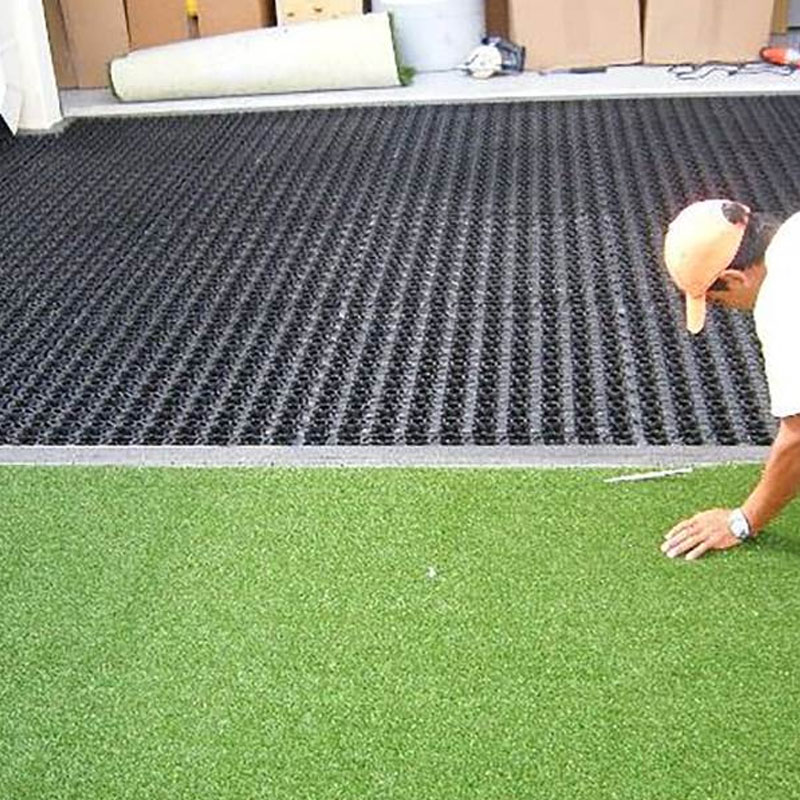
For effective drainage, selecting a grass product that incorporates perforations or drainage holes is advisable. These features allow rainfall or excess water to evaporate or seep away instead of accumulating atop the turf. It may also be wise to lay down a layer of drainage mesh beneath the grass. This mesh facilitates excess water movement while providing an additional layer of resilience and cushioning.
One might also contemplate using a layer of crushed rock or gravel as a foundational substrate. If opting for this method, ensure that the layer is uniform and compact before laying the synthetic turf over it. This setup not only aids in proper drainage but also stabilises the grass, preventing it from shifting over time.
Moreover, introducing a slight gradient to the installation area is a clever strategy. This gradient directs pooled water away from the vicinity, ensuring that the turf remains dry and manageable. A slope of about 1-2% is generally sufficient to divert excess water while maintaining an aesthetically pleasing landscape.
Post-installation, the initial upkeep is vital in maintaining both the appearance and functionality of artificial grass on concrete. Regular cleaning is essential; while artificial grass is designed to resist staining, dirt and debris can accumulate over time. A simple brush with a stiff-bristle broom can return the grass fibres to an upright position, enhancing its lifelike appearance.
For more profound cleaning, consider utilising a mixture of water and mild detergent, applied with a soft brush and rinsed thoroughly. It is also advisable to remove organic debris—leaves, twigs, and the like—to prevent mould growth, particularly in damp climates.
Furthermore, periodic checks on drainage solutions will help ascertain that they remain effective. Blockages can occur, and promptly addressing these ensures the longevity and practicality of the installation. Simple maintenance checks can prevent significant issues, including water accumulation and associated damage to the artificial grass.
In addition to maintenance, consideration of the surrounding environment can impact the performance of artificial grass. People often underestimate factors like intense sunlight, which can fade colours over time. To mitigate this, consider using landscaping elements such as shade plants or trellises if situated near trees or structures that offer partial coverage.
In conclusion, installing artificial grass on concrete presents an enticing opportunity to revitalise space with minimal upkeep. However, the nuances of proper installation and drainage cannot be overlooked. By meticulously preparing the concrete, selecting the appropriate grass, and incorporating effective drainage measures, one can create a stunning green oasis that defies the inherent sterility of concrete. Now, with the right approach and attention to detail, how will you transform your mundane concrete into a flourishing landscape?
FAQ
Is it necessary to repair cracks in concrete before installing artificial grass?
Yes, repairing cracks is important to ensure a smooth surface and prevent uneven turf placement.
What is the recommended pile height for artificial grass on concrete?
A pile height of 30-40mm is generally preferred to achieve a realistic appearance.
Why is drainage critical when installing artificial grass on concrete?
Because concrete does not absorb water, proper drainage prevents water accumulation, puddles, and mold growth.

Leave a Reply