Short Answer
Many homeowners cherish their conservatories as sanctuaries, beacons of light where one can commune with nature without setting foot outside. However, the persistent chill that often invades these glass structures can transform what should be a respite into a frosty ordeal. Despite its beauty, making a conservatory warmer poses both a challenge and an opportunity for creativity. Let us delve into an extensive exploration of insulation and heating solutions that can transform your conservatory into a year-round haven of comfort.
1. Insulation: The First Line of Defence
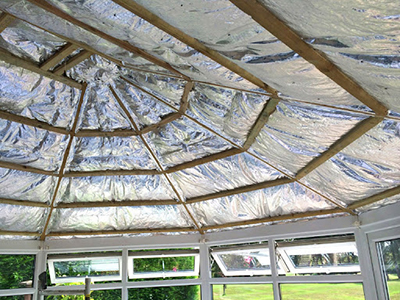
To embark on the journey of warming your conservatory, one must first consider the pivotal role of insulation. Adequate insulation not only combats the cold but also retains warmth during those brisk winter evenings. Commonly overlooked, ceiling insulation plays an instrumental role compared to its counterpart, wall insulation.
Investing in materials such as foam boards or insulated panels can significantly enhance thermal performance. Furthermore, reflective foil insulation reflects heat back into the space rather than letting it escape, offering an additional layer of protection against the elements. It is also worthwhile to inspect the frames and sealants, as poorly insulated joints can become conduits for draughts, effectively rendering insulation efforts moot.
2. Windows: Enter the World of Double Glazing
It is astute to acknowledge that windows are the largest surfaces in a conservatory and thus require special attention. Single-glazed windows, while aesthetically pleasing, contribute to considerable heat loss. Opting for double or even triple glazing significantly mitigates this issue due to the trapped air between panes that acts as a thermal barrier.
For those unwilling or unable to replace glass, window films that create a thermal barrier can be applied as a cost-effective alternative. These films can help to reduce heat loss while also offering protection against harmful UV rays, thereby preserving indoor furnishings from fading.
3. Flooring Solutions: The Foundation of Comfort
A conservatory’s flooring can also impact its thermal dynamics. Traditional tile and concrete can absorb cold and relinquish it back into the room. Therefore, consider underfloor heating as an effective solution, providing an even spread of warmth that combats the cold rising from the ground. Whether electric or water-based, underfloor heating can be installed under a range of flooring types, including hardwood and laminate, making it a versatile choice for added comfort.
If a full installation seems daunting, luxurious area rugs can provide immediate relief, offering a soft buffer against cold tiles while contributing to the aesthetic of the conservatory.
4. Heating Systems: Embracing Technology
While insulation is crucial, a robust heating system can supercharge the efforts to create a warm oasis. Radiant heaters, for instance, provide warmth without taking up precious floor space, and can be mounted on walls or ceilings. These heaters operate quietly, distributing heat uniformly throughout the space.
Another modern option is the use of electric wall-mounted heaters, which give homeowners the flexibility to heat the conservatory selectively and on-demand. Not only do they come in a variety of styles to complement any décor, but many models offer programmable settings for optimum efficiency.
5. The Power of Conservatory Blinds
Sunglasses are not the only shielding solution for sun-soaked spaces; conservatory blinds are a perfect partner in regulating temperature. Available in various styles and materials, these blinds serve a dual purpose—they keep excessive heat out during the summer and assist in heat retention during the winter. Thermal-lined or cellular blinds are specifically designed to insulate and can dramatically improve energy efficiency within the room.
For those enthusiastic about embracing the seasons, blackout blinds can provide complete darkness on those sunny days, thus maintaining a more stable temperature while fostering a sense of serenity.
6. Ventilation: The Balance of Fresh Air and Warmth
Introducing warm air into a conservatory without proper ventilation can lead to condensation and dampness, which may compromise the structural integrity of the space. Strategic ventilation solutions must be considered to maintain air quality and comfort. Roof vents, which can be manually or electrically operated, play a vital role in allowing hot air to escape, mitigating the risk of overheating while preserving warmth during colder months.
To enhance air circulation, the installation of ceiling fans can also be advantageous. These fans can be set to a reverse function during winter, pushing warm air that accumulates near the ceiling downwards, thus fostering an even temperature distribution.
7. Embracing Alternative Energy Sources
As the global consciousness shifts towards sustainability, alternatives such as solar panels offer a way to power heating solutions while championing green energy. Solar panels installed on the roof can generate the energy needed to power electric heating systems, providing a cost-effective and environmentally friendly measure for heating your conservatory.
Moreover, incorporating some form of biomass heating, such as a wood-burning stove or a bioethanol fire, can provide an outdoor ambiance alongside warmth, creating a visually appealing environment during winter months.
In conclusion, transforming a conservatory from a chilly gathering space into a warm and inviting sanctuary requires a multifaceted approach. By implementing strategic insulation, opting for advanced window technologies, incorporating effective heating systems, and ensuring proper ventilation, the conservatory can become a delightful extension of the home, enjoyed all year round. Should one choose to embrace innovative techniques like underfloor heating or solar solutions, the potential to enjoy this space as a tranquil retreat is not only achievable, but also immensely rewarding. Embrace the charm of your conservatory and let it serve as a cocoon of comfort amidst the changing seasons.
FAQ
What are the best insulation materials for a conservatory?
Foam boards, insulated panels, and reflective foil insulation are among the most effective materials for improving thermal performance in conservatories.
How can I reduce heat loss through conservatory windows?
Replacing single-glazed windows with double or triple glazing significantly reduces heat loss. Alternatively, applying window films can provide a thermal barrier.
Is underfloor heating a good option for conservatories?
Yes, underfloor heating is an effective solution that provides even warmth and can be installed under various flooring types.

Leave a Reply