Short Answer
When it comes to the realm of power storage, the 12-volt battery reigns supreme in versatility, convenience, and capability. Understanding the various facets of 12-volt batteries—from their types and capacities to their multifaceted uses—unlocks a whole new world of potential applications. As more devices evolve to require less energy while providing more power, the role of the 12-volt battery has gained unprecedented significance. This guide will delve deeply into these batteries, elucidating their nuances and revealing common applications that may surprise you.
1. The Anatomy of a 12-Volt Battery
At the heart of every 12-volt battery lies a series of interconnected cells, each producing roughly 2.1 volts. The standard lead-acid battery, constructed from lead dioxide and sponge lead, has become synonymous with durability and reliability. However, advancements in technology have birthed an array of alternatives, each with unique chemistries and features. Understanding the basic construction will help one grasp the functionality of each battery type.
2. Common Types of 12-Volt Batteries

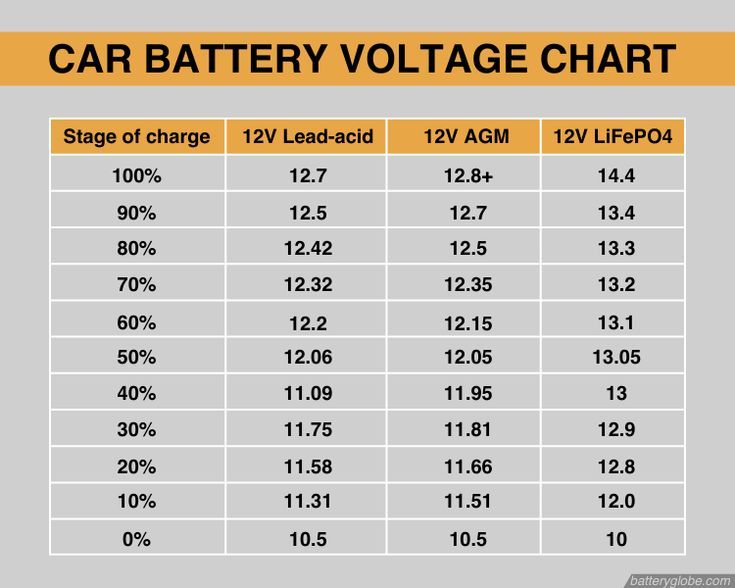
The diversity among 12-volt batteries is astounding. The most prevalent varieties include:
- Lead-Acid Batteries: Available in flooded, AGM (Absorbent Glass Mat), and gel configurations. Lead-acid batteries are the stalwarts of the industry, renowned for their robustness and cost-effectiveness.
- Lithium-Ion Batteries: These are the new kids on the block, offering lightweight designs and extraordinary energy densities. Their ability to handle deep cycles makes them increasingly popular in renewable energy systems.
- Nickel-Cadmium (NiCd) Batteries: Though gradually waning in popularity due to environmental concerns, NiCd batteries still shine in applications requiring high discharge rates.
- Nickel-Metal Hydride (NiMH) Batteries: While primarily used for hybrid vehicles, NiMH batteries are also finding niche applications in portable electronics and electric vehicles.
3. Understanding Battery Capacity
Battery capacity is measured in amp-hours (Ah) and indicates how much energy a battery can store and deliver over time. It’s a vital metric when considering a battery for any application. For instance, a 100 Ah battery can theoretically provide 100 amps for one hour or 10 amps for ten hours. However, efficiency diminishes with high discharge rates, particularly in lead-acid batteries, requiring careful consideration when predicting run times.
4. Capacity Ratings: What’s in a Number?
The capacity rating can vary wildly depending on the battery type and intended use. For example, a deep-cycle lead-acid battery is designed for repeated discharges to a low state of charge, while a cranking battery is built to deliver a quick burst of power for starting engines. Understanding these distinctions not only helps in choosing the right battery but also plays a pivotal role in enhancing longevity and performance.
5. The Charge Cycle: Lifespan Insights
The lifespan of a 12-volt battery constitutes an amalgamation of its chemistry and usage patterns. Most lead-acid batteries boast a lifespan of around 3 to 5 years, while lithium-ion counterparts can easily surpass the 10-year mark under optimal conditions. Recognising how often and how deep you discharge your battery is essential. For instance, lead-acid batteries prefer shallow cycles—frequent, minimal usage can keep them happier in the long run.
6. Practical Applications of 12-Volt Batteries
The realm of 12-volt batteries is expansive and diverse. Here are some of the most prominent applications:
- Automotive Sector: 12-volt batteries are ubiquitous in cars and motorcycles, powering everything from the ignition to infotainment systems.
- Marine Energy: 12-volt batteries are essential for boats, providing backup power for navigation and communication systems.
- Camping and RVs: Portable power has revolutionised the way we experience outdoor adventures, allowing for comfortable living spaces powered by 12-volt systems.
- Renewable Energy Storage: In solar setups, 12-volt batteries play a crucial role by storing excess energy for later use, effectively transforming how we harness natural resources.
- Emergency Backup Power: Many homes utilise 12-volt batteries in UPS (Uninterruptible Power Supply) systems to ensure continuity during electrical outages.
7. Connecting Batteries: Series vs Parallel
When configuring multiple batteries, understanding the difference between series and parallel connections is imperative. Connecting batteries in series increases voltage while maintaining the same capacity, whereas parallel connections maintain voltage but increase capacity. This knowledge equips users to create customised battery systems tailored to specific needs.
8. Factors Influencing Battery Selection
Choosing the ideal 12-volt battery isn’t just about capacity or cost. Several key factors should also influence your decision, including weight, discharge rate, environmental conditions, and intended application. A weight-conscious user may favour lithium-ion options in portable scenarios, while another seeking steadfast reliability might lean towards lead-acid batteries for static applications.
9. Maintenance Matters
Regardless of battery type, maintenance plays a crucial role in longevity. For lead-acid batteries, regular checks of fluid levels and terminal connections can prevent premature deterioration. Lithium-ion batteries could benefit from occasional monitoring of their charge levels to avoid deep discharges. Understanding the maintenance needs specific to your battery can be a game-changer.
10. Advances in Battery Technology
The future of 12-volt batteries is brimming with promise. Emerging technologies promise higher efficiencies, faster charging, and even greater longevity. Research into solid-state batteries, for instance, spells potential breakthroughs that could redefine power storage. Keeping abreast of advancements may just allow users to optimise their applications further.
11. A Sustainable Future
As society becomes increasingly environmentally conscious, the focus on sustainable battery options grows. Many manufacturers now employ greener methods of production and recycling, generating a new paradigm in battery use. Transitioning to eco-friendlier batteries not only reduces waste but also empowers individuals to contribute to a healthier planet.
12. Conclusion: Empowering Your Choices
The comprehensive knowledge surrounding 12-volt batteries empowers users to make informed decisions. Whether ideal for automotive needs, leisure, or renewable applications, the right battery can significantly enhance efficiency and performance. By exploring the myriad types, capacities, and usages, you’re not merely selecting a battery; you’re embracing a future of possibilities, igniting curiosity, and assuring that every powered moment resonates with both reliability and excitement.
FAQ
What are the main types of 12-volt batteries?
The main types of 12-volt batteries include lead-acid batteries, lithium-ion batteries, nickel-cadmium batteries, and nickel-metal hydride batteries.
How is battery capacity measured?
Battery capacity is measured in amp-hours (Ah), indicating how much energy a battery can store and deliver over time.
What factors should influence battery selection?
Factors include capacity, weight, discharge rate, environmental conditions, and intended applications.


Leave a Reply