Short Answer
Shoe boxes are ubiquitous in the world of footwear, yet they often remain an overlooked element in the intricate ballet of consumerism. These humble containers serve not only a utilitarian purpose but also play a pivotal role in the marketing and presentation of shoes. Understanding the dimensions of these boxes can lead to a deeper appreciation of the artistry involved in both design and packaging. Let’s delve into the standard measurements and the intriguing nuances of shoe box size dimensions.
The Standard Shoe Box Size
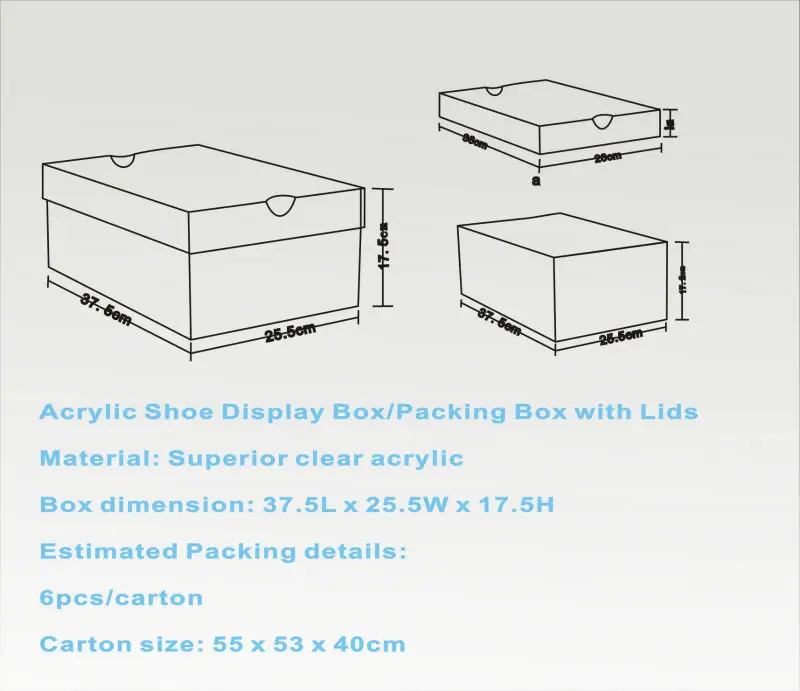
While shoe sizes can vary significantly — from dainty slippers to hulking boots — the shoe box dimensions have settled into a relatively standardised format. On average, a traditional shoe box measures approximately 33 cm (length) x 22 cm (width) x 12 cm (height). These dimensions allow room for a single pair of shoes, cushioned by packaging materials, without compromising the overall aesthetics of the box.
However, as shoes transcend mere functionality and become fashion statements, the dimensions can vary. High-end designer boxes might be larger for visual impact, whereas minimalist brands might opt for more compact sizes to emphasise their sleek design ethos. Understanding these variations invites curiosity about the broader implications of such choices.
Diversity in Sizes for Different Shoe Types
Not all shoes fit comfortably within the confines of a standard box size. Athletic shoes, for instance, often require more space due to their bulky designs, thus prompting manufacturers to adjust the dimensions accordingly. A typical athletic shoe box may expand to approximately 35 cm x 25 cm x 15 cm, accommodating additional padding or orthotic inserts that enhance performance.
Conversely, elegant heels or fashion-specific footwear tend to favour a more tapered aesthetic. The dimensions of boxes for these types commonly range around 30 cm x 20 cm x 10 cm. This strategic scaling not only serves to cradle the delicate form of the shoes but also sharpens the overall visual presentation, evoking a sense of exclusivity that resonates with consumers.
Regional Variations in Shoe Box Dimensions
As we traverse borders, it becomes evident that shoe box dimensions aren’t universally applicable. Regional preferences and standardisation vary significantly. For instance, North America generally prefers larger box sizes compared to Europe or Asia. This could be due to cultural trends that favour a more pronounced packaging presentation, appealing to consumers who associate size with value.
Moreover, the eclectic global nature of fashion has encouraged brands to plan for diverse markets. A shoe box designed for the European market might be slimmer, ideally suited for public transportation and smaller living spaces. In contrast, a box made for the North American consumer may exhibit sturdier construction and grander dimensions to accommodate larger retail displays.
The Environmental Considerations
In this age of conscientious consumerism, the environmental footprint of packaging materials is ever under scrutiny. Brands are increasingly rethinking their shoe box sizes and materials, opting for eco-friendly alternatives that echo their commitment to sustainability. Reducing box dimensions can diminish wasted space and materials, leading to a smaller carbon footprint. This shift not only reflects an evolving market dynamic but also provokes the curiosity of those devoted to eco-conscious choices.
Additionally, some innovative companies have begun to adopt collapsible or modular box designs. These designs permit customers to transport their new footwear home with ease while conserving space. This ingenious adaptation of shoe box dimensions invites dialogue about function, aesthetics, and responsible consumer behaviour, challenging traditional notions of what a shoe box should be.
Benefits of Understanding Shoe Box Sizes
Grasping the diverse dimensions of shoe boxes transcends mere curiosity. For retailers, accurate knowledge aids in inventory management and optimising shelf space. A well-sized box that fits seamlessly on display ensures that products remain visible and appealing, effectively capturing the consumer’s attention.
For consumers, understanding shoe box dimensions can guide purchasing decisions. If a customer is exploring options for storage solutions, knowing that athletic shoes require a more spacious box can inform their choices. It could also influence gifting strategies, as larger boxes may signal a more substantial gift, leading to a more impactful presentation.
The Future of Shoe Box Dimensions
As we look toward the future, the evolution of shoe box sizes suggests ongoing innovation. Brands are increasingly experimenting with unconventional materials and designs to evoke curiosity and excitement. Bespoke and niche market brands champion unique dimensions that reflect their identity, allowing for deeper connections with customers who appreciate artisanal craftsmanship.
It is conceivable that the future of shoe box dimensions will embrace smart technology. Imagine a box that adjusts its size and design based on the type of shoe it contains. This melding of technology and packaging innovations piques the imagination and suggests a dynamic shift in the industry, revealing endless possibilities.
Conclusion: A Reflection on the Simple Shoe Box
In conclusion, while the world might initially perceive the humble shoe box as just that — a simple container — it embodies a complexity worth exploring. From standard sizes to regional variations, the dimensions of a shoe box tell a larger story about cultural preferences, sustainability, and the future of consumerism. By understanding these dimensions, one not only unravels the intricacies of design and function but also partakes in a larger conversation about value, perception, and the subtle artistry that surrounds even the most unassuming items.
FAQ
What are standard shoe box dimensions?
The average dimensions for a traditional shoe box are approximately 33 cm (length) x 22 cm (width) x 12 cm (height).
Do shoe box sizes vary by shoe type?
Yes, athletic shoes typically require larger boxes, averaging about 35 cm x 25 cm x 15 cm, while elegant heels may have smaller dimensions.
Are shoe box dimensions consistent worldwide?
No, shoe box sizes can vary regionally, with North American boxes generally being larger than those in Europe or Asia.




Leave a Reply