Short Answer
Scars can be a persistent reminder of injuries or surgeries, often leading individuals to seek methods for alleviating their appearance. However, the quest for scar reduction is not merely about aesthetics; it can significantly impact confidence and emotional well-being. Understanding how to approach scar treatment safely and effectively can transform your perspective—nurturing hope and fostering an enriched self-image. Herein lies a detailed examination of various techniques and treatments that promise to reduce the visibility of scars.
1. Embracing Scar Massage Techniques
One of the foundational techniques for scar management involves gentle massage. This process not only promotes circulation but also aids in breaking down the fibrous tissue that characterises scars. Ideally, massaging should commence as soon as the wound has healed—typically six weeks post-injury. Use a mild lotion or oil to facilitate smoother movements; your fingertips should roam freely over the scar and surrounding tissues.
Research suggests that consistent massage, even for just 10-15 minutes a day, can greatly diminish scar tissue density over time. Seek to employ circular motions, alternating between light pressure and deeper strokes to stimulate the area. Notably, this practice can enhance flexibility in the skin, preventing the scar from becoming rigid.
2. The Power of Moisturisers
A hydrated scar tends to blend more seamlessly with the surrounding skin. Emphasizing moisturisation can significantly aid in minimising the visibility of scars. While there are myriad products available, look for those rich in natural oils such as vitamin E, aloe vera, or cocoa butter. These ingredients not only hydrate the skin but also promote cellular regeneration.
Applying moisturisers should become an integral part of your daily skincare routine, especially following any injury. Frequent reapplication ensures that the skin remains supple, leading to reduced itching and discomfort, which are often associated with dry, healing scars.
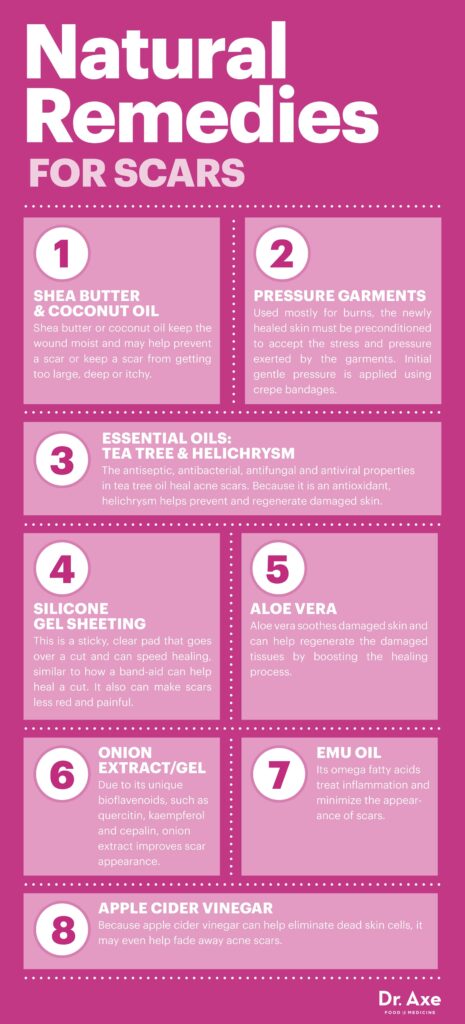
3. Silicone Gel Sheets and Creams
Silicone-based treatments have garnered attention in the medical community for their efficacy in scar reduction. Both silicone gel sheets and silicone creams work by creating a moist environment that facilitates healing while flattening the scar over time. Applying these products consistently produces impressive results, often recommended for use over several weeks to months.
Positioning these sheets directly on the scar can also be beneficial. They exert gentle pressure on the scar tissue, which aids in the flattening process while preventing excess collagen formation—an often-overlooked contributor to raised scars.
4. Sun Protection Strategies
Scar tissue is particularly susceptible to hyperpigmentation, especially when exposed to sunlight. Protecting your scars from UV rays is paramount. Employing a broad-spectrum sunscreen with an SPF of at least 30 can shield the affected area and help maintain an even skin tone.
Consider reapplying your sunscreen every two hours when outside. In conjunction with sunscreen, wearing protective clothing, such as hats and long sleeves, provides an additional layer of defence against harmful rays, thus preserving the scar’s appearance.
5. Exploring Natural Remedies
The journey to effective scar management can lead one towards the exploration of natural remedies. Essential oils, such as lavender or tea tree oil, have emerged as popular alternatives due to their purported healing properties. These oils possess anti-inflammatory and antibacterial qualities, which can assist in the healing process.
When using essential oils, it is advisable to dilute them with a carrier oil—coconut or jojoba oil works well. Test for sensitivity on a small patch of skin before widespread application to avoid adverse reactions. Nature’s remedies can be a powerful adjunct to traditional treatments, often yielding impressive results.
6. Advanced Treatment Options
For more stubborn scars, particularly those that are hypertrophic or keloid in nature, consider consulting a dermatologist for advanced treatment options. Techniques such as laser therapy, chemical peels, and microdermabrasion offer significant enhancements in the appearance of scars. These methods work by stimulating collagen and elastin production, resulting in smoother skin texture and tone.
Laser treatments, though often perceived as daunting, are relatively non-invasive. They target the scarred area, encouraging healthy skin regeneration. Furthermore, dermatologists may recommend corticosteroid injections to flatten raised scars or even minor surgical procedures to remove significant scar tissue.
7. The Role of Patient Patience
Perhaps one of the most critical aspects of scar management is understanding the value of patience. Scar maturation can take several months to years. During this period, minor fluctuations in appearance are typical. Recognising this journey can alleviate some of the anxiety that accompanies visible scars.
Monitoring your progress with photographs can also instil a sense of accomplishment as you witness gradual improvements. Celebrate small victories along the way, remembering that every journey is uniquely personal.
Conclusion
Reducing the appearance of scars safely and effectively necessitates a multifaceted approach. From simple home remedies and moisturising techniques to advanced medical interventions, an array of options exists—each with the potential to rejuvenate both the skin and self-esteem. By nurturing a proactive attitude and remaining committed to a consistent routine, the journey towards clearer skin can be a transformative experience. With patience, persistence, and the right information, lessening the visibility of scars is indeed achievable.
FAQ
What are the best methods for reducing scars?
Effective methods include scar massage, the use of moisturizers, silicone gel sheets, sun protection, and consulting a dermatologist for advanced treatments.
How long does it take for scars to fade?
Scar maturation can take several months to years, and patience is essential during this process.


Leave a Reply